
Trees
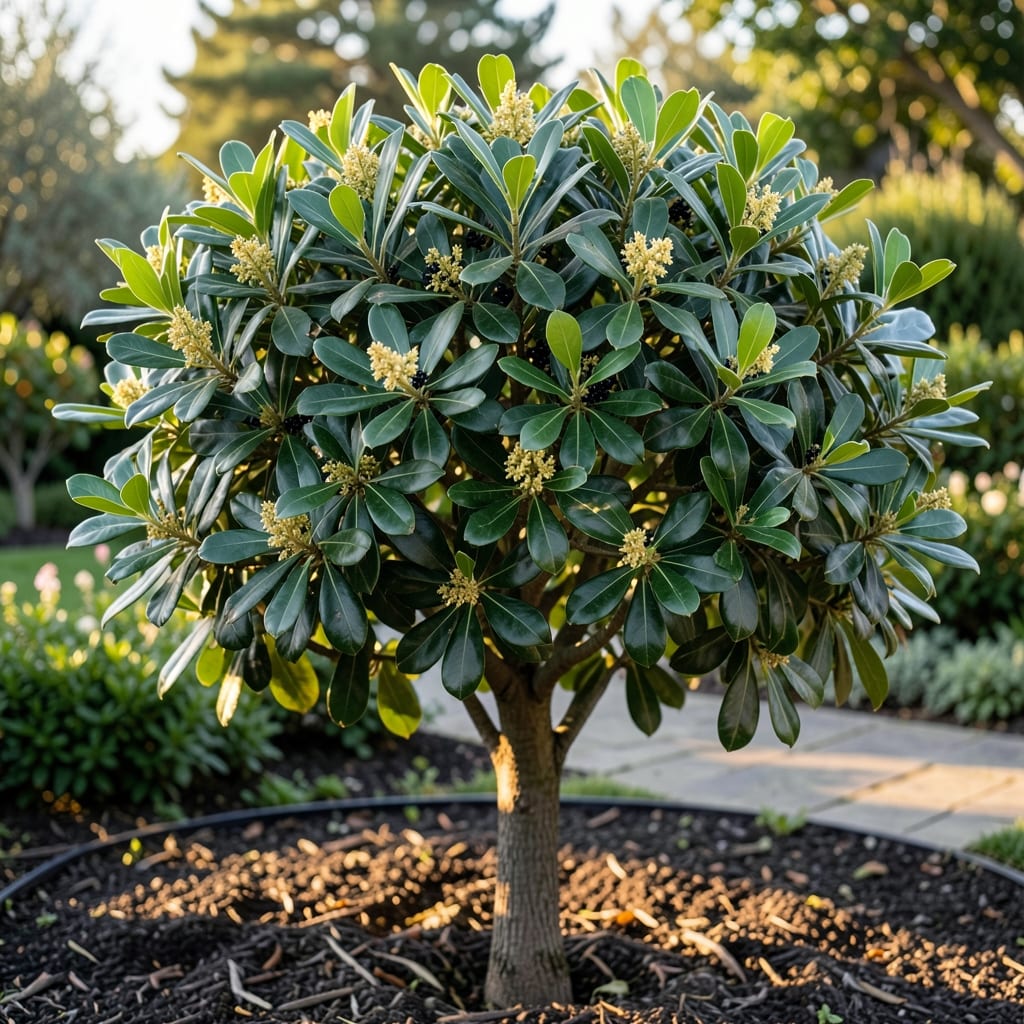
If you’ve ever wondered how tall do bay leaf trees grow, you’re not alone—this question can make or break your gardening plans. The 🌿 Bay Laurel Tree (Laurus nobilis) surprises many with its dramatic height range, from compact 3-foot dwarf varieties to towering 40-foot giants in ideal conditions. Whether you’re dreaming of a kitchen herb garden or a privacy screen, understanding these growth patterns is key to choosing the right variety for your space.
Most gardeners assume bay leaf trees stay small, but without proper care, they can quickly outgrow their welcome. In USDA Zone 6a, where spring planting is ideal, standard varieties typically reach 10-20 feet within a few years, while unpruned trees can stretch toward the sky. The secret to controlling their height lies in pruning techniques and container choices—both of which we’ll cover to help you keep your tree at your desired size.
For those with limited space, dwarf varieties like Nana stay under 6 feet, making them perfect for containers or small yards. But even these need attention—neglecting pruning can lead to leggy growth, while over-pruning reduces leaf production. We’ll break down the best practices to maintain a healthy, manageable tree that still delivers year-round harvests of aromatic leaves.
Ready to grow a bay leaf tree that fits your space? Let’s explore the height ranges, care tips, and pruning secrets that’ll keep your 🌿 Bay Laurel Tree thriving—no matter how tall (or short) you want it to be.


Bay leaf tree height by variety: from dwarf to giant sizes
Bay leaf trees (Laurus nobilis) are famous for their aromatic leaves, but their mature height can surprise even experienced gardeners. The standard variety can reach 20 to 40 feet tall in ideal conditions, making it a small tree rather than a shrub. However, the height varies dramatically depending on the variety, growing conditions, and pruning habits.
If you're dreaming of a bay leaf tree that fits your kitchen counter, you'll want to focus on dwarf varieties like Nana, which typically stay under 3 to 5 feet tall. These compact types are perfect for containers and indoor growing. On the other end of the spectrum, unpruned standard bay trees can grow taller than a three-story building in optimal climates.
Here’s how different varieties compare in terms of height, along with their ideal growing conditions:
Climate plays a huge role in determining how tall your bay leaf tree will grow. In USDA Zones 8–10, where winters are mild, bay trees thrive and can reach their maximum height. In cooler zones like Zone 7 or below, growth slows significantly, often capping mature height at 10–15 feet unless heavily protected.
Soil quality also impacts growth. Bay trees prefer well-draining, slightly acidic soil (pH 6.0–7.0). Poor drainage or compacted soil can stunt growth, while rich, loamy soil encourages faster and taller growth. If you're growing in containers, choose pots at least 18–24 inches wide to accommodate root expansion and support healthy height development.
Light exposure is another critical factor. While bay trees tolerate partial shade, they grow fastest and tallest in full sun (6+ hours daily). In low-light conditions, expect slower growth and a more compact shape. For indoor bay trees, place them near an east-facing window to maximize light without risking leaf scorch.
Pruning isn’t just about controlling height—it’s also about encouraging bushier growth and better leaf production. Regular pruning can reduce a standard bay tree’s height by 30–50% if done consistently. I’ll cover pruning techniques in detail in the next section, but for now, remember: prune in late winter or early spring to avoid stressing the tree during active growth.
One common misconception is that bay trees grow quickly. In reality, they’re slow to moderate growers, adding only 1–2 feet per year under ideal conditions. Patience is key—especially if you’re waiting for a dwarf variety to reach its full height.
If you’re planning to grow a bay tree for its leaves (like I do for cooking), focus on varieties with dense foliage, such as Aurea or Intermedia. These types produce abundant leaves even at smaller heights, making them practical for both culinary and ornamental use.
How to control bay leaf tree height: pruning and care tips
Controlling the height of your bay leaf tree isn’t just about aesthetics—it’s about maximizing leaf production and keeping the tree healthy. With the right pruning techniques, you can reduce a 40-foot giant to a manageable 6 feet or maintain a dwarf variety’s compact shape. The key is timing, tools, and technique. I’ve learned that pruning at the wrong time can stress the tree, while proper pruning encourages bushier growth and more aromatic leaves.
Most gardeners make the mistake of pruning in summer or fall, which can stimulate new growth too late in the season. Instead, prune your bay leaf tree in late winter or early spring, just before new growth begins. This timing aligns with the tree’s natural dormancy period, reducing stress and promoting healthier regrowth. For container-grown bay trees, you can also do a light pruning in late summer to shape the tree before winter.
Here’s a step-by-step guide to pruning your bay leaf tree for optimal height control and leaf production:
Pruning isn’t just about height—it’s also about encouraging dense foliage. If your bay tree is leggy, focus on pruning the longest branches to promote bushier growth. For container-grown trees, prune more frequently (every 3–4 months) to keep them compact. Remember, bay trees are slow growers, so don’t rush the process. Patience pays off with healthier, more productive trees.
One common mistake I see is pruning too late in the season, which can lead to weak new growth that won’t survive winter. Another is using hedge trimmers on bay trees, which can shear branches unevenly. Instead, use hand pruners or loppers for precision. If you’re growing a bay tree for its leaves (like I do), avoid heavy pruning in the fall, as this can reduce next year’s harvest.
For indoor bay trees, pruning is even more critical. These trees often grow taller and leggier due to limited light. To combat this, prune the top few inches of the stem to encourage branching. You can also rotate the pot regularly to ensure even growth. With the right care, even a kitchen-grown bay tree can stay under 3–4 feet tall while still producing abundant leaves.
Finally, don’t forget that container size matters. If your bay tree is root-bound, it will grow slower and may become stunted. Repot every 2–3 years into a slightly larger container (up to 18–24 inches wide) to support healthy growth. With consistent pruning and care, you can keep your bay leaf tree at your desired height—whether that’s a kitchen countertop companion or a privacy screen in your backyard.