
Trees
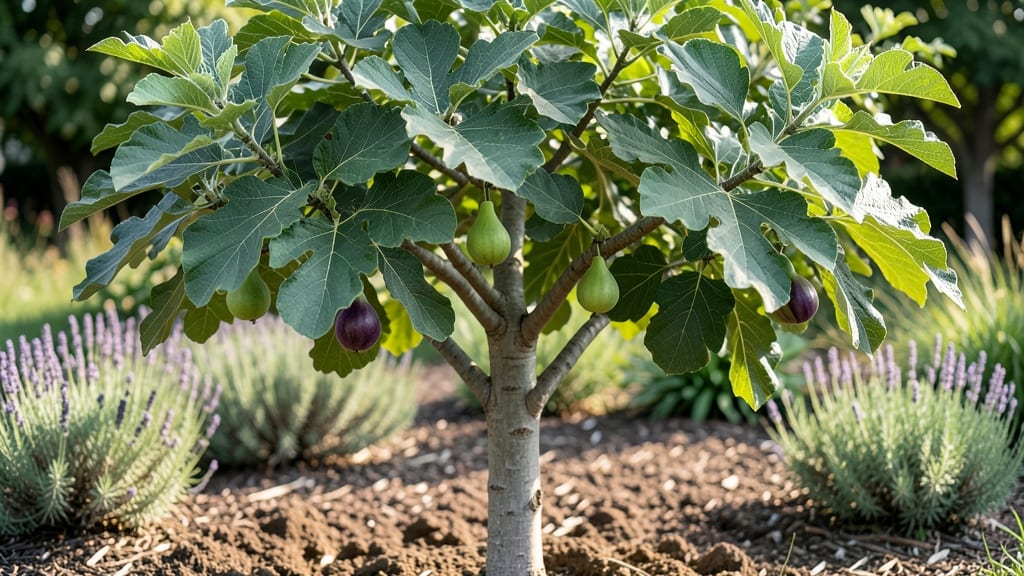
If you're wondering "how tall do Chicago fig trees grow", you're not alone—many urban gardeners hesitate before planting these beauties because of their potential size. The Chicago Hardy Fig 🍇 can reach an impressive 15 to 30 feet at maturity, but don't let that scare you off.
With the right care and pruning techniques, you can easily manage its height, even in small yards or containers.
What makes this variety special is its adaptability to urban environments, especially in USDA Zone 6 where it thrives.
Unlike some fig varieties, the Chicago Hardy Fig grows at a steady pace—starting at just 2 to 4 feet in its first year and gradually reaching its full height over several seasons.
This predictable growth pattern makes it easier to plan for, whether you're working with limited space or aiming for a statement tree.
The key to controlling its height lies in understanding its growth habits and pruning strategies. You'll learn how to shape this tree to fit your space without sacrificing its fruit-bearing potential.
From container gardening tips to seasonal pruning techniques, we'll cover everything you need to know to keep your Chicago Hardy Fig at your desired height while still enjoying its lush foliage and delicious fruit.
Ready to transform your outdoor space with this versatile tree? Let's dive into the details so you can grow a Chicago Hardy Fig that perfectly suits your needs—whether that's a compact container plant or a towering centerpiece for your garden.


Chicago fig tree height by variety: urban-friendly options and their growth limits
If you’re considering a Chicago fig tree for your urban garden, knowing its mature height is crucial. The Chicago Hardy variety typically reaches 15 to 30 feet at maturity, but growth varies widely based on variety, pruning, and growing conditions.
For city gardeners with limited space, understanding these differences can help you choose the right tree for your landscape.
Not all fig trees are created equal—some varieties stay compact, while others grow tall and sprawling. The Chicago Hardy is a cold-hardy cultivar, but its height depends on whether it’s grown as a standard tree or pruned for a bushier form.
In urban settings, many gardeners opt for dwarf or semi-dwarf varieties to save space, though true dwarf Chicago figs are rare.
Here’s a quick look at how different fig varieties compare in terms of height and growth habits, perfect for urban gardeners:
| Variety | Mature Height | Growth Rate | Best For |
|---|---|---|---|
| Chicago Hardy | 15–30 ft | Moderate (2–4 ft/year) | Yards, large containers |
| Celeste | 10–20 ft | Slow to moderate | Small yards, containers |
| Brown Turkey | 20–30 ft | Fast (3–5 ft/year) | Large landscapes |
| Little Miss Figgy | 6–10 ft | Slow | Containers, patios |
The Chicago Hardy is a popular choice for urban gardens because it’s cold-hardy down to USDA Zone 6, making it ideal for northern climates. However, its height can be managed with regular pruning, especially if you’re growing it in a container or small yard.
For example, the Celeste variety is often recommended for urban settings because it stays shorter while still producing abundant fruit.
If you’re planting in containers, expect slower growth due to root restriction. A Chicago fig tree in a 15-gallon pot may only reach 8–12 feet over 5 years, while one planted in the ground could grow much taller.
Always choose a container with adequate drainage to prevent root rot, which can stunt growth.
Another factor influencing height is sunlight exposure. Fig trees thrive in full sun (6+ hours daily), but insufficient light can lead to leggy growth and reduced fruit production.
In urban areas with limited sunlight, consider placing your tree near a south-facing wall or using reflective surfaces to maximize light exposure.
For gardeners in small spaces, the Little Miss Figgy variety is a game-changer. This dwarf fig tree stays under 10 feet tall, making it perfect for balconies, patios, or even large containers. It’s also more compact than the standard Chicago Hardy, so you won’t sacrifice fruit production for size.
When planning your urban garden, consider the mature height of your fig tree and how it will fit into your space. If you’re unsure, start with a smaller variety or a young tree that you can prune over time.
With the right care, even a 30-foot Chicago fig tree can be managed to fit your needs—it’s all about balancing growth and maintenance.
🌱
Pruning secrets to control Chicago fig tree height: when, how, and what to trim
Controlling the height of your Chicago Hardy Fig 🍇 starts with smart pruning—this is how you keep it at your desired size while encouraging healthy growth. The key is timing: prune in late winter or early spring (just before new growth begins) to shape the tree without stressing it.
Avoid heavy pruning in fall, as it can stimulate tender growth that won’t survive frost in USDA Zone 6.
For urban gardeners with limited space, focus on heading back cuts—shortening branches by 1/3 to 1/2 their length—to encourage bushier growth. This technique works best on younger trees (under 3 years old) when they’re still establishing their structure.
Older trees may need thinning cuts to remove entire branches, which improves airflow and reduces height.
🚨 WARNING: Never remove more than 25% of the tree’s foliage in a single pruning session, or you risk shocking the tree. Chicago figs are resilient, but aggressive pruning can reduce fruit production.
Always use sterilized pruning shears to prevent disease spread, and seal larger cuts with pruning sealant to protect against pests.
⚠️ Pruning Mistakes to Avoid
- Pruning in summer: New growth won’t harden before frost.
- Over-pruning: Removes too many fruiting branches.
- Ignoring dead wood: Leaves tree vulnerable to disease.
"Patience is key—prune gradually to avoid stunting growth or reducing fruit yield."
To maintain a compact shape, prune twice a year: once in late winter (to set the structure) and again in early summer (to control height).
For container-grown trees, you can prune more aggressively since they’re already space-limited. Just remember: Chicago figs regrow quickly, so regular maintenance keeps them manageable.
If your tree is already too tall, don’t panic—focus on thinning the canopy from the top down. Remove branches that grow inward or cross each other, as these create weak spots and reduce airflow.
This method slows vertical growth while improving fruit quality. For a dwarf-like appearance, prune the central leader (main stem) back to a strong side branch.
Pro tip: Use a 3-step pruning approach—first remove dead/diseased wood, then thin out crowded branches, and finally shape the tree. This ensures your Chicago fig stays healthy, productive, and at a height that fits your space.
With consistent care, you can enjoy its lush foliage and sweet fruit without sacrificing your garden’s layout.