
Flowers
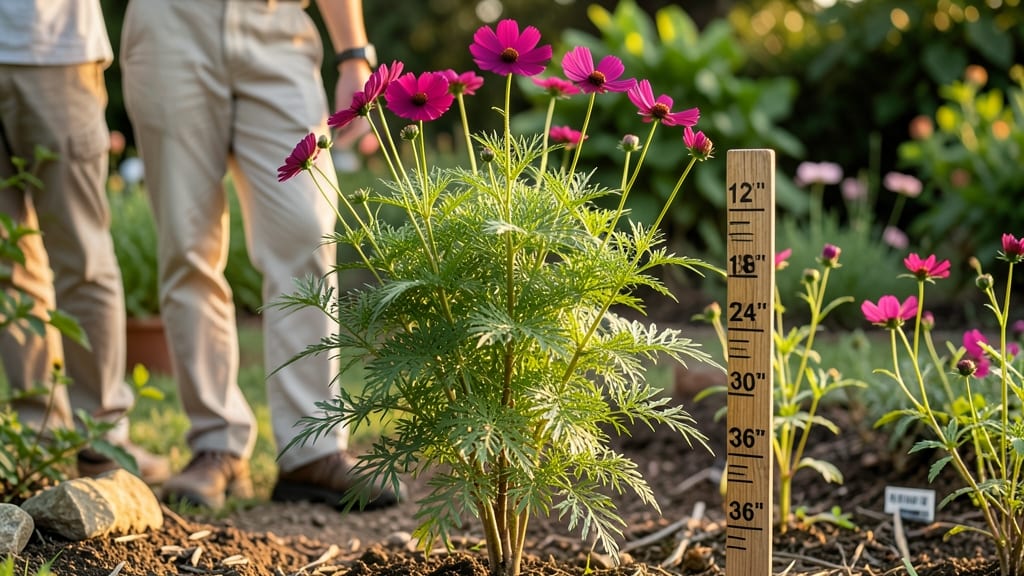
If you're wondering how tall do cosmos flowers grow, the answer might surprise you—these cheerful blooms can range from delicate 1-foot dwarfs to 6-foot giants, depending on the variety.
Whether you're planning a small container garden or a dramatic border, knowing their height helps you choose the perfect spot for these easy-care beauties.
The Cosmos bipinnatus—the classic garden cosmos—typically reaches 3 to 5 feet tall, making it ideal for back borders or cut flower arrangements. But don’t overlook the shorter varieties like 'Purity' or 'Bright Lights,' which stay compact at just 12 to 18 inches, perfect for edging or window boxes.
Their height isn’t just about aesthetics; it also affects how you support them.
Sunlight, soil, and even pruning play a big role in how tall your cosmos will grow. Too much shade? Expect shorter stems. Rich soil with occasional feeding? You might see those 6-foot monsters reaching for the sky.
And if you’re growing the taller types, staking can mean the difference between a floppy mess and a show-stopping display.
Ready to pick the perfect cosmos for your space? I’ll break down the best varieties for small gardens versus bold statements, plus pro tips to encourage the height you want—whether that’s a 2-foot accent or a 5-foot focal point. Let’s get growing!


Cosmos flower height ranges by variety: dwarf to giant sizes
Cosmos flowers are famous for their effortless beauty and dramatic height variations, ranging from compact dwarfs to towering giants. Knowing your cosmos’ mature height helps you choose the perfect spot—whether it’s a small container or a backyard border.
Most varieties fall between 12 inches and 6 feet, but some can even reach 8 feet with ideal conditions!
Height isn’t just about space—it also affects bloom display, wind resistance, and whether you’ll need staking.
For example, dwarf cosmos (like 'Purity') stay under 18 inches, making them ideal for window boxes or fairy gardens, while tall cosmos (like 'Bright Lights') can soar to 6 feet, perfect for cut flower arrangements or backdrop planting.
Here’s how to match cosmos height to your garden’s needs, including sunlight requirements and growth tips for each type:
If you’re wondering how to maximize height, focus on full sun exposure (6+ hours daily) and well-draining soil. Cosmos thrive in poor soil but grow taller with moderate fertility. Over-fertilizing can lead to leafy growth at the expense of blooms, so use a balanced 5-10-10 fertilizer sparingly.
For compact growth, choose dwarf varieties or prune regularly to encourage bushiness. If you’re growing cosmos for cut flowers, taller varieties like 'Bright Lights' produce longer stems, but their height makes them wind-prone. Plant them near a sheltered fence or trellis to support their weight.
Pro tip: Pinch back young plants by one-third when they’re 6 inches tall to promote bushier growth and more blooms. This works especially well for semi-dwarf and standard varieties, helping them reach their full height potential without becoming leggy.
In my own garden, I’ve found that cosmos height varies by climate. In hot, dry regions, they often grow taller and leaner, while in cooler zones, they may stay shorter and stockier.
Always check your local USDA zone (cosmos do best in zones 3–11) and adjust spacing accordingly.
For small gardens, opt for dwarf cosmos in containers or hanging baskets. For large spaces, mix tall cosmos with grasses or sunflowers to create a dramatic, textured backdrop. The key is to plan ahead—cosmos don’t like being transplanted, so direct-sow seeds where they’ll stay!
🌼
Cosmos flower height ranges by variety: dwarf to giant sizes
Cosmos flowers are famous for their effortless beauty and dramatic height variations—some stay compact while others reach skyward. If you're planning your garden layout, knowing these height ranges will help you choose the perfect variety for your space.
From dwarf cosmos perfect for containers to tall cosmos that create stunning backdrops, each type offers unique benefits.
The most common cosmos species, Cosmos bipinnatus, typically grows between 2 to 6 feet tall, but some varieties can exceed this range. For example, the classic 'Sensation Mix' often reaches 4 to 5 feet, while 'Bright Lights' stays shorter at 18 to 24 inches.
Understanding these differences ensures you select plants that thrive in your garden’s dimensions.
| Variety | Height Range | Best For | Notes |
|---|---|---|---|
| 'Bright Lights' | 12–18 inches | Containers, borders | Dwarf variety, great for small gardens |
| 'Purity' | 18–24 inches | Cut flowers, front of beds | Self-supporting, mildew-resistant |
| 'Sensation Mix' | 3–5 feet | Back of borders, cut arrangements | Classic pink/purple mix, needs staking |
| 'Cosmos sulphureus' | 4–6 feet | Tall backdrops, wildflower gardens | Orange/yellow blooms, drought-tolerant |
| 'Seashells' | 2–3 feet | Mixed borders, pollinator gardens | Soft pink/white blooms, self-cleaning |
Height isn’t just about aesthetics—it also affects how you plant and maintain your cosmos. For example, tall cosmos varieties like 'Cosmos sulphureus' need full sun and well-draining soil to reach their maximum height, while dwarf types like 'Bright Lights' thrive in partial shade if your garden gets intense afternoon sun.
Always check your local USDA hardiness zone (cosmos grow best in zones 3–11) to ensure optimal growth.
Another key factor is pruning habits. Regularly deadheading spent blooms encourages taller growth and more flowers. For tall cosmos, pinch back the tips early in the season to promote bushier stems.
This simple trick can make a 3-foot difference in mature height! Just be sure to wear gloves—cosmos leaves can be prickly.
If you're growing cosmos for cut flowers, taller varieties like 'Sensation Mix' provide longer stems for arrangements. Aim to harvest in the early morning when blooms are fully open but still hydrated.
For garden beds, shorter varieties like 'Purity' create neat, low-maintenance borders that attract pollinators like bees and butterflies. Whether you choose dwarf or giant cosmos, their versatility makes them a gardener’s dream.
For maximum height and vigor, plant cosmos in well-amended soil with a 5-10-10 fertilizer in early spring. Space taller varieties 18–24 inches apart to prevent overcrowding, while dwarf types can be planted 12 inches apart.
With the right care, your cosmos will reward you with months of vibrant blooms and effortless beauty.