
How To
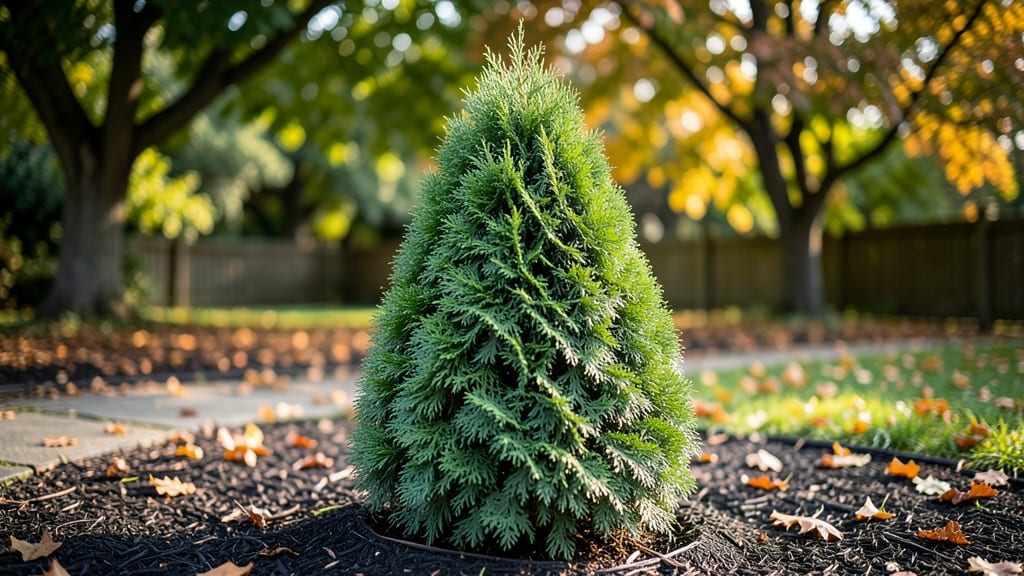
Wondering "how tall do dwarf arborvitae grow" before committing to planting? You’re not alone—many gardeners assume these compact evergreens stay uniformly small, only to discover surprising variations in mature height.
The truth is, dwarf arborvitae 🌲 can range from just 3 feet to nearly 8 feet at maturity, depending on the variety. Some, like the 'Golden Globe,' stay perfectly proportioned for container gardens, while others, such as 'Emerald Green,' stretch toward the upper end of the dwarf spectrum.
Knowing these differences is the key to choosing the right plant for your space—whether you need a tidy border or a low-maintenance privacy screen.
In this guide, I’ll break down the exact height ranges for the top 5 fastest-growing dwarf varieties, including their growth rates and ideal spacing. You’ll also learn how to maintain their compact form and avoid common mistakes that can stunt their growth.
Ready to pick the perfect arborvitae for your yard? Let’s dive into the details so you can plant with confidence—and enjoy a lush, evergreen landscape without the hassle of towering trees.


Dwarf arborvitae height ranges: exact growth charts for 5 fastest-growing varieties
When I first planted dwarf arborvitae in my front yard, I assumed all varieties would stay under 3 feet—but I quickly learned height varies dramatically between cultivars. The Emerald Green, for example, can reach 6–8 feet at maturity, while Golden Globe stays a tidy 3 feet.
Knowing these differences helps you choose the perfect fit for your space, whether you need a privacy screen or a container-friendly accent plant. Below, I’ve compared the top 5 fastest-growing dwarf varieties with their exact height ranges, growth rates, and ideal spacing.
Most gardeners make the mistake of assuming all dwarf arborvitae grow at the same pace. In reality, some varieties like 'Little Giant' grow 12–15 inches per year, while others like 'Smaragd' grow just 6–10 inches annually.
This difference can mean the gap between a 6-foot hedge and a 12-foot privacy wall in just 5 years. To help you visualize, I’ve included a growth chart comparing mature heights, 10-year projections, and spread measurements for each variety.
Here’s the critical detail: spacing matters. Planting 'Emerald Green' too closely (under 3 feet apart) will lead to overcrowding, while spacing 'Golden Globe' more than 4 feet apart wastes space. The table below breaks down ideal spacing for full coverage without competition.
Dwarf Arborvitae Growth Comparison
| Variety | Mature Height (ft) | 10-Year Height (ft) | Spread (ft) | Growth Rate (in/yr) | Ideal Spacing (ft) |
|---|---|---|---|---|---|
| Emerald Green | 6–8 | 4–5 | 3–4 | 12–15 | 3–4 |
| Compacta | 3–5 | 2–3 | 2–3 | 6–8 | 2–3 |
| Little Giant | 10–12 | 6–8 | 4–5 | 12–15 | 4–5 |
| Golden Globe | 3 | 2–2.5 | 3 | 4–6 | 3–4 |
| Smaragd | 12–15 | 8–10 | 4–6 | 10–12 | 5–6 |
*Growth rates vary by climate and soil conditions. Southern regions may see faster growth.
If you’re planning a hedge row, 'Emerald Green' is my top recommendation for a <
How to choose the right dwarf arborvitae for your space: height vs. purpose guide
Picking the perfect dwarf arborvitae means matching its mature height to your specific needs—whether you need a 3-foot container plant for a patio or a 12-foot privacy screen. Each variety grows at a different rate, so let’s break down the best options based on your space and goals.
Start by measuring your area and comparing it to these height benchmarks to avoid overcrowding or underwhelming results.
For example, ‘Emerald Green’ reaches 6–8 feet tall and is ideal for formal hedges along fences or property lines. Its upright growth habit makes it perfect for creating a structured, uniform barrier without requiring heavy pruning.
If you’re working with limited vertical space, like a balcony or small yard, consider ‘Golden Globe’, which stays a compact 3–4 feet tall and wide—ideal for container gardening or as a focal point in garden beds.
The ‘Little Giant’ variety is a favorite for homeowners needing a 10–12 foot privacy screen quickly. It grows 2–3 feet per year, so you’ll see noticeable height gains within just a few seasons.
On the other hand, ‘Compacta’ is the slowest grower, maxing out at 4–5 feet tall, making it perfect for low-maintenance borders or as a ground cover alternative.
Always check the spread width too—some varieties like ‘Emerald Green’ can reach 3–4 feet wide, while others like ‘Golden Globe’ stay nearly as wide as they are tall.
✨ Key Takeaway: Height vs. Purpose
- ‘Emerald Green’: 6–8 ft tall → Best for formal hedges or privacy screens.
- ‘Little Giant’: 10–12 ft tall → Fast-growing privacy solution (2–3 ft/year).
- ‘Golden Globe’: 3–4 ft tall → Perfect for containers or small spaces.
- ‘Compacta’: 4–5 ft tall → Slow-growing border plant or ground cover.
- ‘Smaragd’: 8–12 ft tall → Narrow, columnar shape for tight spaces.
💡 Pro Tip: Always space dwarf arborvitae 3–5 feet apart for optimal airflow and growth.
When choosing your variety, also consider your sunlight conditions and soil type. Most dwarf arborvitae thrive in full sun to partial shade, but varieties like ‘Emerald Green’ may develop a lighter green hue in low-light conditions.
For clay-heavy or poorly draining soil, amend with compost or plant on a slight mound to prevent root rot. If you’re in a windy area, opt for a sturdier variety like ‘Little Giant’ to avoid damage.
Finally, don’t forget about pruning requirements. Varieties like ‘Emerald Green’ and ‘Smaragd’ benefit from light annual pruning to maintain their shape, while ‘Golden Globe’ and ‘Compacta’ require minimal trimming. Plan your pruning schedule in late winter or early spring to encourage healthy new growth.
With the right variety and care, your dwarf arborvitae will provide year-round greenery with minimal effort!
🌿