
How To
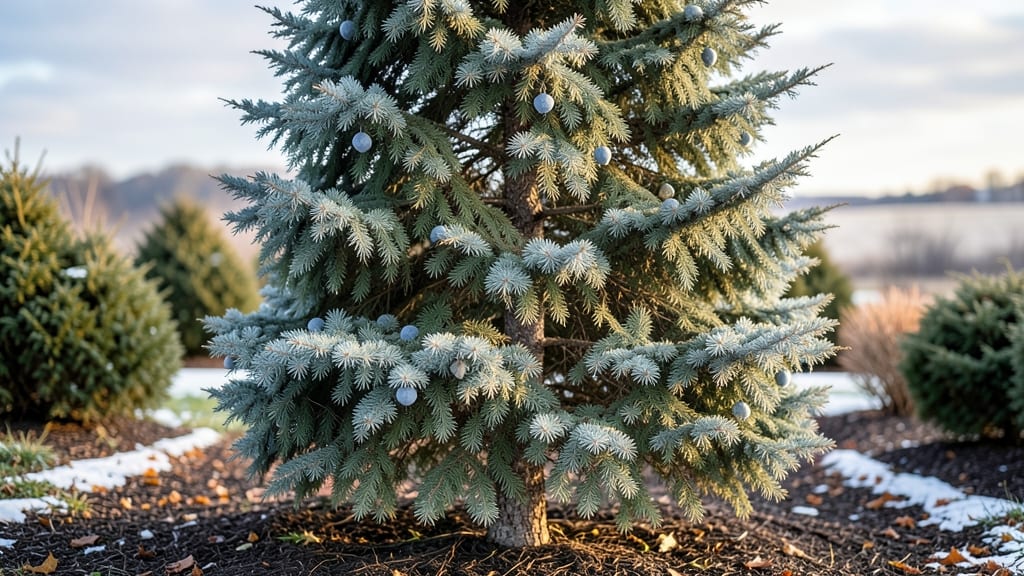
If you're wondering "how tall do Eastern Red Cedars grow", the answer might surprise you—these hardy evergreens can stretch from a compact 10-foot shrub to a towering 40-foot tree, depending on where you plant them and how you care for them. 🌲 Whether you're planning a privacy screen or a wildlife-friendly border, understanding their potential height is key to making the right choices for your landscape.
The Eastern Red Cedar thrives in USDA Zone 6a and beyond, but its growth habits can vary wildly. In ideal conditions with plenty of sunlight and well-draining soil, these trees reach their full height over decades, while pruning or poor soil can keep them shorter.
If you're aiming for a low-maintenance hedge, you might end up with a much smaller specimen than if you let it grow naturally in a spacious yard.
What’s most important to know? These trees grow at a moderate pace—expect about 1-2 feet per year—so patience is key.
Whether you're dreaming of a lush green wall or a towering focal point, learning how to manage their growth will help you get exactly what you want from your Eastern Red Cedar.
Ready to discover the secrets to controlling their height? From pruning tips to soil tricks, I’ll walk you through everything you need to shape your tree—whether you want it tall, short, or somewhere in between.


Eastern Red Cedar height ranges: mature sizes by growing conditions
Understanding how tall Eastern Red Cedars (Juniperus virginiana) grow is essential for landscape planning. These trees typically reach 30 to 40 feet tall at maturity, but their height can vary dramatically based on growing conditions.
In optimal environments, they may even exceed 40 feet, while in cooler or drier climates, they might stay shorter at 20 to 30 feet. Let’s explore the factors that influence their height and how you can plan accordingly.
One of the biggest factors affecting height is soil quality. Well-draining, slightly alkaline soil with a pH between 6.0 and 8.0 supports faster growth, leading to taller specimens. In contrast, clay-heavy or waterlogged soils can stunt growth, keeping trees shorter and bushier.
If you’re planting in USDA Zones 3 through 9, expect variations in height based on regional climate patterns.
Another critical factor is water availability. Eastern Red Cedars are drought-tolerant, but consistent moisture during their first few years encourages faster growth. In arid regions, like parts of the Southwest, these trees often grow more slowly and remain shorter.
Meanwhile, in coastal areas with higher humidity, they can reach their full height potential more quickly.
Here’s a quick breakdown of how Eastern Red Cedars mature under different conditions:
| Growing Condition | Typical Height Range | Notes |
|---|---|---|
| Full Sun, Well-Draining Soil | 30–40 ft | Ideal conditions for maximum height. |
| Partial Shade, Moist Soil | 20–30 ft | Slower growth, bushier shape. |
| Dry, Arid Climate | 15–25 ft | Drought stress limits height potential. |
| Coastal, Humid Regions | 35–45 ft | Higher humidity supports taller growth. |
If you’re planting Eastern Red Cedars for a privacy screen, aim for spacing them 6 to 10 feet apart to allow room for their mature width of 10 to 15 feet.
In windbreak applications, taller specimens (30+ feet) provide the best protection, but ensure they’re planted far enough from structures to avoid root damage.
For those in urban landscapes with limited space, consider pruning young trees to encourage a multi-stemmed or bushier form. This not only controls height but also creates a denser, more attractive hedge.
Just remember: pruning should be done in late winter or early spring to avoid stressing the tree during its active growing season.
One common misconception is that Eastern Red Cedars grow uniformly. In reality, their height can vary even on the same property due to microclimates. For example, a tree on a south-facing slope may grow taller than one in a north-facing valley, where sunlight is limited.
Always scout your planting site for at least a year to observe natural light and moisture patterns.
Finally, if you’re planting multiple trees for a hedge or windbreak, factor in their eventual height when designing your layout. A row of 40-foot-tall trees will create a dramatic, long-lasting barrier, while shorter varieties (20–30 feet) work well for smaller properties or as accent plants.
Always check local regulations, as some areas restrict tree height near property lines.
For wildlife habitat, taller Eastern Red Cedars provide better shelter for birds and small mammals. Their blue berries are a food source, and their dense foliage offers nesting sites. If your goal is to support local wildlife, prioritize planting in sunny, well-drained locations to encourage taller, healthier growth.
Ready to plan your Eastern Red Cedar planting? Start by testing your soil’s drainage and pH, then choose a location with full sun exposure for the fastest, tallest growth. With the right conditions, these versatile trees will thrive and become a stunning focal point in your landscape. 🌲
Eastern Red Cedar height ranges: mature sizes by growing conditions
Eastern Red Cedars (Juniperus virginiana) are incredibly versatile, with mature heights ranging from 10 to 40 feet depending on growing conditions. In ideal settings—like well-draining soil and full sun exposure—they often reach their maximum height of 30-40 feet, creating a striking vertical presence in landscapes.
However, in cooler climates or moisture-limited areas, they may stay shorter, around 10-20 feet, making them adaptable for smaller yards or hedges.
Regional variations play a huge role in height. In the southeastern U.S., where humidity is higher, Eastern Red Cedars tend to grow taller and fuller, while in arid western states, they may develop a more compact, shrub-like form.
Coastal areas often see slower growth due to salt spray and wind exposure, which can stunt height but encourage denser foliage.
Soil quality is another critical factor. These trees thrive in sandy or loamy soil but struggle in clay-heavy or waterlogged conditions, which can limit their height potential.
If you're planting in USDA Zones 2-9, expect faster growth in zones with hot summers (like Zone 7-8) compared to cooler northern zones (Zone 2-4), where growth is slower.
| Growing Condition | Height Range | Notes |
|---|---|---|
| Full Sun + Well-Draining Soil | 30-40 ft | Optimal growth; tallest specimens |
| Partial Shade + Moist Soil | 15-25 ft | Slower growth; denser foliage |
| Coastal/High Wind | 10-20 ft | Stunted by salt; bushier shape |
| Arid Western Regions | 15-30 ft | Drought-tolerant; slower growth |
For privacy screens, aim for 3-5 trees spaced 6-8 feet apart to ensure a dense, 10-15 foot tall barrier within 5-7 years. If you're planting for wildlife, taller specimens (20+ feet) provide better habitat for birds and small mammals.
Remember, Eastern Red Cedars grow 1-2 feet per year under ideal conditions, so plan accordingly for long-term landscaping goals.
In urban settings, where space is limited, consider pruning young trees to encourage a multi-stemmed shrub form. This approach keeps heights manageable while still offering the tree’s signature blue-green foliage and wildlife benefits.
Always use sterilized pruning tools to prevent disease spread, especially if you’re shaping multiple trees.
If you're unsure about your local climate’s impact, consult your local cooperative extension service for region-specific advice. They can provide soil tests and microclimate insights to help you predict your tree’s mature height accurately. With the right conditions, an Eastern Red Cedar can become a lifelong centerpiece in your landscape.