
Trees
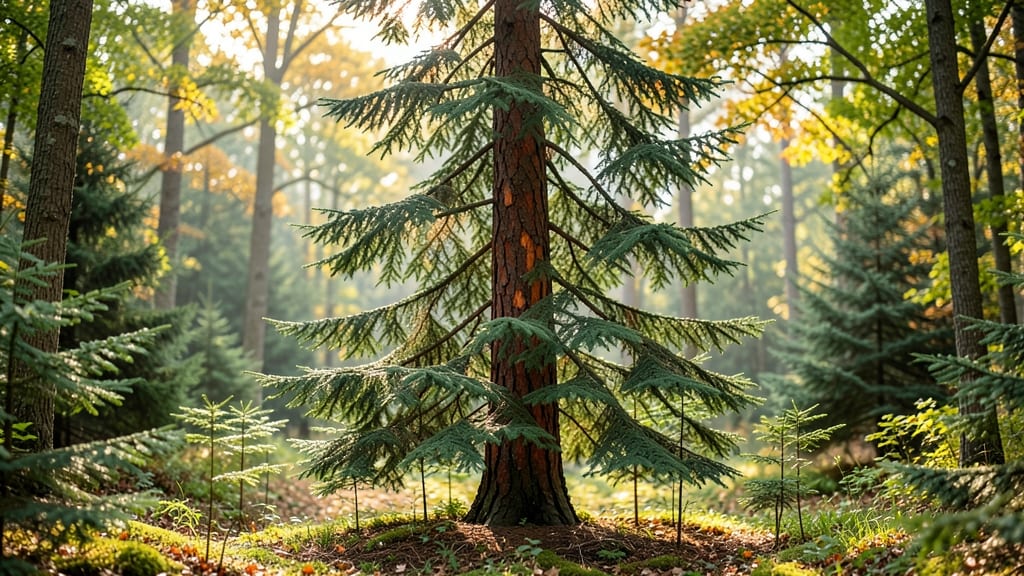
If you’ve ever wondered how tall do hemlock trees grow, you’re not alone—these towering evergreens can reach heights that rival skyscrapers in the right conditions.
The Eastern Hemlock 🌲, in particular, is known for its impressive stature, often stretching between 40 and 75 feet at maturity, making it a standout feature in forests and landscapes alike.
But here’s the catch: their growth isn’t just about time—it’s about location, soil, and even the climate where they’re planted.
In USDA Zone 6a, where many gardeners live, Eastern Hemlocks thrive with the right care, but their potential height can vary wildly depending on whether they’re growing in a shady woodland or a sunny backyard.
Whether you’re dreaming of adding one to your property or just curious about their growth habits, understanding these factors is key. I’ll break down exactly what influences their height, from seedling stages to mature giants, so you can make the most of these stunning trees.
Ready to discover how to nurture a hemlock that reaches its full potential? Let’s dive into the details that’ll help you grow—or admire—a tree that’s truly breathtaking.


Hemlock tree height by age: growth stages from seedling to mature giant
Hemlock trees (specifically the Eastern Hemlock) are among the most majestic evergreens, with their mature height ranging from 40 to 75 feet. But how do they grow from tiny seedlings to towering giants?
The answer lies in their growth stages, which vary dramatically by age, climate, and soil conditions. Understanding these stages helps you predict whether a hemlock will thrive in your yard or forest property.
In their first year, hemlock seedlings typically reach just 1 to 2 feet tall. This slow start is normal—they focus energy on root development rather than vertical growth.
By year two, they gain momentum, shooting up to 3 to 5 feet, though this can vary based on moisture and sunlight. Most gardeners underestimate how quickly these trees grow once they pass the 3-year mark.
Here’s where things get exciting: Between years 3 and 10, hemlocks can grow 6 to 10 feet per year under ideal conditions. This rapid phase is when their iconic pyramidal shape becomes most pronounced.
Without pruning, they’ll naturally stretch skyward, reaching 20 to 30 feet by decade’s end. That’s why many homeowners regret planting them too close to structures!
After 20 years, growth slows dramatically—often just 1 to 2 feet per year. This is when hemlocks reach their mature height of 40 to 75 feet, depending on their environment.
In USDA zones 3-7, where they thrive, coastal hemlocks often exceed 60 feet, while those in drier inland areas may max out around 40 feet. The difference? Humidity levels and soil moisture play huge roles.
One common misconception is that hemlocks grow at a consistent rate. In reality, their growth is highly seasonal. The most dramatic spikes occur in spring and early summer, when temperatures are mild and moisture is abundant.
If you’re planting a hemlock for shade, expect it to take 10 to 15 years to provide meaningful coverage—patience is key!
For those in urban or suburban settings, growth can be stunted by compacted soil or limited space. In forests, however, hemlocks compete for sunlight, which paradoxically encourages taller, thinner trunks as they stretch toward the canopy.
This is why wild hemlocks often surpass 70 feet, while backyard specimens rarely exceed 50 feet.
If you’re considering a hemlock for your property, remember: early pruning can influence final height. Removing lower branches in the first 5 years encourages upward growth, while neglecting pruning can lead to a bushier, shorter tree.
For maximum height, prioritize well-draining soil and consistent moisture—two factors that make all the difference in their vertical potential.
🌲
How location affects hemlock tree height: coastal vs. mountain vs. urban growth
Hemlock trees don’t grow uniformly—their height potential varies dramatically based on where you plant them. Coastal regions like the Pacific Northwest provide ideal conditions, with moist air and mild winters pushing them toward their 75-foot maximum.
Meanwhile, mountain slopes in the Appalachians often yield shorter, stockier trees due to cooler temperatures and thinner soil.
Urban environments pose unique challenges. Pollution and compacted soil can stunt growth, often resulting in 30-50-foot specimens even after decades. The key difference? Humidity levels and soil drainage—both critical for maximizing vertical growth.
| Location Type | Avg. Mature Height | Key Growth Factors | Best For |
|---|---|---|---|
| Coastal (PNW) | 60–75 ft | High humidity, mild winters, acidic soil | Forest gardens, large estates |
| Mountain (Appalachians) | 40–60 ft | Cooler temps, thinner soil, wind exposure | Sloped landscapes, alpine gardens |
| Urban (Suburban) | 30–50 ft | Pollution, compacted soil, limited space | Small yards, city parks |
For coastal plantings, focus on well-draining, acidic soil (pH 4.5–6.0) and protection from salt spray near shorelines. Mountain sites benefit from organic mulch to retain moisture in rocky terrain, while urban trees need regular soil aeration to combat compaction.
One surprising factor? Wind exposure. Hemlocks in open coastal areas grow taller but thinner trunks, while those in sheltered mountain valleys develop sturdier, shorter frames. If you’re aiming for a tall specimen, prioritize humidity-rich zones with partial shade.
Pro tip: Test soil moisture before planting—hemlocks in dry urban soils often struggle to reach their full height potential. Amend with peat moss or compost to mimic their native forest conditions.
🌲