
How To
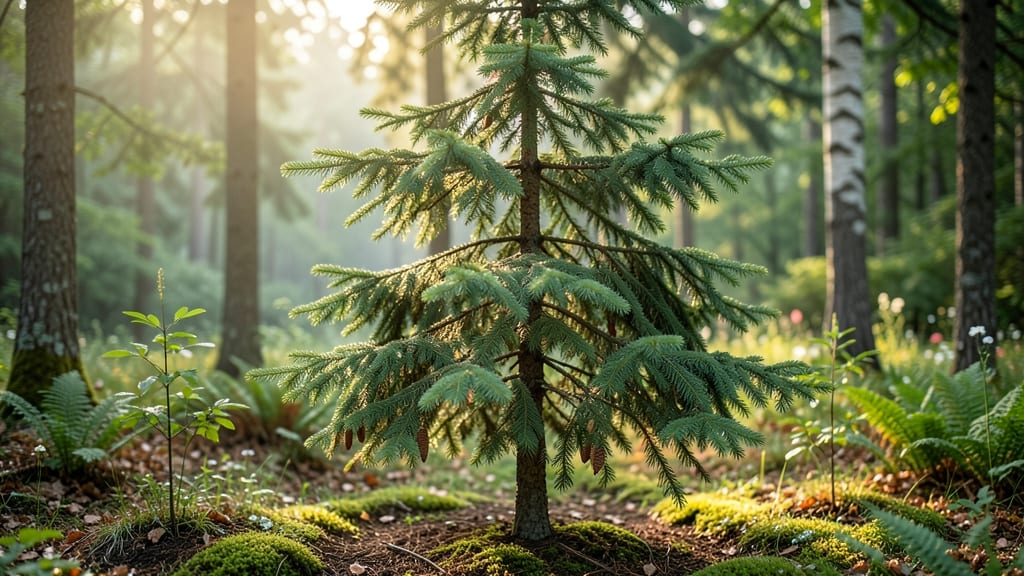
If you're wondering how tall do hemlocks grow, you're in for a pleasant surprise—these evergreen giants can reach heights of 40 to 70 feet, making them perfect for adding dramatic vertical interest to your landscape. 🌲 Whether you're planning a backyard retreat or a large property, understanding their growth potential helps you choose the right variety for your space.
The key to maximizing their height lies in the species you select. Eastern hemlocks, for example, grow steadily over decades, while some faster-growing cultivars can add 3 to 5 feet per year under ideal conditions. With the right care, you can encourage rapid growth without sacrificing health or shape.
But what if you want to control their size? Pruning isn’t just about keeping them manageable—it’s also about improving airflow and preventing disease. I’ll share the best techniques to shape your hemlock while promoting faster, healthier growth, so you get the best of both worlds.
Ready to turn your yard into a lush, towering forest? Let’s dive into the fastest-growing varieties, pruning secrets, and spacing tips to help you grow a stunning hemlock that stands out for years to come.


Hemlock tree height by species: which varieties grow tallest?
Hemlock trees are among the most majestic evergreens you can add to your landscape, but their height varies dramatically depending on the species and cultivar.
Understanding these differences helps you choose the right tree for your space—whether you have room for a towering giant or prefer a more compact variety. Let’s explore the most common types and their impressive growth potential.
The Eastern Hemlock (Tsuga canadensis) is the most widely planted species in North America, often reaching heights of 40 to 70 feet at maturity.
In ideal conditions, some specimens can even surpass 70 feet, making them one of the tallest native trees in the eastern U.S. Their slow-to-moderate growth rate means they’ll take decades to reach their full height, but patience pays off with their stunning, feathery foliage.
The Western Hemlock (Tsuga heterophylla) is another popular choice, particularly in the Pacific Northwest. This species typically grows 30 to 60 feet tall, with some reaching up to 80 feet in optimal conditions.
It’s more cold-hardy than its eastern counterpart and thrives in cooler, wetter climates, making it a favorite for Pacific Northwest gardens.
For smaller spaces, consider cultivars like 'Sargentii', a compact Eastern Hemlock that tops out at just 10 to 15 feet. This variety is perfect for urban landscapes or as a specimen plant in a backyard, offering all the beauty of a hemlock without the towering height.
Other dwarf varieties, though rare, can be found in specialty nurseries and are ideal for container gardening.
| Species/Cultivar | Mature Height | Growth Rate | Ideal Climate |
|---|---|---|---|
| Eastern Hemlock (Tsuga canadensis) | 40–70 ft | Slow to moderate | USDA Zones 3–7 |
| Western Hemlock (Tsuga heterophylla) | 30–60 ft | Moderate | USDA Zones 5–8 |
| 'Sargentii' (Dwarf Eastern Hemlock) | 10–15 ft | Slow | USDA Zones 3–7 |
| 'Fastigiata' (Columnar Hemlock) | 20–30 ft | Moderate | USDA Zones 3–7 |
If you’re planting hemlocks in a smaller garden or urban setting, consider the 'Fastigiata' cultivar, which grows in a narrow, columnar shape and reaches only 20 to 30 feet tall.
This variety is perfect for tight spaces and adds vertical interest without overwhelming your yard. Its upright growth habit also makes it a great choice for hedges or privacy screens.
When choosing a hemlock, also consider your local climate and soil conditions. Eastern hemlocks thrive in humid, well-drained soils with partial shade, while Western hemlocks prefer cooler, wetter environments common in the Pacific Northwest.
Both species tolerate full shade, but they’ll grow more slowly in low-light conditions. For fastest growth, aim for dappled sunlight and rich, acidic soil.
One common misconception is that hemlocks grow too quickly to control. In reality, their growth is slow to moderate, meaning you’ll have years to enjoy their beauty before they reach maturity.
Proper pruning and spacing can further manage their height and shape, ensuring they fit perfectly in your landscape design. For example, planting a 30-foot-tall cultivar at least 15 feet away from structures gives it room to grow without overpowering your home or driveway.
For those with limited space or container gardening goals, look for miniature hemlock cultivars like 'Pendula,' which has a weeping habit and stays under 10 feet tall. These varieties are ideal for patios, balconies, or even large pots, bringing the elegance of hemlocks to smaller areas.
Just ensure they get adequate water and nutrients to thrive in confined spaces.
Understanding the height potential of different hemlock species helps you make an informed decision. Whether you’re aiming for a towering evergreen or a compact accent plant, there’s a hemlock cultivar that’s perfect for your needs. Next, we’ll explore which varieties grow the fastest for quick landscape impact.
Fastest-growing hemlock varieties for quick landscape impact
If you're eager to see your hemlock reach impressive heights in record time, some cultivars outpace others significantly. The fastest-growing hemlock varieties can add 3-5 feet annually under ideal conditions, making them perfect for quick landscape transformations.
These varieties thrive with proper care, so let’s explore the top performers and how to maximize their growth potential.
Among the speediest growers, 'Fastigiata' and 'Sargentii' stand out. 'Fastigiata' grows in a narrow, columnar shape, reaching 40-50 feet tall in just 15-20 years, while 'Sargentii' boasts a more upright form and can hit 30-40 feet in a decade.
These varieties are ideal for tight spaces where you want height without excessive width.
For a more whimsical look, 'Tortuosa' (also called "Twisted Hemlock") grows at a moderate pace but develops striking, contorted branches. It typically reaches 20-30 feet tall over 15 years, making it a unique focal point in gardens or woodland settings.
To encourage rapid growth, prioritize well-draining, acidic soil (pH 4.5-6.0) rich in organic matter. Hemlocks prefer partial shade to full shade, so avoid planting them in full sun, which can stress their roots.
Water deeply once or twice weekly during dry spells, especially in the first few years after planting.
For even faster results, apply a balanced fertilizer (10-10-10) in early spring and again in mid-summer. Avoid over-fertilizing, as hemlocks are sensitive to excess salts. Mulch around the base with 2-3 inches of organic mulch to retain moisture and suppress weeds, which can compete for nutrients.
With the right conditions, these fast-growing hemlock varieties will transform your landscape into a lush, evergreen retreat in no time. Just remember: patience and consistent care are key to unlocking their full potential! 🌲