
How To
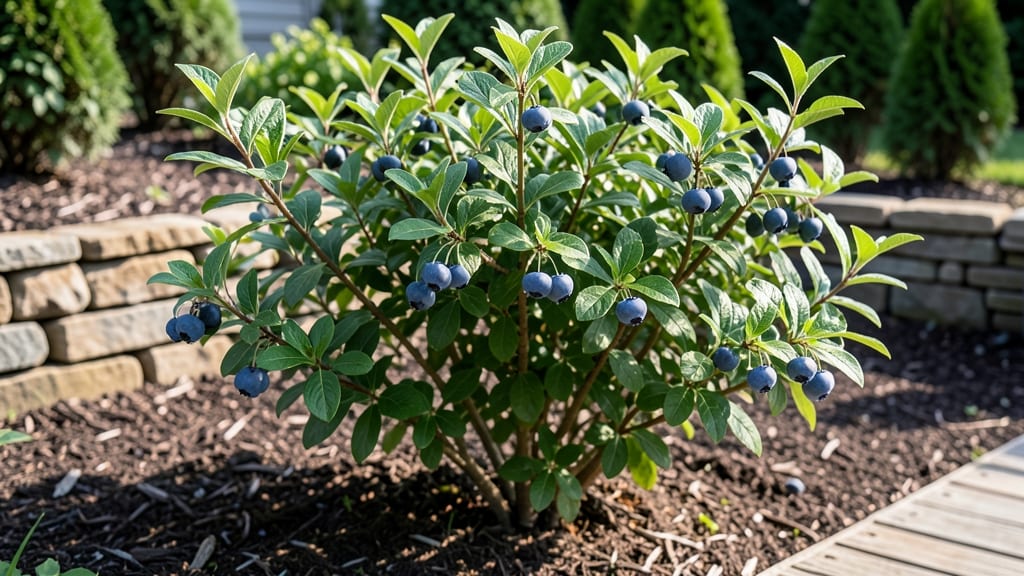
If you're wondering how tall do highbush blueberries grow, you might be surprised to learn these shrubs can reach heights of 6 to 12 feet—taller than most gardeners expect! That towering 🫐 frame isn't just for show; it impacts everything from harvest access to garden layout planning.
But here's the catch: not all highbush varieties grow to the same height. Some stay compact at 3 to 5 feet, while others stretch toward 10 feet or more.
This variation means you can choose a size that perfectly fits your backyard space—whether you have a small container garden or a spacious orchard area.
Understanding these growth patterns is the key to successful cultivation. The right variety and proper spacing can make all the difference in yield, ease of maintenance, and even fruit quality. Let's explore how to select the perfect highbush blueberry for your garden and manage its growth effectively.
From dwarf varieties that fit neatly in small plots to standard types that need room to spread, we'll cover everything you need to know. You'll discover how to create an ideal growing environment that supports both healthy plants and bountiful harvests—without turning your garden into a jungle.


Highbush blueberry height by variety: from compact to towering shrubs
Highbush blueberries are one of the most popular berry crops for home gardens, but their mature height can vary dramatically depending on the variety you choose. While some stay compact enough for containers, others can grow taller than a basketball hoop.
Understanding these differences is key to planning your garden layout and ensuring easy harvests. For example, the 'Bluecrop' variety typically reaches 8-12 feet, while 'Top Hat' stays a manageable 3-5 feet. This range means you can grow blueberries in everything from small urban yards to large rural plots.
Most highbush blueberries fall into three size categories: dwarf (3-5 ft), semi-dwarf (5-7 ft), and standard (8-12 ft). The dwarf varieties are perfect for containers or small spaces, while standard types need ample room to thrive.
Even within these categories, growth rates can differ by 1-2 feet based on soil quality, sunlight, and pruning habits. For instance, a 'Duke' blueberry might hit 10 feet in ideal conditions but stay closer to 8 feet in cooler climates.
Here’s the key insight: height isn’t just about space—it also affects fruit production, pruning effort, and even pollination. Taller varieties often produce more berries but require sturdy trellises or pruning to keep branches from sagging.
Shorter varieties, like 'Patriot' (5-6 ft), are easier to maintain but may yield slightly less fruit. Your choice should align with your garden’s size, climate, and how much you’re willing to prune.
| Variety | Mature Height (ft) | Growth Rate (ft/year) | Best For |
|---|---|---|---|
| Top Hat | 3-5 ft | 1-2 ft | Containers, small yards |
| Patriot | 5-6 ft | 1.5-2 ft | Urban gardens, low-maintenance |
| Bluecrop | 8-12 ft | 2-3 ft | Large gardens, high yields |
| Duke | 8-10 ft | 2-2.5 ft | Warm climates, early harvest |
| Jersey | 6-8 ft | 1.5-2 ft | Cold-hardy regions, medium space |
| Chippewa | 5-7 ft | 1-1.5 ft | Small spaces, northern climates |
If you’re growing blueberries in containers, stick to dwarf varieties like 'Top Hat' or 'Patriot'. These can thrive in 15-20 gallon pots with proper pruning, making them ideal for patios or balconies. However, container-grown plants may need more frequent watering and annual repotting to prevent root bound conditions.
For in-ground planting, semi-dwarf varieties like 'Jersey' or 'Chippewa' offer a balance between space efficiency and fruit production.
One common mistake gardeners make is assuming all highbush blueberries grow the same height. For example, 'Duke' can easily reach 10 feet in ideal conditions, while 'Chippewa' rarely exceeds 7 feet. This difference means you’ll need to adjust your spacing and pruning plan accordingly.
Taller varieties also benefit from staking or trellising to support heavy fruit loads, especially in windy areas. Always check the specific variety’s tags or breeder recommendations for the most accurate growth expectations.
Another factor to consider is how height impacts harvesting ease. Taller varieties like 'Bluecrop' can make picking berries challenging without a ladder, especially if the plant is 10+ feet tall. If you’re growing for family use, a 6-foot variety might be more practical.
For commercial or large-scale growing, taller varieties are often preferred due to their higher yields, but they require more labor and infrastructure to manage.
For gardeners in small spaces, semi-dwarf varieties are a game-changer. They fit neatly into landscape beds or hedge rows while still producing abundant fruit. Pairing a 5-6 foot variety like 'Patriot' with a companion plant like bush honeysuckle or dwarf apple trees can create a multi-functional garden feature.
Just ensure you leave 4-5 feet of space around the base to allow for airflow and future growth.
Optimal spacing and pruning rules to control highbush blueberry growth
Highbush blueberries grow tall, but their mature size isn’t set in stone—proper spacing and pruning can keep them manageable while maximizing fruit production. If you plant them too closely, you’ll struggle with crowding and disease, while over-pruning can reduce yields.
The key is balancing airflow, sunlight exposure, and structural health.
For young plants (first 2 years), focus on establishing a strong root system. Give them 3–4 feet of space between plants, even if they’re dwarf varieties. This prevents competition for nutrients and water, which is critical during their rapid growth phase.
In the first year, they’ll only reach 2–3 feet, but proper spacing now sets the stage for healthier mature shrubs.
As your blueberries mature, spacing needs adjust. Standard varieties like 'Bluecrop' or 'Duke' need 6–8 feet between plants, while semi-dwarf types (like 'Patriot') can handle 5–6 feet.
Dwarf varieties (e.g., 'Top Hat') thrive with 4–5 feet of space. Remember, these shrubs spread wider than they grow tall, so account for that in your garden layout.
✂️ Pruning Tips for Highbush Blueberries
Pruning isn’t just about height control—it’s about fruit production. Highbush blueberries bear fruit on second-year wood, so avoid heavy cuts that remove next year’s potential harvest. Instead, focus on structural pruning: remove suckers (shoots from the base), weak growth, and canes older than 5 years.
This keeps the plant open and reduces fungal diseases like mummy berry.
If your blueberries are getting too tall for your space, topping (cutting the main stems) can help, but do it sparingly. For dwarf varieties, a light prune in early spring to shape the plant is often enough.
For standard varieties, aim to keep the height under 8 feet by selectively removing the tallest canes. Always use clean, sharp pruners and sterilize them with rubbing alcohol to prevent spreading disease.
Finally, don’t forget about mulching. Apply a 3-inch layer of organic mulch (like pine needles or wood chips) around the base of your plants. This suppresses weeds, retains moisture, and slowly acidifies the soil—perfect for blueberries.
Just keep the mulch 6 inches away from the stem to prevent rot. With the right spacing and pruning, your highbush blueberries will stay healthy, productive, and within your garden’s limits.