
How To
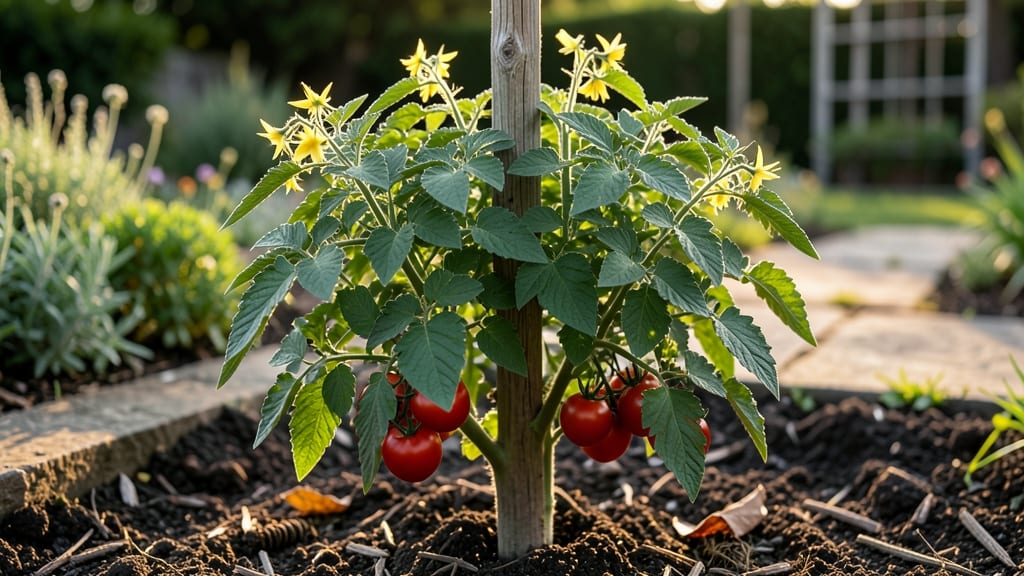
If you’re wondering how tall Juliet tomatoes grow, you’re in the right place—because these compact 🍅 varieties are perfect for small gardens, containers, and even balconies. Unlike their towering cousins, Juliet tomatoes stay manageable at just 18–24 inches tall, making them ideal for beginners or tight spaces.
What sets Juliet tomatoes apart is their dwarf genetics, which means they won’t sprawl uncontrollably like other varieties. This makes them a game-changer for urban gardeners or anyone short on space.
But don’t let their small size fool you—they pack a flavor punch and produce a steady harvest all season long.
In this guide, I’ll break down exactly how tall Juliet tomatoes get, how to space them properly, and the best ways to support their growth without sacrificing yield. Whether you’re planting in pots or a small garden bed, these tips will help you grow more tomatoes in less space.
Ready to transform your tiny garden into a tomato powerhouse? Let’s dive into the details so you can get the most out of your Juliet plants—without the hassle of dealing with overgrown vines.


Juliet tomato height: exact growth range & compact characteristics
Juliet tomatoes are a compact variety designed for small spaces, making them ideal for balconies, containers, or tight garden beds. Unlike their towering cousins, these plants typically reach a mature height of 18–24 inches—about half the height of standard varieties.
Their dwarf genetics ensure they stay manageable without sacrificing productivity.
What sets Juliet tomatoes apart is their indeterminate growth habit, meaning they produce fruit continuously throughout the growing season. However, their vines are genetically limited in height, preventing them from sprawling like traditional indeterminate varieties. This makes them perfect for urban gardeners or anyone with limited vertical space.
At maturity, Juliet tomatoes can spread 2–3 feet wide, so planning for their horizontal growth is just as important as managing their height.
Their compact stature doesn’t mean smaller yields—many gardeners report abundant harvests from just a few plants, thanks to their focused energy on fruit production rather than vertical growth.
If you’re comparing Juliet tomatoes to other varieties, their height is roughly one-third that of a standard Beefsteak tomato (which can reach 5–6 feet). This makes Juliet an excellent choice for container gardening or even hanging baskets, provided you give them adequate support.
Here’s what you can expect in terms of growth timelines:
- Seedling stage: 4–6 weeks after sowing
- First flowers: 6–8 weeks after transplanting
- First fruit: 8–10 weeks after transplanting
- Peak production: 10–12 weeks after transplanting
| Characteristic | Details |
|---|---|
| Mature Height | 18–24 inches (1.5–2 feet) |
| Spread | 2–3 feet wide |
| Growth Habit | Indeterminate (compact) |
| Time to First Fruit | 8–10 weeks after transplanting |
| Fruit Size | Medium (1–2 inches in diameter) |
| Yield Potential | High (continuous production) |
One common misconception is that dwarf tomatoes produce fewer fruits, but Juliet tomatoes prove otherwise. Their compact stature doesn’t limit their ability to produce hundreds of tomatoes per plant over the growing season.
The key is providing the right support system—like a small cage or trellis—to keep vines organized and encourage upward growth without sprawling.
For gardeners in USDA Zones 5–10, Juliet tomatoes thrive in warm climates but can also be grown in cooler zones with proper protection.
In Zone 5, for example, start seeds indoors 6–8 weeks before the last frost and transplant after soil temperatures reach 60°F (15°C) to ensure healthy growth.
If you’re growing Juliet tomatoes in containers, choose pots that are at least 12 inches deep and 12 inches wide to accommodate their root system.
Larger containers (18+ inches) can support even more robust growth. Always use well-draining soil mixed with compost to provide essential nutrients without waterlogging the roots.
To summarize, Juliet tomatoes are a game-changer for small-space gardeners. Their 18–24 inch height, compact growth habit, and high yield potential make them one of the most versatile varieties for balconies, patios, and containers.
With the right care, you can enjoy a bountiful harvest without the need for a large garden plot.
Juliet tomato height: exact growth range & compact characteristics
Juliet tomatoes are a dwarf variety specifically bred to thrive in small spaces, making them one of the most popular choices for container gardening. Unlike traditional tomato plants that can reach 6 feet or taller, Juliet tomatoes typically stay between 18–24 inches tall at maturity.
This compact size makes them perfect for balconies, patios, and raised beds where space is limited.
What makes Juliet tomatoes unique is their indeterminate growth habit, meaning they’ll continue producing new leaves and flowers throughout the growing season. However, their dwarf genetics prevent them from growing excessively tall.
This balance allows you to enjoy a steady harvest without worrying about overcrowding or unmanageable vines. Their height also makes them easier to maintain and harvest compared to their taller counterparts.
Here’s a quick breakdown of Juliet tomato growth characteristics to help you plan your garden:
| Characteristic | Details |
|---|---|
| Mature Height | 18–24 inches (1.5–2 feet) |
| Growth Habit | Indeterminate (continuous growth) |
| Vine Spread | 12–18 inches wide (without support) |
| Time to Maturity | 60–75 days from transplant |
| Best For | Containers, small gardens, trellises |
Juliet tomatoes reach their full height roughly 6–8 weeks after transplanting, depending on your climate and growing conditions. In cooler regions, they may grow slightly slower, while warmer areas can see faster growth.
If you’re growing them in containers, their height might be slightly more controlled due to limited root space, but they’ll still produce abundant fruit.
One of the biggest advantages of Juliet tomatoes is their early productivity. You can expect to see your first cherry-sized tomatoes as early as 60 days after planting, with continuous harvests throughout the season.
This makes them ideal for gardeners who want a quick reward for their efforts. Plus, their compact size means you can fit more plants in a smaller area, increasing your overall yield.
To keep Juliet tomatoes at their ideal height and encourage strong fruit production, consider using a small trellis or cage. This not only supports their growth but also improves airflow, reducing the risk of disease.
Even though they’re dwarf varieties, a little extra support can make a big difference in the size and quality of your tomatoes. With the right care, you’ll be enjoying homegrown Juliet tomatoes in no time!
If you’re new to growing tomatoes, Juliet varieties are a fantastic starting point. Their manageable size and reliable productivity make them a favorite among both beginner and experienced gardeners alike. Just