
Trees
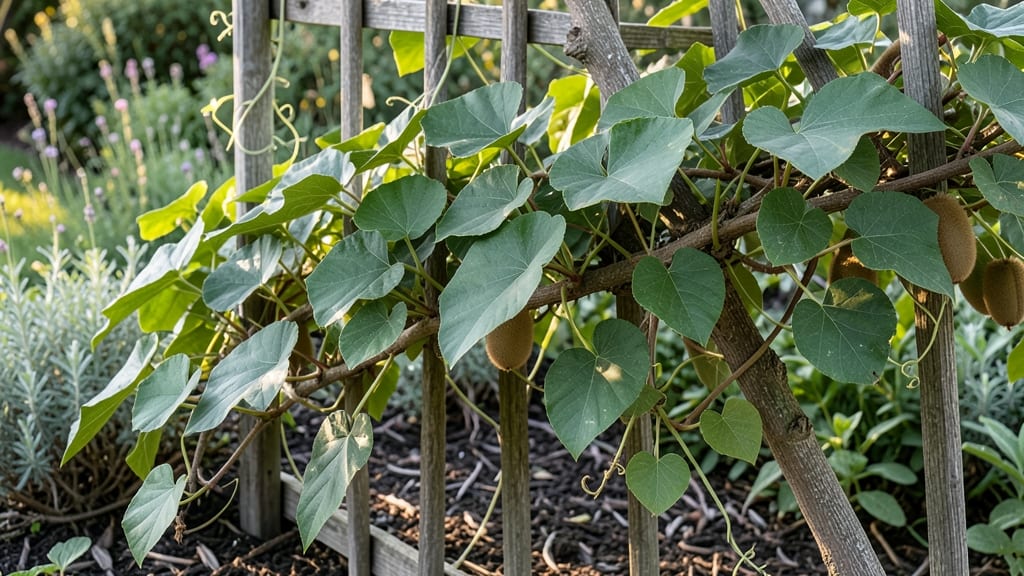
If you're wondering how tall do kiwi trees grow, the answer might surprise you—these vigorous climbers can reach heights of 20 to 30 feet when left unchecked, dwarfing even the tallest backyard trees.
The 🍈 vine isn’t just a decorative plant; it’s a powerhouse that needs space to thrive, but with the right care, you can manage its growth and even grow compact varieties.
Not all kiwi vines are created equal, though. Hardy kiwi varieties like Actinidia arguta tend to stay smaller, often topping out around 15 to 20 feet, while traditional Actinidia deliciosa (the fuzzy kiwi) can stretch toward 30 feet if given the freedom.
That’s why choosing the right variety—and planning for support—is the key to keeping your kiwi vine both productive and manageable.
For gardeners with limited space, the good news is that pruning and trellising can keep even the tallest varieties in check. With regular trimming and a sturdy trellis, you can train your kiwi vine to stay within bounds, whether you’re growing it along a fence or in a container.
The result? A bountiful harvest without sacrificing your yard’s layout.
Ready to grow your own kiwis? I’ll walk you through the best varieties for small spaces, pruning tips to control height, and how to support your vine for maximum fruit production. Let’s get started!


Kiwi tree height ranges by variety: from compact to towering
Kiwi vines are famous for their impressive growth, but not all varieties reach the same towering heights. The standard hardy kiwi (Actinidia arguta) typically grows between 15 to 25 feet, while the classic Actinidia deliciosa can soar up to 30 feet or more with proper care.
Understanding these differences helps you choose the right variety for your space—whether you have a sprawling backyard or a cozy patio.
If you're working with limited space, dwarf or bush-type kiwis like the Issai kiwi (a self-pollinating variety) can stay under 8 feet when properly pruned. These compact options are perfect for containers or small gardens, offering the same delicious fruit without the space demands of traditional vines.
For gardeners in USDA Zones 6-9, the hardy kiwi (Actinidia arguta) is often the best choice due to its cold tolerance and manageable height. Meanwhile, the golden kiwi (Actinidia chinensis) can grow just as tall as the classic kiwi but produces sweeter, golden-fleshed fruit.
Both require sturdy trellises to support their weight and encourage upward growth.
Here’s how kiwi vine heights compare across common varieties, including their growth habits and space requirements:
When planning your kiwi vine’s location, consider not just the mature height but also the spread. A single vine can extend 15–20 feet horizontally if left unchecked, making trellises or fences essential for vertical growth.
For example, the Issai kiwi is ideal for containers or small patios because it stays compact and produces fruit without sprawling.
If you’re growing standard kiwi varieties, allocate at least 10 feet of vertical space and 10 feet of horizontal space for proper airflow and sunlight penetration. In tight spaces, pruning and training vines to a single leader (like a tree) can help manage height while maximizing fruit production.
For gardeners in cooler climates (Zones 6-7), the hardy kiwi (Actinidia arguta) is a top pick because it tolerates temperatures down to -20°F and matures faster than classic kiwis.
Its slightly shorter stature makes it easier to manage in smaller yards, while still delivering abundant fruit with minimal effort.
One common misconception is that kiwi vines will naturally stay small if planted in a container. While container-grown kiwis (like Issai) can be kept under 8 feet, even dwarf varieties will outgrow their pots without regular pruning.
Always choose a container with at least 15-gallon capacity and plan for annual pruning to control size.
To encourage vertical growth and prevent legginess, provide a strong trellis or arbor at planting. Kiwi vines thrive when trained to climb, and a well-supported structure ensures the plant directs its energy upward rather than sprawling horizontally. This not only saves space but also makes harvesting easier.
For those with limited vertical space, consider growing kiwi vines along a fence or pergola. This approach works well for hardy kiwi varieties and allows you to enjoy the vine’s lush foliage and fruit without dedicating an entire yard to it.
Just ensure the support structure is buried at least 12 inches deep to anchor the vine securely.
🌱
Kiwi tree height ranges by variety: from compact to towering
Kiwi vines (often called kiwi trees) are among the fastest-growing plants in home gardens, but their mature height can vary wildly depending on the variety and growing conditions. Most gardeners assume they need a large backyard, but some varieties stay surprisingly compact.
Let’s break down the height ranges by the most popular kiwi types so you can plan your space wisely.
First, understand that kiwi vines are woody perennials, not true trees—they climb using tendrils and can reach 30 feet or more in ideal conditions. However, with proper pruning and training, you can keep them much shorter.
The two main species, Actinidia deliciosa (hardy kiwi) and Actinidia arguta (soft kiwi), have distinct growth habits and height potentials.
| Variety | Mature Height | Growth Habit | Best For |
|---|---|---|---|
| Actinidia deliciosa (Hardy Kiwi) | 20–30 ft | Fast-growing vine, needs strong trellis | Large gardens, commercial growers |
| Actinidia arguta (Soft Kiwi) | 15–25 ft | More compact, bushier growth | Urban gardens, containers |
| Issai Kiwi (Self-Fertile) | 8–12 ft | Bush-like, no trellis needed | Small spaces, patios, balconies |
| Jumbo Kiwi (Actinidia arguta) | 10–15 ft | Semi-bushy, heavy fruit production | Small to medium gardens |
The Issai kiwi is a game-changer for small gardens—it grows like a bush rather than a vine and tops out at just 8–12 feet. This self-fertile variety produces smaller but sweeter kiwis and doesn’t require a male plant for pollination.
If you’re working with limited space, this is your best bet for homegrown kiwis without sacrificing height control.
For traditional kiwi vines, Actinidia arguta (soft kiwi) tends to stay shorter than Actinidia deliciosa (hardy kiwi), making it a better fit for medium-sized yards. Both varieties will climb aggressively if given the chance, so pruning and trellising are essential to manage their height.
Without proper support, these vines can sprawl uncontrollably, reaching 30 feet or taller in just a few years.
If you’re growing kiwi vines in containers, expect them to stay shorter—typically 6–10 feet—but they’ll still need a sturdy trellis or cage to support their weight.
Container-grown kiwis also require regular pruning to prevent root-bound stress and encourage bushier growth. For best results, choose dwarf-friendly varieties like Issai or Jumbo kiwi for container gardening.
One final tip: Male and female plants are separate, and only female plants produce fruit. However, some varieties (like Issai) are self-fertile, meaning you only need one plant.
If you’re planting traditional kiwi vines, you’ll need at least one male and one female plant within 50 feet of each other for pollination. This spacing requirement can influence your garden layout and height management strategy.