
How To
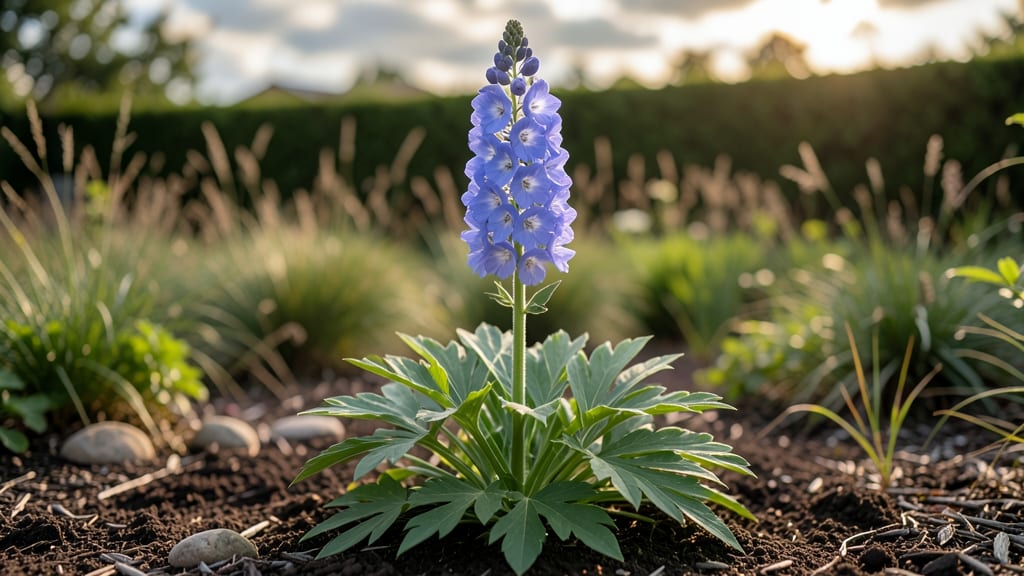
If you’ve ever wondered how tall larkspur grow, these vibrant flowers offer the perfect solution—their dramatic spikes can reach anywhere from 1 to 4 feet, depending on the variety and care you provide.
Picture this: 🌸Larkspur’s delicate spikes swaying in the breeze, their colors popping against a backdrop of greenery. But here’s the catch—without the right spacing and support, those elegant stems can flop or get lost in the shuffle.
The secret to showcasing their full potential lies in understanding how each type grows and how to give them room to shine.
From dwarf varieties that stay under 2 feet to giants that stretch toward the sky, larkspur offers options for every garden size.
Whether you’re planting along a fence, in a border, or even in containers, knowing the exact height of your chosen type will help you avoid common mistakes that lead to weak stems or crowded blooms.
Ready to transform your garden into a larkspur paradise? Let’s break down the heights by variety, spacing secrets, and the best ways to keep those stems sturdy—so you can enjoy months of eye-catching color without the hassle.


Larkspur height by variety: exact growth ranges for popular cultivars
Larkspur (Consolida ajacis and Delphinium elatum) is famous for its tall, dramatic spikes that add vertical interest to any garden. But not all varieties reach the same heights—some stay compact while others tower over 4 feet.
Knowing these differences helps you plan spacing, support structures, and ideal garden placements for stunning displays.
The mature height of larkspur depends on the variety, growing conditions, and even your USDA hardiness zone. For example, giant larkspur varieties can stretch toward 5 feet in perfect conditions, while dwarf types max out around 18 inches.
Let’s break down the exact height ranges for popular cultivars so you can choose the perfect fit for your space.
| Variety | Mature Height | Best For | Spacing Needs |
|---|---|---|---|
| Dwarf Larkspur ('Tom Thumb') | 12–18 inches | Containers, borders, cottage gardens | 6–8 inches apart |
| Semi-Dwarf ('Little Lark') | 24–30 inches | Cut flowers, mixed borders | 12–15 inches apart |
| Standard ('Queen Victoria') | 36–48 inches | Back of borders, cut flower gardens | 18–24 inches apart |
| Giant ('Pacific Giant') | 48–60 inches | Tall backgrounds, focal points | 24–30 inches apart |
| Delphinium 'Blue Bird' | 30–40 inches | Cut flowers, pollinator gardens | 18 inches apart |
If you’re growing larkspur in cooler climates (Zones 3–6), expect heights to lean toward the shorter end of the range. In warmer zones (7–9), varieties like 'Pacific Giant' may surpass 5 feet with proper care.
Always check the seed packet for specific variety notes, as some hybrid cultivars can vary.
Pro tip: Taller larkspur benefits from staking or trellises to prevent flopping, especially in humid climates where stems can become top-heavy with blooms. Use soft ties or bamboo stakes to support stems without damaging them.
For container gardening, stick to dwarf varieties like 'Tom Thumb'—they thrive in 5-gallon pots with proper drainage. Mix in compost-rich soil to encourage compact growth and prevent legginess.
Color also plays a role in height! Darker blooms (e.g., deep purples and blues) tend to grow slightly taller than pastel varieties, which often stay on the shorter side. This is due to differences in light absorption and energy allocation during flowering.
Remember, first-year growth is usually half the mature height. For example, a 'Pacific Giant' might only reach 2–3 feet its first year but will double in height by year two. Plan your garden layout accordingly to avoid overcrowding as plants mature.
🌸
Proper spacing secrets: how to prevent overcrowding in larkspur stems
Larkspur’s delicate yet sturdy stems need the right spacing to thrive. Crowding causes floppy stems and reduced airflow, which invites disease. The key is matching plant height to spacing distance—taller varieties need more room to avoid competition for nutrients and sunlight.
For dwarf larkspur (18–24 inches tall), space plants 6–8 inches apart. This gives them enough room to spread without leaning. Medium-height varieties (24–36 inches) should get 10–12 inches of space between stems to prevent overcrowding.
Here’s the golden rule for spacing: multiply the mature height by 0.25. For example, a 4-foot-tall larkspur needs 12 inches of spacing (4 x 0.25 = 1). This ensures sturdy stems and maximum bloom production.
🌱 Spacing Secrets for Larkspur Success
- Dwarf varieties (18–24"): 6–8" apart for compact clusters.
- Medium varieties (24–36"): 10–12" apart to prevent leaning.
- Tall varieties (36–48"): 12–18" apart for sturdy stems.
- Row spacing: 18–24" between rows for airflow and easy maintenance.
- Avoid overcrowding: Too little space = floppy stems and disease risk.
Another pro tip: plant larkspur in groups of 3–5 for a natural, full look. This creates a visual impact while keeping stems upright. If growing in containers, choose large pots (12+ inches wide) and limit to 1–2 plants per container to avoid competition.
Watch out for these common spacing mistakes: planting too close in windy areas (stems flop) or ignoring mature height when selecting varieties. Always check the seed packet for variety-specific spacing guidelines!
With the right spacing, your larkspur will thrive with tall, sturdy stems and abundant blooms all season long. Happy planting! 🌿