
Trees
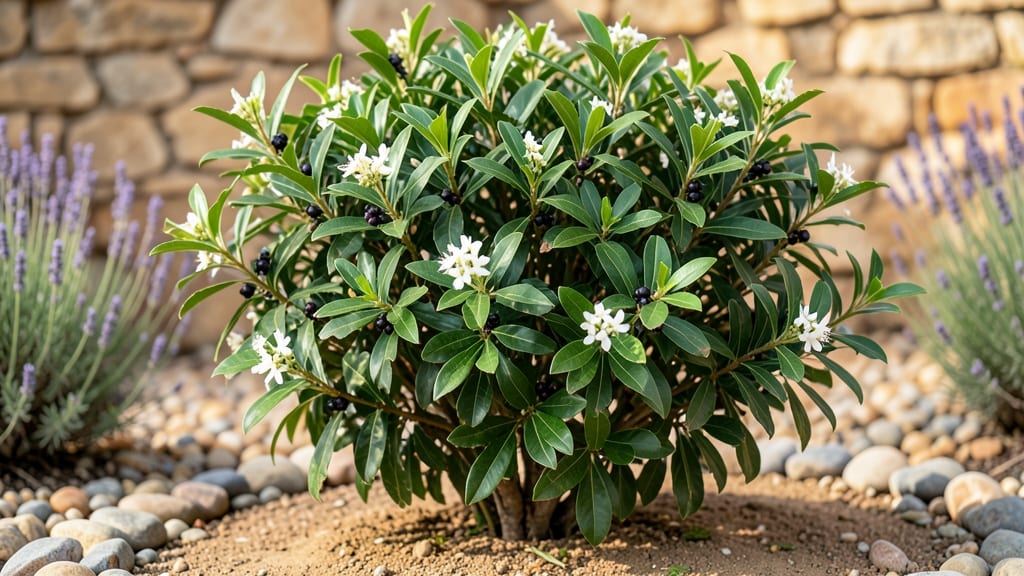
If you're wondering "how tall do myrtle trees grow", the answer might surprise you—these stunning 🌿 trees can range from compact shrubs to towering giants, depending on the variety.
Whether you're dreaming of a lush privacy screen or a charming small-garden centerpiece, understanding their growth potential is key to planning your landscape.
Some myrtle trees, like the delicate bay laurel, stay under 10 feet tall, making them perfect for cozy backyard corners or kitchen gardens. But others, such as the bold crepe myrtle, can shoot up to 30 feet or more, turning your yard into a verdant canopy.
The difference often comes down to species, climate, and how you care for them.
In this guide, I’ll break down the exact height ranges for popular myrtle varieties, share pruning secrets to control their growth, and help you decide which type fits your space.
Whether you’re working with limited room or a sprawling garden, you’ll find the perfect match—and the tools to keep it thriving.
Ready to transform your outdoor space? Let’s dive into the details so you can pick the perfect myrtle tree for your vision—without the guesswork.


Myrtle tree height by species: exact growth ranges and mature sizes
If you're planning your garden layout, knowing how tall myrtle trees grow is essential. The variety you choose can transform your space from a cozy backyard nook to a towering privacy screen.
Myrtle trees belong to the Myrtaceae family, and their heights vary dramatically—some stay under 3 feet, while others reach 30 feet or more. Let’s explore the most popular types and their growth potential.
The bay laurel (Laurus nobilis) is one of the most recognizable myrtle trees, often used in cooking and landscaping. At maturity, it typically grows between 10 to 20 feet, making it ideal for medium-sized gardens or as a focal point.
In warmer climates, it can even reach 30 feet with proper care. Its slow to moderate growth rate means it won’t overwhelm your space quickly, but it does require regular pruning to maintain its shape.
For smaller gardens, consider the dwarf bay laurel, a cultivar specifically bred to stay under 5 feet tall. This makes it perfect for container gardening, patio plantings, or as a low hedge.
Despite its compact size, it retains the same fragrant leaves and elegant appearance as its taller counterparts. If you love the look of bay laurel but lack space, this is your best bet.
Now, let’s talk about the crepe myrtle (Lagerstroemia), a standout in summer landscapes with its vibrant blooms. Crepe myrtles are fast growers and can reach heights of 15 to 25 feet, depending on the variety.
Some, like the 'Natchez' or 'Tonto' cultivars, grow even taller, making them excellent choices for privacy screens or large backyard accents. Their rapid growth means they can provide quick shade and visual interest.
| Variety | Mature Height | Growth Rate | Ideal Climate | Best For |
|---|---|---|---|---|
| Bay Laurel | 10–20 ft | Slow to Moderate | USDA Zones 7–10 | Kitchens, hedges, focal points |
| Dwarf Bay Laurel | 3–5 ft | Slow | USDA Zones 7–10 | Containers, patios, small gardens |
| Crepe Myrtle (Standard) | 15–25 ft | Fast | USDA Zones 6–9 | Privacy screens, large yards |
| Southern Wax Myrtle | 10–15 ft | Moderate | USDA Zones 7–10 | Wildlife habitats, windbreaks |
| Crape Myrtle 'Tonto' | 20–30 ft | Very Fast | USDA Zones 6–9 | Privacy, shade trees |
The southern wax myrtle (Morella cerifera) is another excellent option, especially if you’re looking to attract wildlife. This versatile tree typically grows between 10 to 15 feet tall and is drought-tolerant once established.
Its berries provide food for birds, and its evergreen foliage adds year-round interest. It’s perfect for coastal gardens or areas prone to dry spells.
If you’re in a cooler climate (USDA Zones 6–7), the crepe myrtle is a fantastic choice for its hardiness and stunning summer blooms. Varieties like 'Natchez' or 'Sioux' can reach 20 to 30 feet tall, making them ideal for creating a dramatic backdrop or a natural windbreak.
Their vibrant flowers come in shades of pink, purple, and white, adding a splash of color to your landscape.
For those with limited space, consider the myrtle shrubs, such as the dwarf myrtle (Myrtus communis '
How to control myrtle tree height: pruning techniques and growth hacks
Controlling the height of your myrtle tree starts with understanding its natural growth habits. Crepe myrtles, for example, can grow aggressively—adding 3 feet per year if left unchecked. Meanwhile, bay laurels grow more slowly, reaching their mature height over 5-10 years.
The key is strategic pruning combined with organic growth management to shape your tree without stunting its health.
For height control, focus on pruning in late winter or early spring, just before new growth begins. This timing ensures you remove unwanted branches while encouraging a strong flush of fresh foliage.
Avoid heavy pruning in fall or winter, as it can leave your tree vulnerable to disease and frost damage. Start with small adjustments—removing only 10-20% of the canopy per year—to maintain a natural shape.
🌿
| Pruning Technique | Best For | When to Do It | Growth Impact |
|---|---|---|---|
| Crown Thinning | Crepe myrtles, wax myrtles | Late winter | Reduces height by 30% |
| Selective Branch Removal | Bay laurels, dwarf varieties | Early spring | Slows height growth by 20% |
| Tip Trimming | Young trees, fast growers | Summer (June-July) | Encourages bushier growth |
| Root Pruning | Overgrown trees | Early spring | Reduces height by 15-25% |
If your myrtle tree is growing too fast, consider organic growth inhibitors like deep mulching with pine bark or wood chips. This slows root expansion, which in turn reduces the tree’s overall growth rate.
For aggressive growers like the 'Natchez' crepe myrtle, install a root barrier 18-24 inches deep to redirect roots and limit height gains. Pair this with balanced fertilization—avoid high-nitrogen feeds, which fuel rapid vertical growth.
For small-space gardening, dwarf varieties like 'Arapaho' crepe myrtle (max 6-8 feet) or 'Dwarf Bay Laurel' (max 4-5 feet) are ideal. These stay compact while offering the same stunning foliage and fragrance.
Even with dwarf types, prune lightly in late spring to maintain their shape and encourage dense branching. Regular pruning keeps them tidy and prevents them from outgrowing their space.
Remember, pruning for height control isn’t about hacking away at your tree—it’s about guiding its growth. Use sharp, clean tools to make cuts just above a leaf node, and always sterilize your pruners with rubbing alcohol to prevent disease.
With the right techniques, you can enjoy a myrtle tree that fits your space perfectly while thriving for decades.
🪴