
How To
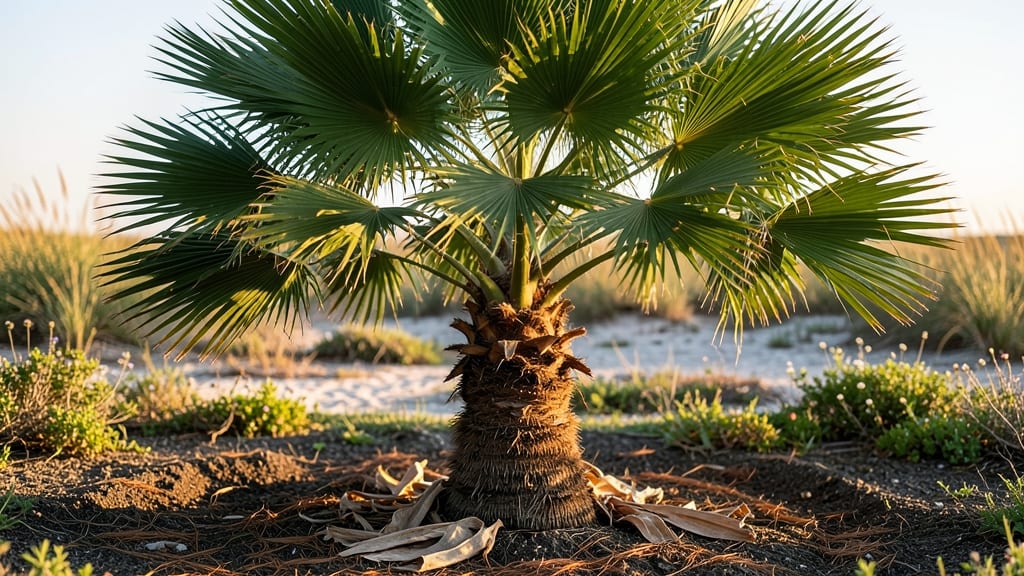
If you're curious about how tall do palmetto trees grow, the answer might surprise you—these iconic 🌴 trees can reach heights from 15 feet to towering over 60 feet in ideal conditions.
Whether you're planning a coastal landscape or just admiring their natural beauty, understanding their growth potential is key to making the right choices.
Native to the warm climates of the Southeastern U.S., like Florida and Georgia, Sabal Palmetto trees thrive in zones 7b-10a and can grow year-round with minimal care.
Their mature height depends on factors like soil quality, sunlight exposure, and even pruning habits—so knowing these details helps you decide whether they’re the right fit for your space.
What’s even more interesting is how their growth habits change with pruning. While some varieties naturally stay shorter, others can be managed to fit smaller yards without sacrificing their tropical charm. If you’re dreaming of a stunning, low-maintenance landscape feature, this is the perfect place to start.
Let’s break down the natural height ranges, growth rates, and smart landscaping tips to help you get the most out of your palmetto tree—whether it’s a bold statement piece or a subtle addition to your outdoor space.


Natural height range of palmetto trees: species breakdown and growth factors
Palmetto trees—especially the iconic Sabal palmetto—are known for their striking tropical appearance and impressive stature. In the wild, these trees can grow between 15 to 60+ feet, depending on the species and growing conditions.
Understanding these variations helps you plan your landscape design while ensuring your palmetto thrives in your climate.
The most common species, Sabal palmetto, typically reaches 20 to 30 feet tall in ideal conditions, with some specimens exceeding 40 feet in their native habitats like Florida’s coastal regions.
Meanwhile, the smaller Sabal minor (dwarf palmetto) maxes out around 10 to 15 feet, making it a better fit for smaller yards or container gardening.
Growth rates vary significantly. Young palmetto trees grow 1 to 2 feet per year in their first few years, accelerating to 3 to 5 feet annually once established. By year 10, a healthy Sabal palmetto can reach 15 to 20 feet, rivaling the height of a two-story house.
Their slow-to-moderate growth means patience is key if you’re aiming for a towering specimen.
Climate plays a major role in height potential. In USDA Zones 8-10, where palmetto trees are native, they thrive and reach their full height. However, in cooler zones like Zone 7b, growth may be stunted unless you provide protection from frost and ensure well-draining soil.
Poor soil quality or waterlogged conditions can also limit their height, while full sun exposure and nutrient-rich soil promote optimal growth.
| Species | Mature Height Range | Growth Rate (Annual) | Ideal Climate Zones | Key Notes |
|---|---|---|---|---|
| Sabal palmetto | 20–40 ft (wild), 15–30 ft (landscape) | 1–2 ft (young), 3–5 ft (mature) | USDA Zones 8–10 | Native to coastal SE U.S.; drought-tolerant. |
| Sabal minor (Dwarf Palmetto) | 10–15 ft | 6–12 inches (slow) | USDA Zones 7b–10 | Cold-hardy; great for small spaces. |
| Sabal etonia (Scrub Palmetto) | 10–20 ft | 1–2 ft (slow) | USDA Zones 7b–10 | Thorny; thrives in sandy soils. |
Soil type is another critical factor. Palmetto trees prefer well-draining, sandy loam soils, which mimic their native coastal habitats. Heavy clay soils can restrict root growth and limit height, while amended soil with organic matter encourages taller, healthier trees.
If you’re planting in a container, choose a large, deep pot with drainage holes to support their eventual height.
Sunlight is non-negotiable for maximizing height. Palmetto trees require 6+ hours of direct sunlight daily to reach their full potential. In shaded areas, growth slows dramatically, and the tree may remain stunted at 10 to 15 feet.
If you’re in a region with intense summer heat, partial afternoon shade can help protect young trees while still allowing them to grow tall over time.
In landscaping, palmetto trees are often pruned to control height, but unpruned specimens in ideal conditions can become stately focal points in large gardens or coastal properties.
For example, a 30-foot Sabal palmetto planted near a driveway creates a dramatic entrance, while dwarf varieties add tropical flair to patios or small yards without overwhelming the space.
If you’re planting near power lines or structures, consider the mature height of the species you choose. Sabal minor is a safe bet for tight spaces, while Sabal palmetto may require careful placement or regular pruning to avoid overgrowth.
Always check local regulations, as some areas restrict tall palm species near buildings.
For gardeners in cooler climates, microclimates matter. A south-facing wall or paved area can absorb heat and create a warmer microclimate, allowing palmetto trees to grow taller than they would in exposed locations.
Mulching around the base with organic matter also helps regulate soil temperature and moisture, further supporting healthy growth.
In summary, the height of your palmetto tree depends on the species, climate, soil, and sunlight. With the right conditions, these tropical beauties can become the centerpiece of your landscape, offering shade, texture, and year-round interest.
Whether you opt for a towering Sabal palmetto or a compact Sabal minor, understanding their growth potential ensures your investment pays off in both beauty and longevity.
Natural height range of palmetto trees: species breakdown and growth factors
Palmetto trees, like the iconic Sabal palmetto, are known for their striking tropical appearance and impressive stature. In their native habitats—such as Florida’s coastal regions—they can grow up to 60+ feet tall under ideal conditions.
However, most gardeners will encounter smaller varieties or controlled growth in cultivated settings. The height of your palmetto depends on species, climate, and care, so let’s break it down.
For example, the Sabal minor (dwarf palmetto) typically stays between 6 and 15 feet tall, making it a popular choice for smaller landscapes.
Meanwhile, the Sabal palmetto can reach 20 to 30 feet in the wild, though pruning and urban conditions often cap it at 15 to 25 feet. Understanding these differences helps you plan for the right species in your yard.
| Species | Mature Height (ft) | Growth Rate | Climate Suitability |
|---|---|---|---|
| Sabal palmetto | 15–30+ ft | Slow to moderate | Zones 7b–10a |
| Sabal minor | 6–15 ft | Moderate | Zones 7b–10a |
| Sabal etonia | 10–20 ft | Slow | Zones 8–10a |
Climate plays a huge role in how tall your palmetto grows. In coastal areas with high humidity, like South Carolina’s lowcountry, palmetto trees thrive and can reach their maximum height.
However, in drier inland regions, growth may slow, resulting in shorter, bushier trees. Full sun exposure (6+ hours daily) is critical—shady spots stunt growth and weaken the trunk.
Soil quality also affects height. Palmetto trees prefer well-draining, sandy soil with a slightly acidic pH (5.5–6.5). Compacted or waterlogged soil can restrict root development, limiting the tree’s ability to reach its full potential height.
If your soil is heavy clay, amending it with compost or sand can improve drainage and encourage healthier growth.
Another factor is age and growth rate. Young palmetto trees grow slowly—expect only 1–2 feet per year in their first decade. Once established (after 10+ years), growth accelerates, especially in optimal conditions.
For example, a 15-year-old Sabal palmetto might stand 10–15 feet tall, while a 50-year-old specimen could tower over 30 feet in the wild.
If you’re planting palmetto trees in a landscaping project, consider their mature size early. A 30-foot tree needs ample space to avoid overcrowding nearby structures or power lines. For smaller yards, Sabal minor is a great alternative—it stays compact while still offering the tropical aesthetic you love.
Finally, remember that pruning can control height without stunting the tree’s overall health. Regular maintenance removes dead fronds and encourages a fuller, more manageable shape. With the right care, your palmetto can become a stunning focal point—whether it’s a towering giant or a neatly pruned specimen.