
How To
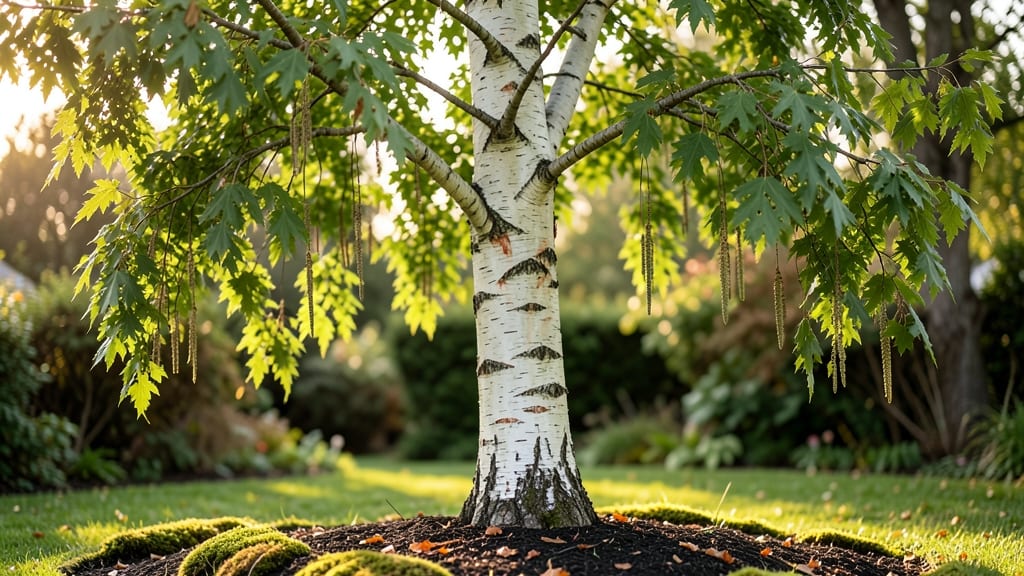
If you're wondering how tall does a River Birch Tree grow, the answer might surprise you—this striking 🌳 can reach heights of 30 to 50 feet at maturity, making it a true statement piece for your landscape.
Whether you're drawn to its peeling bark or its graceful branches, knowing its growth potential helps you plan your yard with confidence.
Not all River Birch varieties grow the same, though. Some stay more compact, while others shoot up like skyscrapers, so choosing the right type for your space is key. I’ll break down the exact height ranges for popular cultivars and what you can expect as they mature over time.
Growth speed also varies—some varieties grow 2 to 3 feet per year in ideal conditions, while others take their time. Understanding these factors helps you decide if a River Birch is the right fit for your garden or if you’ll need to manage its height with pruning.
Ready to learn how to pick the perfect variety and keep it looking its best? Let’s dive into the details so you can enjoy this beautiful tree without any surprises down the road.


River birch tree height by variety: exact mature sizes compared
River birch trees (Betula nigra) are prized for their peeling cinnamon bark and golden fall foliage, but their mature height varies dramatically by variety. Some cultivars reach heights comparable to a three-story building, while others remain manageable for smaller landscapes.
Understanding these differences helps you choose the perfect tree for your space and aesthetic goals.
Before selecting a variety, consider your yard size and neighboring structures. A 50-foot tree planted too close to a house can become a maintenance nightmare, while a 30-foot variety might feel underwhelming in a large property.
I’ve planted river birches in both urban and rural settings, and the right choice depends on your specific conditions and long-term vision for the landscape.
Here’s a breakdown of the most popular river birch varieties and their typical mature heights, along with key characteristics to help you decide. This comparison includes growth rates, spread, and ideal planting distances to avoid overcrowding.
The Heritage® and Fox Valley® varieties are my top recommendations for smaller yards because they stay under 40 feet tall while still delivering the iconic river birch look. I planted a Heritage® in my suburban front yard, and it now provides ample shade without overwhelming the space.
In contrast, the Dura-Heat® and Royal Frost® varieties are better suited for rural properties where their
River birch tree height by variety: exact mature sizes compared
When choosing a river birch tree, height varies dramatically by variety—some stay under 30 feet while others tower over 50 feet. The standard Betula nigra typically reaches 30 to 50 feet at maturity, but specific cultivars offer more controlled options for smaller spaces.
For example, the 'Heritage' variety stays between 30 and 40 feet, making it ideal for medium-sized yards.
If you're working with limited space, consider 'Crimson Frost', which maxes out around 35 feet but delivers stunning white bark with pinkish tints. Another compact option is 'Dura-Heat', a disease-resistant cultivar that grows 30 to 40 feet while thriving in hotter climates.
Each variety also has a distinct spread width, typically 30 to 40 feet, so plan accordingly for a balanced landscape.
Here’s how these popular varieties compare in terms of mature height and growth habits:
| Variety | Mature Height | Growth Rate | Best For |
|---|---|---|---|
| Heritage | 30–40 ft | 2–3 ft/year | Medium yards, shade |
| Crimson Frost | 30–35 ft | 1.5–2.5 ft/year | Color contrast, small spaces |
| Dura-Heat | 30–40 ft | 2–3 ft/year | Hot climates, disease resistance |
| Standard (Wild Type) | 40–50 ft | 3–4 ft/year | Large properties, natural landscapes |
Choosing the right variety isn’t just about height—it’s also about growth rate and climate adaptability. For instance, 'Dura-Heat' grows faster in heat-tolerant zones (USDA 5–9), while 'Heritage' adapts well to cooler regions. Always check your local USDA hardiness zone to ensure the variety you pick will thrive long-term.
Pro tip: If you’re unsure about a variety’s growth potential, consult your local nursery or extension office—they can provide insights based on your specific soil type and microclimate. For example, sandy soils may slow growth, while loamy soils encourage faster height increases.
Once you’ve picked your river birch, remember that proper spacing is key. Plant at least 20 feet from structures or other trees to avoid root competition and ensure healthy growth. With the right variety and care, your river birch will become a stunning focal point for decades to come.