
Trees
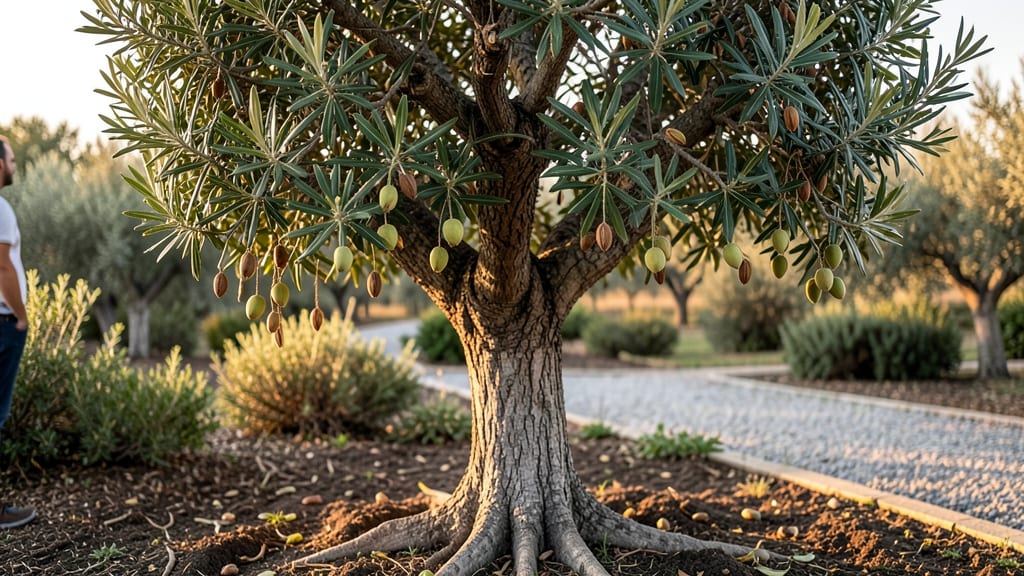
If you're wondering how tall do pistachio trees grow, the answer might surprise you—these 🌳 beauties can reach heights of 20 to 40 feet at maturity, making them a serious commitment for any backyard.
While their towering stature might seem intimidating, the good news is that with the right variety and care, you can manage their growth to fit your space.
Most pistachio trees fall into the 20-30 foot range, but some varieties can stretch even taller, especially in ideal climates like Zones 7-10.
Whether you're dreaming of a shady canopy or a productive orchard, understanding their growth patterns is key to planning your landscape—or even deciding if they’re the right fit for your garden.
Pruning plays a huge role in keeping these trees in check, and spacing them properly from the start can prevent overcrowding. If you're working with limited space, we’ll also explore alternatives like semi-dwarf options (though true dwarf pistachios are rare) and other nut trees that might suit your needs better.
Ready to learn how to nurture a pistachio tree that thrives without taking over your yard? Let’s break down the heights, care tips, and spacing secrets so you can grow one that works for you.


Pistachio tree height by variety: mature sizes compared
Pistachio trees are tall, majestic plants that can reach impressive heights, but their mature size varies dramatically by variety. Most standard pistachio trees grow between 20 and 40 feet, with some reaching heights of 50 feet in ideal conditions.
Understanding these differences helps you choose the right variety for your space and climate.
For home gardeners, Kerman and Peters are the most popular varieties, both known for their 25-35 foot mature height. These varieties thrive in USDA Zones 7-10 and require full sun and well-draining soil.
If you're working with limited space, you might consider grafted varieties or specialized rootstocks that can influence height.
Here’s a quick comparison of the most common pistachio varieties and their mature heights:
| Variety | Mature Height (ft) | Rootstock Influence | Best For |
|---|---|---|---|
| Kerman | 25-35 ft | Standard rootstock | Commercial orchards, large gardens |
| Peters | 30-40 ft | Standard or semi-dwarf rootstock | High-yield nut production |
| Golden Hills | 20-30 ft | Dwarfing rootstock | Small orchards, urban gardens |
| Aegina | 35-50 ft | Standard rootstock | Commercial plantations |
The rootstock you choose plays a critical role in determining your tree’s height. Standard rootstocks like Pistacia atlantica or Pistacia terebinthus encourage taller growth, while dwarfing rootstocks (though rare for pistachios) can reduce height by up to 30%.
If you’re planting in a residential area, opting for a slightly smaller variety like Golden Hills can save space without sacrificing yield.
Another key factor is pruning habits. Regular pruning can influence both the height and shape of your pistachio tree. For example, open-center pruning encourages a wider canopy but may allow the tree to grow taller, while vase-shaped pruning keeps the tree more compact.
If you’re growing pistachios in a small garden, pruning is essential to manage height and improve air circulation.
For young pistachio trees, growth is rapid in the first few years. Expect your tree to reach 3-5 feet in its first year, 6-10 feet by year two, and 12-18 feet by year three.
By year five, most varieties will start to resemble their mature height, so planning ahead is crucial if you’re working with limited space.
If you’re growing pistachios in containers or urban settings, consider that even semi-dwarf varieties (like grafted Golden Hills) will still reach 15-20 feet at maturity. This makes them unsuitable for most patios or balconies, but they can work in larger yards or community gardens with proper spacing.
One common misconception is that pistachio trees grow slowly. In reality, they’re fast-growing in ideal conditions, especially when young. This rapid growth means you’ll need to plan for their eventual height early on.
If you’re unsure about your tree’s potential size, consult a local nursery or extension service for variety-specific advice tailored to your climate.
For those in cooler climates (Zones 6-7), growth may be slower due to shorter growing seasons, but with proper care, pistachio trees can still reach their full height over time.
The key is to protect young trees from frost and ensure they get enough sunlight and water during their formative years.
In summary, pistachio trees are tall, long-lived plants that require careful planning if you want to grow them in a home garden. Choosing the right variety, rootstock, and pruning strategy will help you manage their height and enjoy a bountiful harvest for decades to come. 🌳
Optimal spacing and pruning for controlling pistachio tree growth
Pistachio trees may reach 20–40 feet tall, but their growth can be managed with proper spacing and pruning. In commercial orchards, trees are spaced 10–20 feet apart to ensure airflow and sunlight penetration.
For home gardens, consider semi-dwarf varieties or aggressive pruning to keep them more compact while maintaining productivity.
Young pistachio trees grow 3–5 feet yearly, so early pruning sets the foundation for a manageable height. Focus on removing suckers and water sprouts—these compete for nutrients and encourage vertical growth.
Use a vase-shaped pruning method to promote a balanced canopy, which also improves nut yield by directing energy to fruit production.
- Prune in late winter: Remove dead/diseased branches before buds swell.
- Thin out dense areas: Aim for 12–18 inches between branches for airflow.
- Avoid topping: Cutting the top can stimulate excessive regrowth.
- Use sharp tools: Clean cuts heal faster and reduce disease risk.
Spacing isn’t just about height—it’s critical for nut production. Trees spaced 15–20 feet apart produce higher-quality nuts because they receive adequate sunlight and air circulation.
In smaller spaces, opt for dwarf rootstock (though true dwarf pistachios are rare) or prune aggressively to maintain a 10–15-foot height while still yielding nuts.
For young trees (under 5 years), prioritize structural pruning to train the trunk and scaffold branches. This prevents weak limbs that could snap under nut weight.
As the tree matures, shift to fruitwood management, thinning branches to improve light penetration to the center of the canopy—where most nuts form.
If you’re working with limited space, consider container growing for young trees (though pistachios are not ideal for long-term pots). Use a large, well-draining pot and prune roots annually to keep the tree under 10 feet tall. However, expect reduced nut production compared to field-grown trees.
Regular pruning also minimizes pest and disease risks by improving airflow. Remove any branches rubbing together, as these create entry points for pathogens. With consistent care, you can keep a pistachio tree at a manageable height while still enjoying a bountiful harvest.