
How To
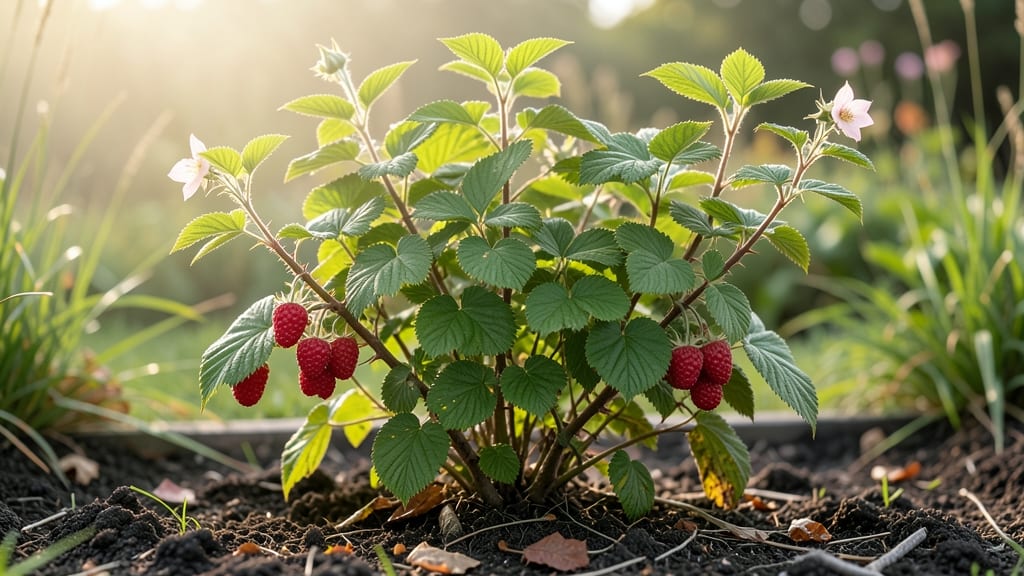
If you're wondering how tall do raspberry bushes grow, the answer might surprise you—these 🍇 shrubs can stretch from compact 3-foot dwarfs to towering 8-foot giants, depending on the variety and care you provide.
Whether you're working with a small backyard or a sprawling garden, understanding their growth habits is key to keeping them manageable while maximizing those sweet berries.
Not all raspberries are created equal when it comes to height. Summer-bearing varieties like 'Heritage' often reach their full 6-8 feet potential, while remontant types (like 'Boyne') may stay slightly shorter but produce fruit multiple times a season.
The good news? With the right pruning techniques, you can easily keep them under 6 feet—even if their natural growth leans toward the taller side.
What you might not realize is that soil quality, sunlight exposure, and even your pruning habits play a huge role in how tall your raspberries become. For example, well-drained soil and full sun encourage vigorous growth, while overcrowding or improper pruning can lead to unruly, leggy canes.
The key is balancing their natural tendencies with smart garden management.
Ready to take control? I’ll walk you through the best pruning strategies to keep your bushes at your ideal height—whether that’s a neat 4-foot hedge or a slightly taller, more productive plant. Let’s get those 🍇 bushes under control without sacrificing those juicy berries!


Raspberry bush height by variety: from dwarf to giant-growing types
Raspberry bushes come in a stunning range of heights, from dwarf varieties that stay under 4 feet to towering 8-foot giants. The difference often comes down to whether you're growing summer-bearing or fall-bearing (remontant) types—and even the specific cultivar.
Understanding these variations helps you plan your garden layout and control growth effectively.
Let's break down the height ranges by popular varieties. Summer-bearing raspberries like 'Heritage' typically reach 6-8 feet at maturity, while remontant types such as 'Boyne Gold' often stay slightly shorter at 5-7 feet. Thornless varieties like 'Heritage' or 'Caroline' also follow similar height patterns, making them great for smaller spaces.
For gardeners with limited space, dwarf varieties like 'Tulameen' (summer-bearing) or 'Fall Gold' (remontant) are excellent choices, maxing out around 3-5 feet. These compact options produce just as many berries per square foot while requiring 30% less vertical space than standard varieties.
Here's a quick comparison of how these varieties stack up in terms of mature height and space needs:
| Variety Type | Height Range | Space Needs | Notes |
|---|---|---|---|
| Summer-Bearing (Heritage) | 6-8 ft | 3-4 ft wide | Classic variety, tall canes |
| Remontant (Boyne Gold) | 5-7 ft | 3-4 ft wide | Produces berries twice/year |
| Dwarf (Tulameen) | 3-5 ft | 2-3 ft wide | Ideal for containers |
| Thornless (Caroline) | 5-7 ft | 3-4 ft wide | Easier harvesting |
When selecting varieties, consider your garden's vertical space and horizontal spread. A 6-foot-tall raspberry bush needs at least 3 feet of clearance above it for proper air circulation and sunlight penetration. If you're growing near a fence or trellis, choose dwarf varieties to avoid shading out other plants.
For container gardening, remontant varieties like 'Fall Gold' thrive in 15-gallon pots and stay under 5 feet tall. These compact options are perfect for balconies or small patios, producing berries twice per season without taking over your space.
One key factor influencing height is the pruning strategy you use. Summer-bearing varieties benefit from aggressive winter pruning, while remontant types require more selective pruning to encourage multiple harvests. We'll cover these techniques in detail in the next section to help you keep your bushes at your desired height.
Remember, soil quality and watering consistency also play roles in determining how tall your raspberries grow. Well-draining soil with compost enrichment promotes healthier, more controlled growth patterns. Aim for 1-2 inches of water per week during the growing season to prevent excessive height spikes.
If you're planning a raspberry trellis system, account for the mature height of your chosen variety. A 7-foot-tall trellis works well for standard varieties, while 5-foot trellises suffice for dwarfs. This vertical support not only controls height but also improves berry quality by keeping canes upright and accessible.
For gardeners in USDA Zones 5-8, where raspberries thrive, winter hardiness also affects height. Cold-hardy varieties like 'Nova' or 'Boyne' grow more vigorously in cooler climates, potentially reaching their full height range more quickly than heat-sensitive types.
Pruning techniques to control raspberry bush height (step-by-step guide)
Controlling your raspberry bushes' height starts with smart pruning. The key is understanding when and how to prune based on your variety—whether it's summer-bearing or fall-bearing. With the right techniques, you can keep those canes at a manageable 5-6 feet instead of letting them reach 8+ feet unchecked.
Let's break down the essential steps.
First, identify your raspberry type. Summer-bearing varieties produce fruit on second-year canes (floricanes), while fall-bearing (remontant) types fruit on both first-year (primocanes) and second-year canes.
This difference changes your pruning approach completely. For example, heritage varieties need aggressive winter pruning, while remontant types like 'Heritage' benefit from summer thinning.
🌱 Visual Guide: Pruning Tools You'll Need
Here's your step-by-step pruning schedule to maintain height:
- Step 1: Winter Pruning (Late Winter) - Remove all dead, diseased, or weak canes at ground level. For summer-bearing types, cut out last year's fruited canes entirely. Leave only the strongest 5-7 canes for next year's fruit.
- Step 2: Summer Thinning (June-July) - Thin out crowded canes to improve air circulation. Remove any canes growing at odd angles or crossing others. Aim to space canes 6-8 inches apart.
- Step 3: Post-Harvest Pruning (Fall) - For remontant varieties, prune lightly after harvest to encourage new growth. Remove any canes that fruited poorly or show signs of disease.
- Step 4: Annual Maintenance - Throughout the growing season, remove any suckers growing from the base. These compete with main canes for nutrients and can make your bush grow uncontrollably.
The timing of your pruning makes all the difference. Prune summer-bearing varieties in late winter when the plant is dormant. For remontant varieties, you'll need both winter and summer pruning sessions.
Always prune on a dry day to prevent disease spread, and sterilize your tools with rubbing alcohol between cuts.
Remember that raspberry canes grow 2-3 feet per season under ideal conditions. With consistent pruning, you can keep even the tallest varieties like 'Boyne' at a manageable height while still enjoying a bountiful harvest.
The key is patience—don't remove too many canes at once, or you'll sacrifice next year's fruit production.
Pro tip: Mark your pruning dates on your garden calendar. I keep a small stake near my raspberry patch with the pruning schedule written on it—it's saved me from missing critical pruning windows more than once!
With these techniques, you'll have happy, healthy raspberry bushes that stay within your garden's boundaries while still producing pounds of delicious berries each season. 🍇