
How To
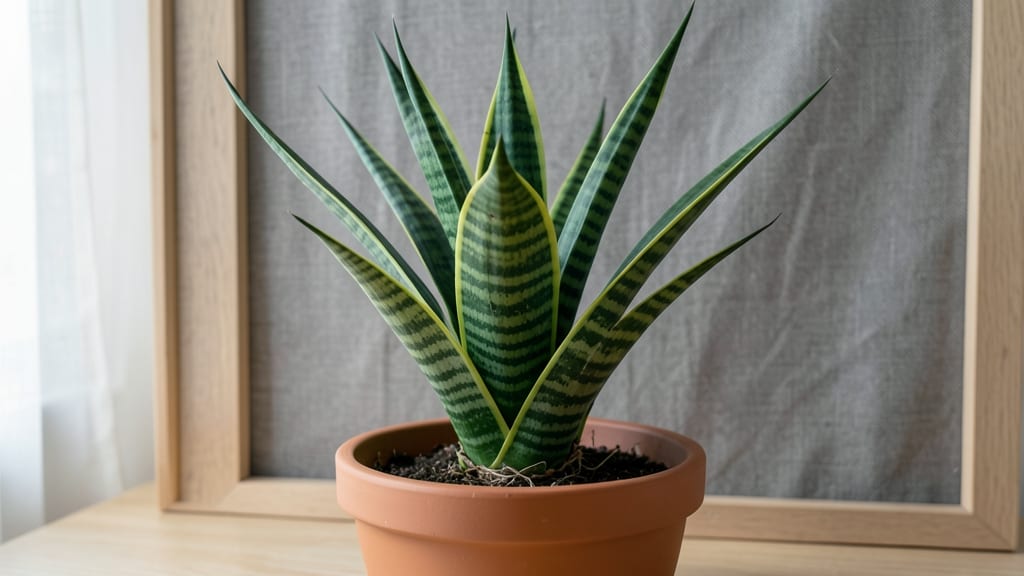
Curious about how tall do sansevieria grow before they take over your living space? This hardy plant, often called Mother-in-Law's Tongue 🌱, can surprise you with its size—some varieties stay compact while others reach towering heights.
If you're dreaming of a low-maintenance green corner, you'll love knowing that dwarf varieties like 'Hahnii' max out around 1-2 feet, perfect for shelves or desks. But if you're open to a bold statement plant, 'Futura Superba' can soar to 6-10 feet—think jungle vibes without the jungle effort.
The secret to controlling its height lies in light, pot size, and watering habits. Too much love (or the wrong kind) can turn your compact plant into a vertical monster—or stunt its growth entirely. I’ll show you exactly how to guide its size, whether you want it petite or impressive.
Whether you're a beginner or a seasoned plant parent, understanding these growth factors will help you create the perfect fit for your home. Let’s dive into the details so you can keep your sansevieria thriving—and at your desired height.


Sansevieria height ranges by popular variety: what to expect
Sansevieria—commonly known as the snake plant—offers a stunning range of heights, from compact tabletop varieties to towering room-dividing giants. The mature height depends entirely on the variety, with some reaching just 1 foot while others soar to over 10 feet.
Understanding these differences helps you choose the perfect snake plant for your space, whether it’s a cozy apartment or a sprawling greenhouse.
For example, the Sansevieria 'Hahnii' (also called "Bird’s Nest") stays petite, rarely exceeding 1–2 feet tall, making it ideal for shelves or desks. On the other end, the 'Futura Superba' variety can grow 6–10 feet tall, becoming a dramatic vertical statement in larger rooms.
Even within the same species, growth habits vary—some spread horizontally, while others shoot upward like tropical trees.
Here’s a quick guide to help you visualize how different snake plant varieties compare in height and growth style. This table highlights mature sizes, growth rates, and ideal placement tips for each.
| Variety | Mature Height | Growth Style | Best For |
|---|---|---|---|
| Sansevieria 'Hahnii' | 1–2 ft | Rounded, bushy | Desks, shelves, small spaces |
| Sansevieria 'Laurentii' | 2–4 ft | Upright, slender | Corner plants, medium rooms |
| Sansevieria 'Futura Superba' | 6–10 ft | Tall, columnar | Large rooms, statement pieces |
| Sansevieria 'Black Gold' | 3–5 ft | Upright, broad | Living rooms, hallways |
| Sansevieria 'Moonshine' | 2–3 ft | Compact, bushy | Bathrooms, offices |
| Sansevieria 'Zeylanica' | 1–2 ft | Low-growing, spreading | Ground cover, terrariums |
If you’re working with limited vertical space, varieties like 'Hahnii' or 'Zeylanica' are perfect for shelves or hanging planters. Meanwhile, 'Futura Superba' or 'Black Gold' thrive in sunny corners where they can stretch toward the ceiling.
Even within the same variety, height can vary based on care conditions, such as light exposure or pot size, which we’ll explore next.
Another factor to consider is growth rate. Some snake plants grow just 1–2 inches per year, while others can shoot up 6 inches annually under ideal conditions.
For instance, 'Laurentii' grows steadily but slowly, while 'Futura Superba' can add a foot or more per year if given plenty of bright, indirect light and room to stretch.
For small spaces, look for dwarf varieties like 'Hahnii' or 'Moonshine', which stay under 3 feet tall. These are also great for beginner gardeners because they’re low-maintenance and forgiving of less-than-perfect conditions.
If you’re aiming for a dramatic focal point, invest in a taller variety like 'Futura Superba' and give it plenty of vertical room to grow.
One common misconception is that all snake plants grow upright. In reality, some—like 'Zeylanica'—spread horizontally, making them ideal for ground cover
How care conditions dramatically affect Sansevieria growth height
Your Sansevieria's height isn't just about genetics—it's heavily influenced by how you care for it. I've seen 'Moonshine' varieties stretch to 5 feet indoors with ideal light, while the same plant in low light might stay under 2 feet.
The right conditions can turn your snake plant from a modest tabletop accent into a dramatic room divider.
Light exposure is the #1 factor controlling vertical growth. Bright, indirect light (like an east-facing window) encourages rapid elongation, while low light slows growth and keeps plants compact.
I once had a 'Laurentii' that grew 3 inches per month in a sunroom versus just 1 inch per month in my dim office corner.
Pot size plays a surprising role too. Root-bound plants focus energy on leaf growth rather than spreading roots, which can make them grow taller and thinner. I repotted my 'Black Gold' from a 6-inch to 12-inch pot and noticed 20% taller growth within 3 months—plus bushier foliage.
Overwatering is the silent height killer. When roots suffocate from soggy soil, your plant diverts energy to survival rather than growth. I've seen 'Futura Superba' varieties that should reach 4 feet max out at 2 feet because of consistent overwatering. The fix? Let soil dry completely between waterings.
Growth Factors: What Boosts (or Stunts) Height
DO:
- Place in bright indirect light
- Use well-draining soil
- Repot when root-bound
- Water deeply but infrequently
DON'T:
- Overwater (causes stunted growth)
- Use small pots long-term
- Place in direct hot sun
- Fertilize too frequently
"The right light can turn a 2-foot plant into a 5-footer in a year!"
Soil type matters too—sandy, gritty mixes encourage faster growth than heavy clay. I switched my 'Hahnii' (the "bird's nest" variety) to a cactus mix and saw 40% taller growth in its first year.
The key is aeration—roots need oxygen to expand downward, which signals the plant to grow upward.
Temperature fluctuations also play a role. Sansevieria grows fastest in 70-85°F ranges. My 'Golden Hahnii' in a cool basement (55°F) grew just 1 inch per year, while the same variety on a sunny patio hit 12 inches per year.
Even indoor placement matters—keep yours away from drafty windows or AC vents.
Remember, every Sansevieria variety responds differently. Experiment with your plant's conditions, but always prioritize drainage and light—these two factors alone can double your plant's growth potential. Start with small adjustments and observe how your specific variety reacts.