
Trees
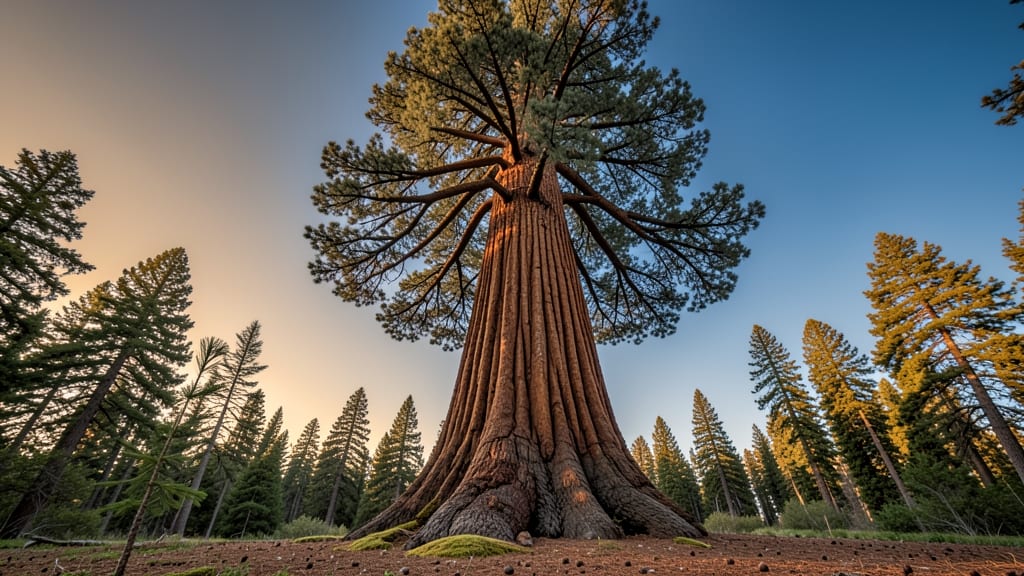
If you’ve ever wondered how tall do sequoia trees grow, the answer might just blow your mind—these towering giants can stretch over 350 feet, making them some of the tallest living things on Earth. 🌲 Whether you're dreaming of planting one in your backyard or simply fascinated by nature’s skyscrapers, understanding their growth habits is key.
There are two main types of sequoias: the Coast Redwood and the Mountain Sequoia, each with its own impressive height records. While both can reach staggering heights, their growth rates and ideal conditions differ.
If you're curious about how these trees defy gravity—or how you might cultivate one—you’re in the right place.
Growing a sequoia isn’t just about space; it’s about patience and the right conditions. From well-drained soil to full sun exposure, these giants need specific care to thrive.
Let’s break down what it takes to nurture one of nature’s most majestic trees, whether you’re aiming for a full-sized giant or a smaller variety.
In this guide, you’ll discover the secrets behind their incredible heights, how long it takes for them to grow, and tips for growing sequoias in your own outdoor space. Ready to learn how to cultivate these living monuments? Let’s get started.


Coast Redwood vs mountain sequoia: record heights and growth secrets
When you imagine the world’s tallest trees, your mind likely jumps to the Coast Redwood (Sequoia sempervirens), the undisputed champion of height. But did you know its cousin, the Mountain Sequoia (Sequoiadendron giganteum), holds its own with sheer girth?
While they share the same family, their growth habits couldn’t be more different. Let’s dive into how these giants reach their staggering heights—and why one thrives in foggy coastlines while the other dominates high-elevation forests.
The Coast Redwood isn’t just tall—it’s the tallest tree on Earth, with the record holder, Hyperion, stretching a mind-boggling 380 feet (115.8 meters) into the sky. That’s taller than a 30-story building!
Meanwhile, the Mountain Sequoia may not compete in height, but it wins in sheer bulk, with some specimens boasting 275-foot heights and trunks wide enough for a family of four to stand inside. Their differences start with their native habitats.
| Feature | Coast Redwood | Mountain Sequoia |
|---|---|---|
| Max Recorded Height | 380 ft (Hyperion) | 275 ft (General Sherman) |
| Native Habitat | Coastal California fog belts | High-elevation Sierra Nevada |
| Growth Rate (Annual) | 3-4 ft per year (young) | 1-2 ft per year (slow) |
| Soil Preference | Acidic, well-drained | Neutral to alkaline |
| Climate Needs | Cool, humid, foggy | Cold winters, dry summers |
| Lifespan | 1,200-2,200 years | 3,000+ years |
The Coast Redwood’s rapid growth is fueled by the marine layer fog that blankets its coastal home. This natural mist provides constant moisture, allowing young trees to shoot up 3-4 feet per year in ideal conditions.
In contrast, Mountain Sequoias grow slower—just 1-2 feet annuallydry summers and freezing winters. Their secret weapon? Thick, fire-resistant bark that protects them from wildfires, a common threat in their native Sierra Nevada range.
If you’re dreaming of growing a sequoia in your backyard, location is everything. Coast Redwoods need coastal climates with high humidity, while Mountain Sequoias thrive in USDA Zones 5-8 with well-drained soil and full sun exposure.
Both despise waterlogged roots, so planting them on a slight slope or in raised beds can mimic their natural conditions. Pro tip: Mulch heavily to retain moisture and regulate soil temperature.
One surprising fact about these giants? Their roots aren’t as deep as you’d expect. While they develop extensive lateral root systems to anchor their towering trunks, they rarely exceed 6-8 feet deep.
This makes them more vulnerable to windthrow in exposed areas. To protect your sequoia, plant it at least 50 feet from structures and stake young saplings until their roots establish.
Now, let’s talk growth hacks. While you can’t magically accelerate a sequoia’s growth, you can optimize conditions. Prune selectively to encourage a strong central leader (the main upward-growing branch), and avoid over-fertilizing—these trees are slow growers by nature.
Instead, focus on watering deeply but infrequently (once every 10-14 days for established trees) and providing organic matter like compost to feed their roots over time.
Fun fact: The world’s oldest known sequoia, a Mountain Sequoia named Methuselah, is over 4,800 years old! While your homegrown sequoia won’t live that long, it can still reach 100 feet in 50-100 years with the right care. That’s a lifetime investment in a living monument.
So, which sequoia should you grow? If you live near the coast and want a fast-growing skyscraper, the Coast Redwood is your pick. For a hardy, long-lived giant that thrives inland, the Mountain Sequoia steals the show. Either way, you’re planting a piece of history—one that will outlive generations.
Ready to start your own sequoia journey? Grab a bare-root sapling in late spring, find
How long does it take for sequoias to reach their full height?
If you’ve ever dreamed of growing a sequoia tree in your backyard, you might be wondering how long it takes for these giant trees to reach their full height. The truth is, sequoias grow slowly—but their journey from seedling to skyscraper is nothing short of magical.
Let’s break down the timeline and what you can expect along the way.
In their first 10 years, sequoias grow surprisingly fast—reaching 10 to 20 feet tall. This early growth phase is when they establish their root systems and thick trunks. However, as they mature, their growth rate slows dramatically.
By 50 years old, a sequoia might only be 100 feet tall, and it could take 500 to 1,000 years to reach their full height of 200 to 350 feet.
Here’s the catch: human intervention can slightly speed up growth, but these trees are built for patience. Providing well-drained soil, full sun exposure, and deep watering in their early years helps them grow stronger and faster.
However, even with ideal conditions, their growth remains slow compared to other trees.
🌲 Sequoia Growth Timeline
- 1-10 years: 1-20 ft – Rapid early growth with thick trunk development.
- 20-50 years: 20-100 ft – Growth slows; roots expand deeply.
- 50-100 years: 100-150 ft – Canopy begins to form; branches spread.
- 200-500 years: 150-250 ft – Slow, steady growth; trunk thickens.
- 500+ years: 250-350+ ft – Mature height achieved; growth nearly stops.
💡 Pro Tip: Young sequoias benefit from mulching to retain moisture and protect roots.
One of the most fascinating aspects of sequoia growth is their longevity. Some of these trees live for over 2,000 years, continuing to grow—albeit very slowly—throughout their lives.
Their thick, fire-resistant bark and deep roots allow them to thrive in harsh conditions, making them one of nature’s most resilient giants.
If you’re considering planting a sequoia, remember that patience is key. While you won’t see a 300-foot-tall tree in your lifetime, watching it grow even just 10 feet in a decade is incredibly rewarding. Plus, their majestic presence adds unmatched grandeur to any landscape.
For those eager to see faster results, consider planting a young sapling in a location with optimal sunlight and well-draining soil. Over time, your sequoia will become a living monument—one that future generations can admire. 🌳