
Plants
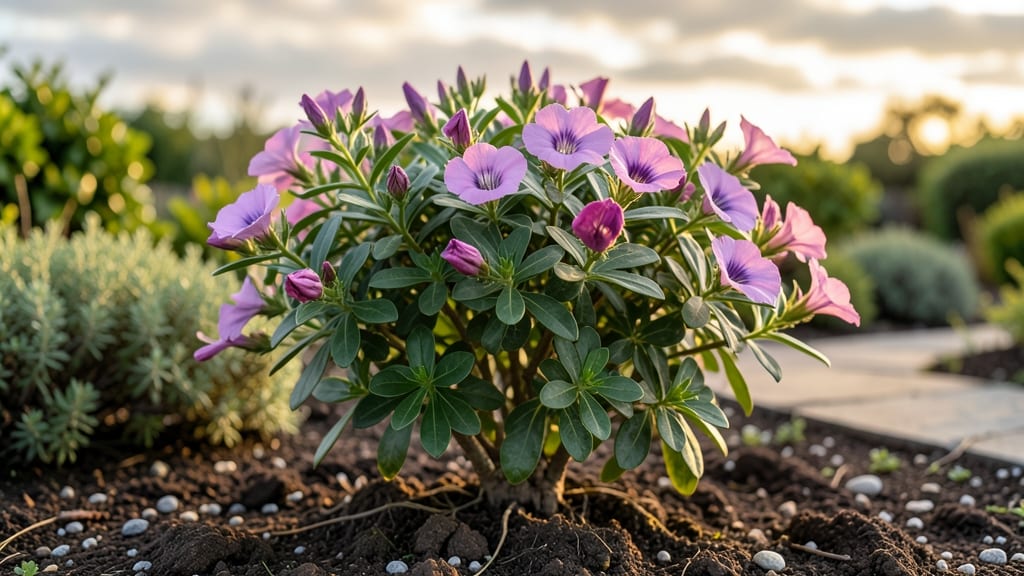
Natural vinca plant height and spreading habits: what to expect
Vinca plants are famous for their low-growing, sprawling habit, but their exact size depends on the variety and growing conditions.
Most vincas—like the popular Vinca minor and Vinca major—typically reach a mature height of 6 to 12 inches, but their real claim to fame is their horizontal spread, which can stretch 18 to 36 inches under ideal conditions.
If you’ve ever planted vinca and watched it spread aggressively, you’re not alone! These plants are natural ground covers, designed to fill space quickly. Their sprawling growth habit makes them perfect for slopes, borders, or areas where you want to suppress weeds while adding vibrant color.
The key to managing vinca’s size lies in understanding its two main growth phases. In spring and early summer, vinca focuses on leafy growth, while late summer to fall is when it puts energy into flowering and spreading.
This seasonal pattern explains why some gardeners see rapid expansion in warmer months.
Here’s how different vinca varieties compare in size and spread:
| Variety | Mature Height | Spread | Growth Notes |
|---|---|---|---|
| Vinca minor (Periwinkle) | 6–12 inches | 18–36 inches | Fast-spreading, great for shade |
| Vinca major | 12–24 inches | 36–48 inches | Taller, more upright growth |
| 'Illumination' Series | 6–12 inches | 12–24 inches | Compact, colorful foliage |
| 'Silver Showers' | 8–12 inches | 24–36 inches | Silver foliage, moderate spread |
If you’re growing vinca in containers, expect slightly more compact growth—typically 6 to 12 inches tall—but the spread will still be active unless you prune regularly.
In ground beds, vinca can easily double its spread if left unchecked, which is why many gardeners use edging or barriers to contain it.
Sunlight plays a huge role in vinca’s growth. While they thrive in partial shade, full sun encourages more vigorous spreading and brighter blooms. If your vinca seems leggy or sparse, it might need more sunlight to reach its full potential.
Soil conditions also matter. Vinca prefers well-draining, slightly acidic soil (pH 6.0–7.0). Heavy clay or waterlogged soil can stunt growth, while amended soil with compost promotes healthier, more robust plants that spread as intended.
One common misconception is that vinca grows vertically like a shrub. In reality, it’s a low, creeping plant that sends out runners to colonize space. This makes it ideal for ground cover but requires planning if you want to keep it contained in a specific area.
To summarize, vinca’s height is modest, but its horizontal spread is its defining trait. By choosing the right variety and managing its environment, you can enjoy its vibrant blooms and lush foliage without it taking over your entire garden bed.
Natural vinca plant height and spreading habits: what to expect
Vinca plants, also known as periwinkle, are beloved for their vibrant blooms and low-maintenance nature. But their growth habits can surprise new gardeners. While their height stays modest—typically between 6 to 12 inches—their horizontal spread is where they truly shine (or take over!).
This sprawling growth makes them perfect for ground covers but requires planning to keep them in check.
Most vinca varieties, like the popular 'Illumination' or 'Silver Showers', mature at 6 to 12 inches tall but spread 18 to 36 inches wide. This means they’ll fill space quickly, creating a lush carpet of color.
However, some dwarf varieties, such as 'Mini Blue', stay even shorter—around 4 to 6 inches tall—while still spreading aggressively.
| Variety | Height | Spread | Notes |
|---|---|---|---|
| 'Illumination' | 6–12 inches | 18–36 inches | Bright flowers; aggressive spread |
| 'Silver Showers' | 8–12 inches | 24–36 inches | Variegated foliage; drought-tolerant |
| 'Mini Blue' | 4–6 inches | 12–18 inches | Compact; ideal for borders |
| 'Vinca major' | 12–24 inches | 36+ inches | Large leaves; spreads widely |
Seasonal growth patterns also play a role. Vincas grow most actively in spring and early summer, when temperatures are mild. In hotter months, their growth slows, but they remain drought-tolerant once established.
This makes them ideal for low-water gardens but means they’ll spread faster in cooler, wetter seasons.
The reason vincas sprawl so aggressively lies in their runners and stolons. These horizontal stems root where they touch the soil, creating new plants. Without intervention, a single vinca can double its spread in one season.
This trait is both a blessing—filling bare spots quickly—and a challenge—requiring boundaries to prevent overcrowding.
To plan your garden layout, consider spacing vincas 12 to 18 inches apart in well-draining soil. In containers or hanging baskets, they’ll stay more compact but still need room to trail.
Pairing them with taller perennials, like lavender or catmint, helps contain their spread while adding height contrast.
Understanding these growth habits lets you harness vinca’s beauty without losing control. Whether you love their ground-cover charm or need to tame their spread, knowing their natural tendencies is your first step to a balanced, thriving garden. 🌿