
Trees
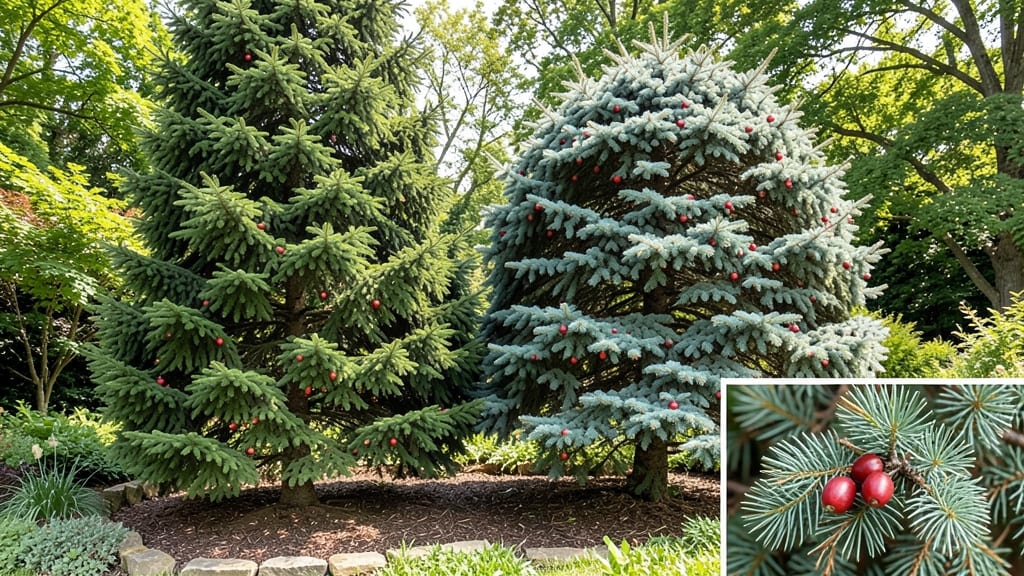
If you're wondering "how tall do yew trees grow", the answer might surprise you—these ancient evergreens can range from a compact 3-foot shrub to towering 40-foot giants, depending on the variety and growing conditions.
For gardeners planning landscapes, yew trees offer unmatched versatility. Whether you need a privacy screen, a formal hedge, or a dramatic focal point, understanding their growth habits is key.
Some varieties like the English yew (Taxus baccata) can reach heights of 60 feet in ideal conditions, while dwarf cultivars like 'Hicksii' stay neatly contained at just 3-5 feet.
But here's the catch: growth rates and mature heights aren't set in stone. Factors like pruning, soil quality, and climate play a huge role. In this guide, I'll break down everything you need to know—from the fastest-growing varieties to spacing tips for your garden layout.
Ready to transform your outdoor space? Let's dive into the world of yew trees and discover how to choose the perfect size for your needs.


Yew tree height ranges by common variety: from dwarf to giant
When planning your landscape with yew trees (Taxus spp.), their mature height determines everything from privacy potential to garden layout. The English Yew (Taxus baccata) typically reaches 40-60 feet when grown as a tree, while Japanese Yew (Taxus cuspidata) maxes out around 30-40 feet.
These differences matter—especially if you're designing a hedge system or windbreak. Dwarf varieties like 'Hicksii' stay compact at just 3-5 feet, making them perfect for container gardening or foundation plantings.
Yew trees grow at different rates depending on the variety. Fast growers like 'Emerald Sentinel' can add 12-18 inches per year, while slower types like 'Stricta' grow just 6-10 inches annually.
This variance means your 10-year-old yew hedge could be anywhere from 6 feet to 18 feet tall, depending on the cultivar. Always check the nursery tag or plant label for exact expectations.
Spacing is critical for healthy growth. A standard English Yew needs 15-20 feet between plants to avoid competition, while columnar varieties like 'Fastigiata' can be planted just 8-10 feet apart. Overcrowding leads to stunted growth and increased susceptibility to fungal diseases.
If you're creating a privacy screen, plan for 10-12 feet of mature height per row, allowing for 3-5 years to reach full density.
🌱 Yew Tree Height & Spacing Guide
| Variety | Mature Height | Growth Rate | Ideal Spacing | Best For |
|---|---|---|---|---|
| English Yew (Taxus baccata) | 40-60 ft | 12-18 in/year | 15-20 ft | Trees, hedges, windbreaks |
| Japanese Yew (Taxus cuspidata) | 30-40 ft | 10-14 in/year | 12-15 ft | Privacy screens, slopes |
| 'Hicksii' (Dwarf) | 3-5 ft | 3-6 in/year | 4-6 ft | Containers, borders |
| 'Fastigiata' (Columnar) | 20-30 ft | 8-12 in/year | 8-10 ft | Narrow spaces, alleys |
| 'Emerald Sentinel' | 12-15 ft | 12-18 in/year | 6-8 ft | Hedges, privacy screens |
| 'Stricta' (Upright) | 10-15 ft | 6-10 in/year | 6-8 ft | Small gardens, borders |
For hedge applications, I recommend fast-growing cultivars like 'Emerald Sentinel' or 'Hillspire' if you need quick coverage. These varieties can reach 10-12 feet in 5-7 years with proper care. If you're planting for long-term privacy, the English Yew is unbeatable—its dense foliage creates an impenetrable barrier once mature.
Just be prepared for 30+ years of growth before reaching full height.
One common mistake is assuming all yew trees grow as tall trees. Many cultivars, like 'Repandens' or 'Standishii', grow as spreading shrubs with heights under 6 feet.
These are ideal for ground cover or rock gardens where vertical space is limited. Always verify the growth habit before purchasing—some nurseries mislabel varieties, leading to unexpected garden sizes.
Climate plays a surprising role in height. Yew trees in USDA Zone 7 or warmer grow 10-20% faster than those in Zone 5 or colder. In cooler regions, growth slows dramatically in winter, extending the time to reach maturity.
If you're in a northern climate, factor in 2-3 extra years for full-size yews compared to southern gardens. Mulching with pine bark or compost can help accelerate growth by 15-20% in cooler zones.
Pruning young yew trees shapes
How growth habits affect yew tree height: pruning, climate, and soil impact
Understanding how to influence yew tree growth is key to achieving your desired height—whether you want a compact hedge or a towering specimen tree. The same variety can grow 20 feet taller in ideal conditions versus restricted growth in poor soil.
Let's explore the factors that shape their height and how you can control them.
First, pruning techniques play a massive role. Formal, shear-pruned hedges like 'Emerald Sentinel' stay tightly controlled at 10-15 feet, while informal pruning of English yew allows natural branching that can reach 60 feet over centuries.
Even a single annual pruning session can reduce growth by 30-50% compared to unpruned trees.
Next, climate zones dramatically affect growth rates. In USDA Zone 7, yews grow 2-3 feet per year when young, while in Zone 4, growth slows to just 6-12 inches annually due to colder winters.
Coastal regions with mild winters often see faster growth and larger mature sizes compared to inland areas.
Soil conditions create another critical difference. Yews thrive in acidic, well-draining soil (pH 5.0-6.5), where they can reach their full height potential. In alkaline or compacted soil, growth stunts dramatically—sometimes by 50% or more.
Amending clay soil with peat moss or pine bark can restore ideal conditions and encourage faster, healthier growth.
🌱 Fast vs. Slow Growth Factors
- 🌞 Full sun exposure
- 💧 Consistent moisture
- 🌱 Rich, acidic soil
- ✂️ Minimal pruning
- 🌡️ Warm coastal climate
- 🌑 Heavy shade
- 💧 Drought conditions
- 🏗️ Compacted soil
- ✂️ Heavy pruning
- 🌡️ Harsh winters
Pro Tip: Test your soil's pH—yews hate alkaline conditions. A simple lime amendment can restore ideal acidity for faster growth.
For landscape planning, spacing is everything. A 10-foot-tall yew needs at least 8 feet of space between plants to avoid competition, while 40-foot giants require 30+ feet of clearance. Planting too closely forces trees to compete, stunting growth and creating weak, brittle branches.
Remember, yew trees are slow to establish but live for centuries. The first 5-10 years are critical—give them proper care now, and they'll reward you with decades of low-maintenance beauty.
Whether you want a privacy screen in 5 years or a century-old specimen, understanding these growth factors puts you in control.