
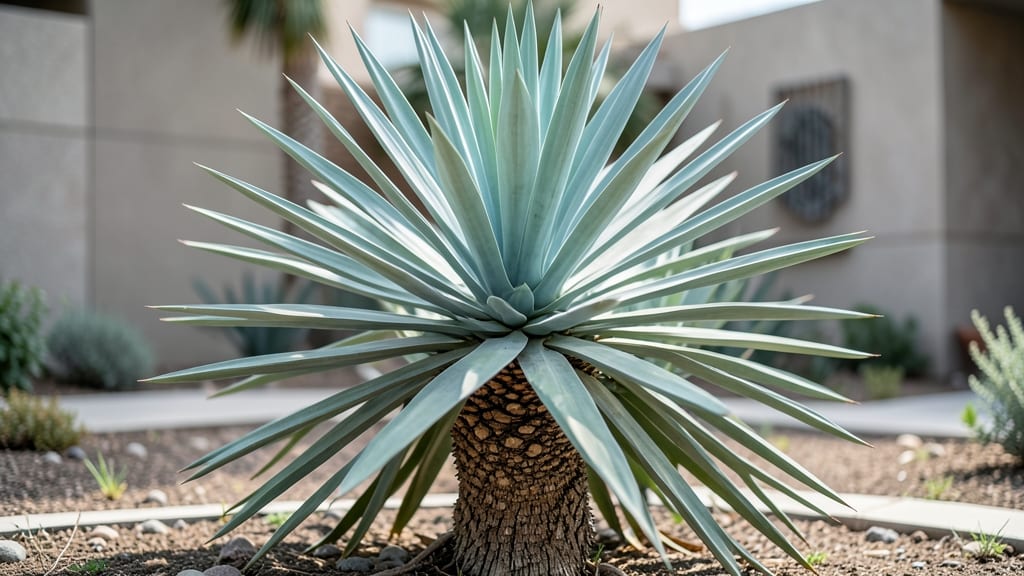
How Tall Do Yuccas Grow: Exact Heights by Type and Care Needs

How To

How Tall Do Yuccas Grow: Exact Heights by Type and Care Needs

If you're planning your garden and wondering "how tall do yuccas grow", the answer might surprise you—these striking plants can range from a modest 3 feet to towering 20-foot giants, depending on the species.

The dramatic difference between a compact Yucca filamentosa and a soaring Yucca rostrata means your choice could completely reshape your outdoor space.

For gardeners in USDA Zone 6a, selecting the right yucca isn't just about aesthetics—it's about practicality. A 10-foot specimen might dominate a small yard, while dwarf varieties keep things manageable. I'll break down exactly which types fit where, so you can avoid planting regrets.

But height isn't just about the species—soil, sunlight, and water play huge roles too. A well-drained plot in full sun can push growth to its maximum, while poor conditions might stunt even the hardiest varieties.

Let me show you how to maximize (or control) your yucca's height based on your landscape goals.

Whether you're designing a desert-inspired border or just want a low-maintenance focal point, understanding these growth patterns will help you choose the perfect yucca for your space. Ready to find out which varieties will work best for you?

Dwarf
3-5 ft
Container friendly
Semi-Dwarf
6-10 ft
Most popular
Standard
10-20 ft
Full orchard size

Yucca plant height by species: mature size guide

Yuccas are architectural wonders in the garden, with heights ranging from compact shrubs to towering specimens. The Yucca rostrata (Spanish dagger) can soar to 20 feet tall, while Yucca filamentosa (Adam's needle) stays closer to 6-10 feet.

Choosing the right species for your space is key—whether you want a dramatic focal point or a low-maintenance border plant.

Most yuccas grow in clumps or rosettes, with some varieties spreading wider than they grow tall. For example, Yucca gloriosa spreads 8-10 feet wide but only reaches 4-6 feet tall. Understanding these growth patterns helps you plan spacing and avoid overcrowding.

Here’s a quick reference for 12 common yucca species, including their mature heights, growth habits, and ideal spacing:

Species Mature Height Spread Growth Habit Spacing
Yucca rostrata (Spanish Dagger) 15–20 ft 3–5 ft Upright, clumping 10–12 ft apart
Yucca filamentosa (Adam's Needle) 6–10 ft 6–8 ft Clumping, spreading 5–7 ft apart
Yucca gloriosa (Mound Lily) 4–6 ft 8–10 ft Spreading, low-growing 4–5 ft apart
Yucca gigantea (Soaptree Yucca) 10–15 ft 6–8 ft Tree-like, single trunk 8–10 ft apart
Yucca recurvifolia (Banana Yucca) 8–12 ft 6–8 ft Upright, arching leaves 6–8 ft apart
Yucca smalliana (Spanish Bayonet) 10–15 ft 3–5 ft Tall, slender, clumping 8–10 ft apart
Yucca baccata (Datil Yucca) 6–10 ft 6–8 ft Clumping, drought-tolerant 5–7 ft apart
Yucca brevifolia (Joshua Tree) 15–25 ft 8–10 ft Tree-like, slow-growing 12–15 ft apart
Yucca aloifolia (Spanish Bayonet) 10–12 ft 4–6 ft Tall, rigid, clumping 6–8 ft apart
Yucca whipplei (Our Lord's Candle) 6–10 ft 3–5 ft Clumping, narrow leaves 5–6 ft apart
Yucca schidigera (Mojave Yucca) 8–12 ft

Factors that control yucca growth height (and how to manage them)

Yuccas thrive in specific conditions, and their mature height depends heavily on how you care for them. While genetics set the baseline, sunlight exposure, soil quality, and watering habits can push a plant 2-3 feet taller—or stunt its growth entirely.

Let’s break down the key factors and how to optimize them for your garden’s needs.

First, sunlight is non-negotiable. Yuccas need 6-8+ hours of direct sun daily to reach their full height potential. In shadier conditions, they’ll grow slower and stay shorter—sometimes as much as 30-50% smaller than their sun-soaked counterparts.

If you’re in a low-light area, choose dwarf varieties like Yucca brevifolia (which maxes out at 3-5 feet) instead of towering species.

🌞 Sunlight

✅ Pros:
  • Full sun (6-8+ hours) = faster, taller growth
  • Enhances drought tolerance and sturdy stems
  • Brightens foliage color (greener, more vibrant)
❌ Cons:
  • Too much sun (10+ hours) can scorch leaves
  • Requires well-draining soil to prevent root burn
  • Not ideal for container growing in hot climates

Next, soil drainage directly impacts root health—and root health determines how tall your yucca can grow. Compacted or clay-heavy soils restrict root expansion, leading to stunted growth. Amend your soil with gravel or sand to create a loose, airy medium.

In containers, use a mix of cactus/succulent soil with perlite for optimal drainage. Poor drainage can reduce mature height by up to 40%.

Watering is another critical lever. Yuccas are drought-tolerant, and overwatering is the #1 reason they fail to reach their potential height. Deep, infrequent watering (every 2-3 weeks) encourages deeper root systems, which support taller growth.

If you’re in a humid climate, reduce watering to every 3-4 weeks to prevent fungal issues that weaken stems. Overwatered yuccas often develop soft, spindly growth and max out at half their expected height.

Finally, pruning can shape your yucca’s height. Regularly trimming dead or leggy stems encourages bushier, more compact growth. For taller varieties like Yucca gigantea (which can reach 20 feet), prune the top 1/3 of the stem to promote side shoots and reduce overall height by 20-30%.

Just avoid heavy pruning in winter, as yuccas are dormant and heal slower.

By mastering these four factors—sunlight, soil, water, and pruning—you can coax your yucca to hit its full height potential (or keep it shorter for small spaces). Start with the right species for your climate, then fine-tune care to match your garden’s vision. 🌵

★★★★★4.6(10 reviews)
Categories How To