
How To
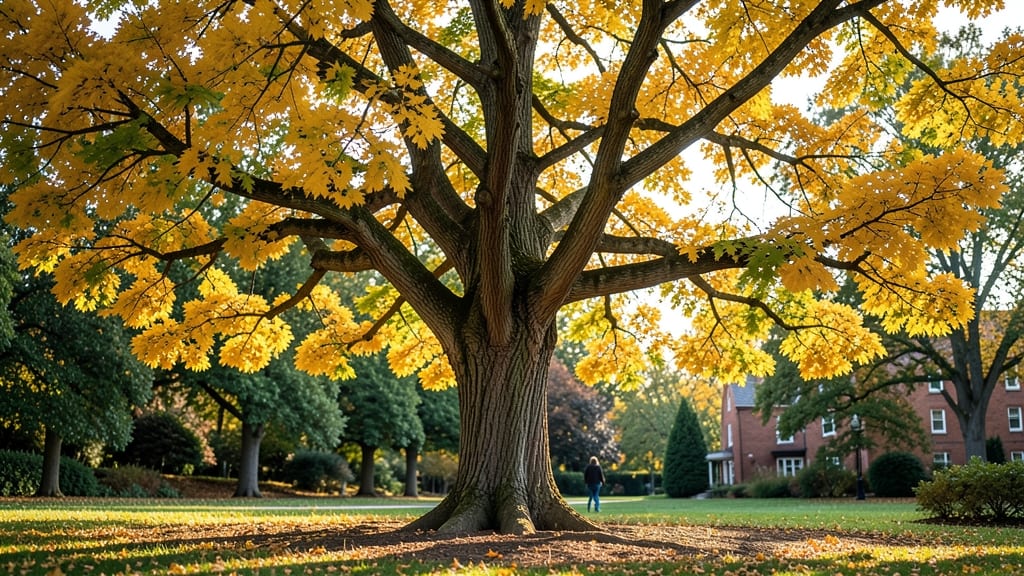
If you're dreaming of adding a ginkgo tree 🌳 to your landscape, you might be wondering just how tall these ancient beauties can grow—because some varieties reach towering heights, while others stay perfectly proportioned for smaller spaces.
The truth is, ginkgo trees can vary wildly in size, with mature specimens stretching anywhere from 30 feet to over 100 feet tall, depending on the variety and growing conditions.
Whether you're working with a compact 'Saratoga' or a fast-growing standard type, understanding these differences is key to planning your garden layout.
But here's the good news: with the right care—like strategic pruning and proper planting techniques—you can influence how tall your ginkgo grows. I'll walk you through everything you need to know, from choosing the right variety for your space to managing its height over time.
Ready to make an informed decision? Let's break down the facts so you can enjoy a ginkgo tree that fits your yard perfectly, whether you want a shade tree or a manageable accent plant.


Ginkgo tree height by variety: mature size ranges and growth rates
Ginkgo trees (Ginkgo biloba) are legendary for their longevity and striking golden foliage, but their mature height can vary dramatically depending on the variety. The standard ginkgo often reaches 60–100 feet, towering like a living monument, while dwarf varieties stay under 30 feet.
Choosing the right type for your space ensures your ginkgo thrives without overwhelming your landscape.
If you're planning a ginkgo tree for a small yard, compact varieties like 'Saratoga' or 'Princeton Sentry' are excellent choices. These stay between 20–30 feet at maturity, perfect for urban gardens or tight spaces.
Meanwhile, the classic 'Autumn Gold' can soar to 70+ feet, making it ideal for parks or large estates.
Growth rates also differ: young ginkgo trees typically gain 1–3 feet per year, but this slows as they mature. Understanding these variations helps you plan for pruning, spacing, and long-term care.
| Variety | Mature Height | Growth Rate | Canopy Spread | Best For |
|---|---|---|---|---|
| 'Autumn Gold' | 60–100 ft | 1–3 ft/year | 40–60 ft | Large properties, parks |
| 'Fastigiata' | 40–60 ft | 1–2 ft/year | 15–25 ft | Narrow spaces, streets |
| 'Saratoga' | 20–30 ft | 1 ft/year | 15–20 ft | Urban yards, small gardens |
| 'Princeton Sentry' | 25–35 ft | 1–2 ft/year | 10–15 ft | Compact spaces, containers |
| 'Horstman's Giant' | 70–100 ft | 2–4 ft/year | 50–70 ft | Large landscapes, historic sites |
For gardeners with limited space, columnar ginkgos like 'Fastigiata' are game-changers. Their narrow canopies (15–25 feet wide) make them ideal for urban gardens or street plantings. Even in tight spaces, these varieties maintain their striking golden foliage without sacrificing height.
If you're unsure which variety to choose, consider your property size and long-term goals. A 30-foot ginkgo fits neatly in a suburban yard, while a 100-foot specimen belongs in a park or estate. Always check local regulations, as some areas restrict tree height near power lines or sidewalks.
Ginkgo trees also develop broad, rounded canopies as they mature, so account for both height and spread when planting. A 60-foot-tall ginkgo with a 50-foot canopy will cast shade far beyond its trunk, creating a cozy microclimate for understory plants.
One of my favorite compact varieties, 'Saratoga,' matures at 20–30 feet but still delivers that iconic golden fall color. It’s perfect for small yards or patio plantings, proving you don’t need a sprawling estate to enjoy a ginkgo’s beauty.
For faster growth, prioritize well-drained soil and full sun exposure. These conditions accelerate early growth, helping young ginkgos reach 10 feet in just 5 years. However, even with ideal care, most ginkgos slow their growth rate after 20 years of age.
🌳
Factors affecting ginkgo tree growth: soil, climate, and care needs
A ginkgo tree's mature height isn't just about genetics—your local climate and soil conditions play starring roles. In USDA Zones 4-8, ginkgos thrive, but urban heat islands can accelerate growth by 20-30% compared to rural areas.
Meanwhile, poor soil drainage can stunt a tree's potential by half, leaving it struggling to reach its full 40-100 foot height.
Well-drained, slightly acidic soil (pH 6.0-7.5) gives ginkgos the nutrients they need to grow tall and strong. If your yard has clay-heavy soil, amending it with organic matter like compost can make a 30% difference in growth rate during the first 5 years.
Without proper prep, roots suffocate, and the tree's vertical growth slows dramatically.
Sunlight exposure directly impacts height too. Ginkgos planted in full sun (6+ hours daily) grow 1-3 feet per year, while those in partial shade may only reach 6-12 inches annually.
A south-facing location maximizes growth potential, but even east or west exposures work if the tree gets unobstructed morning sun.
Pruning habits also shape height—aggressive early pruning can reduce mature height by 20-40%, but improper cuts (like topping) cause weak, bushy growth that never reaches its full potential. Always prune in late winter to avoid stressing the tree during active growth seasons.
Urban planting presents unique challenges. Ginkgos in small yards often grow 10-15% slower due to root restriction and pollution exposure. If you're planting near sidewalks or buildings, choose dwarf varieties like 'Saratoga' (max 30-40 feet) or 'Fastigiata' (narrow, 40-60 feet tall).
Finally, fertilization timing matters. Over-fertilizing in late summer can spur weak, fast growth that's prone to winter damage. Stick to balanced 10-10-10 fertilizer in early spring and light applications in summer—this supports steady, healthy growth without encouraging uncontrolled height spikes.
With the right conditions, your ginkgo can become a century-old giant—but neglect the basics, and it might stay a stunted understudy. Pay attention to these factors, and you'll guide its growth toward the sky you envision. 🌳