
How To
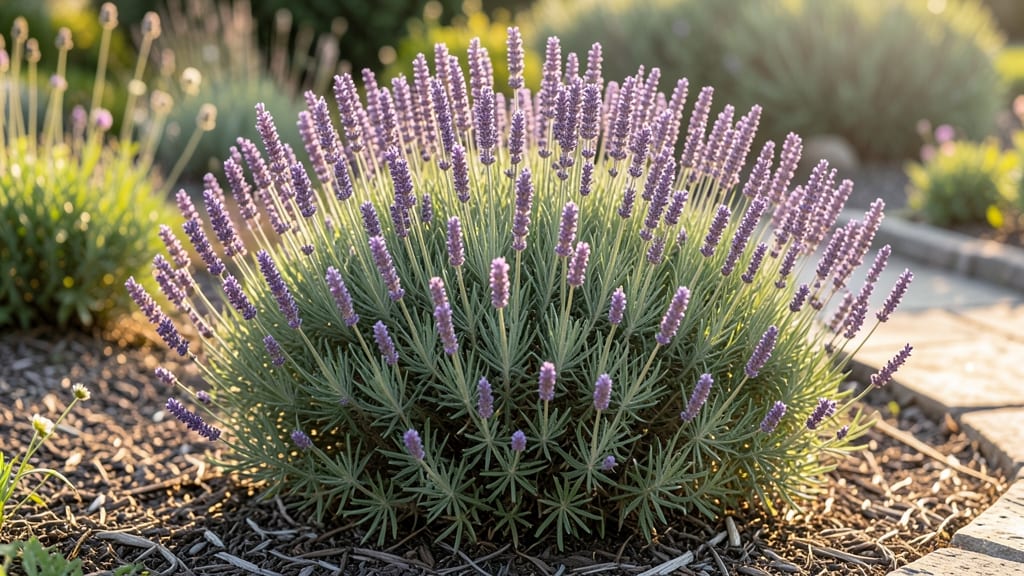
Want to know how tall does a lavender tree grow before it becomes a maintenance nightmare? Most people assume lavender stays small, but without the right care, it can easily reach 6 to 8 feet—or even taller in ideal conditions.
That’s why understanding its natural growth habits is the first step to keeping it under control.
Lavender isn’t actually a tree—it’s a woody shrub that thrives in USDA Zone 6, but its height depends entirely on the variety and how you prune it.
English lavender (Lavandula angustifolia) typically stays between 2 to 3 feet, while French hybrids (Lavandula × intermedia) can stretch toward 5 feet or more. The key to managing its size? Pruning at the right time and knowing which cuts to avoid.
If you’re dreaming of a fragrant hedge or a towering purple border, you’ll need to learn how to shape it naturally. I’ll show you the best pruning techniques to keep it at your desired height—whether that’s a compact 3-foot bush or a 6-foot statement plant.
Ready to take the guesswork out of lavender care?
Let’s dive into the secrets of controlling its growth so you can enjoy its beauty without the overgrowth. You’ll discover how seasonal trimming, soil conditions, and even sunlight exposure play a role in keeping your lavender 🌿 at the perfect height for your space.


Natural height range of lavender trees: what to expect by variety
First, let's clear up a common misconception—lavender isn't actually a tree! It's a woody shrub that can be pruned into tree-like forms. Most lavender varieties grow between 3 to 8 feet tall, but their mature height depends heavily on the species and growing conditions.
For example, English lavender (Lavandula angustifolia) typically stays compact at 2 to 3 feet, while French lavender (Lavandula × intermedia) can reach towering heights of 4 to 6 feet without pruning.
Spanish lavender (Lavandula stoechas) is another popular variety, but it usually maxes out around 3 to 4 feet. The key difference? French lavender grows taller and bushier, making it ideal for privacy hedges, while English lavender is perfect for border plantings or container gardens.
Climate also plays a role—lavender in USDA Zone 7 or warmer may grow slightly taller due to longer growing seasons.
If you're wondering why some lavender plants seem to grow uncontrollably, it's often because they're not pruned regularly. Without proper seasonal trimming, even dwarf varieties can stretch beyond their expected height.
For instance, a dwarf lavender like 'Hidcote' might only reach 1 to 2 feet in ideal conditions, but neglect can push it toward 3 feet or more. The good news? With the right care, you can easily control lavender height and keep it within your desired range.
🌱 Lavender Varieties & Mature Heights
| Variety | Mature Height | Best For | Notes |
|---|---|---|---|
| English Lavender (L. angustifolia) | 2–3 ft | Borders, containers | Fragrant, drought-tolerant |
| French Lavender (L. × intermedia) | 4–6 ft | Hedges, screens | Tallest variety, needs pruning |
| Spanish Lavender (L. stoechas) | 3–4 ft | Mediterranean gardens | Unique "rabbit ear" blooms |
| Dwarf Varieties (e.g., 'Hidcote') | 1–2 ft | Rock gardens, pots | Slow-growing, low-maintenance |
| Grosso Lavender (L. × intermedia 'Grosso') | 5–8 ft | Privacy screens | Largest blooms, needs space |
When planning your lavender garden, consider the mature height of each variety and how it fits into your landscape. For example, French lavender like 'Providence' can grow up to 6 feet, making it perfect for creating a fragrant living wall along a fence or patio.
On the other hand, English lavender varieties like 'Munstead' stay under 3 feet, ideal for edging pathways or adding color to rock gardens.
Soil type also influences height—lavender thrives in well-draining, slightly alkaline soil. If your soil is heavy clay, the plant may struggle to reach its full potential. Amending the soil with gravel or sand can encourage healthier growth and prevent stunted height.
Additionally, lavender planted in full sun (6+ hours daily) will naturally grow taller and bushier than those in partial shade.
One pro tip: If you're growing lavender in containers, root-bound plants will grow slower and stay shorter. Use pots with drainage holes and prune regularly to maintain compact growth. For in-ground plantings, space lavender 3 to 5 feet apart to give it room to spread without crowding.
Overcrowding can lead to leggy growth and weaker stems, which may not reach their expected height.
For those aiming for a tree-like lavender, focus on pruning a single central stem while removing side shoots. This technique, called espalier training, can create a lavender "tree" up to 6 feet tall with a 4-foot-wide canopy.
Just remember: lavender grows best when lightly pruned—over-pruning can stress the plant and stunt its growth.
If you're still unsure which variety to choose, consider your climate and gardening goals. Coastal areas with mild winters may support taller lavender varieties, while colder regions (USDA Zone 5 or below) are better suited for hardy dwarf types.
Always check the specific variety's care requirements before planting to ensure it thrives in your space.
Finally, keep in mind that lavender's height isn't just about genetics—watering habits and fertilizer use also play a role. Overwatering or using high-nitrogen fertilizers can lead to floppy, leggy growth, while proper care ensures your lavender reaches its full, fragrant potential.
With the right variety and maintenance, you can enjoy lavender that's both beautiful and manageable.
Natural height range of lavender trees: what to expect by variety
First, let’s clear up a common misconception: lavender isn’t a true tree—it’s a woody shrub that can be pruned to look like one. When left unchecked, lavender can grow surprisingly tall, especially in ideal conditions.
The average mature height of lavender ranges from 3 to 8 feet, but this varies dramatically by variety and growing conditions.
For example, English lavender (Lavandula angustifolia) typically stays between 2 to 3 feet tall, making it perfect for borders or small hedges.
Meanwhile, French lavender (Lavandula × intermedia) can reach heights of 4 to 6 feet, with some varieties like 'Grosso' even topping out at 8 feet when left unpruned.
Spanish lavender (Lavandula stoechas) usually stays shorter, around 2 to 3 feet, but its unique flower shape makes it a favorite for ornamental gardens.
Climate plays a huge role in height. In warmer USDA zones (8-10), lavender grows faster and taller, sometimes exceeding 6 feet in just a few years. In cooler zones (5-7), growth slows, and mature heights may only reach 3 to 4 feet.
Soil drainage is another critical factor—lavender hates soggy roots, which can stunt growth or even kill the plant.
| Variety | Mature Height | Best For |
|---|---|---|
| English Lavender (L. angustifolia) | 2–3 ft | Borders, hedges, containers |
| French Lavender (L. × intermedia) | 4–8 ft | Privacy screens, tall hedges |
| Spanish Lavender (L. stoechas) | 2–3 ft | Ornamental beds, rock gardens |
| Dwarf Varieties (e.g., 'Hidcote') | 1–2 ft | Window boxes, fairy gardens |
If you’re planning a lavender hedge, choose a variety that matches your desired height. For example, 'Munstead' English lavender stays compact at 2 feet, while 'Provence' French lavender can grow 5 feet tall without pruning.
Always check the specific variety’s tags—some nurseries sell lavender labeled as "tree-like," which often refers to heavily pruned or trained shrubs.
One pro tip: Prune lavender in late spring or early summer to control height naturally. This encourages bushier growth and prevents leggy stems. Avoid cutting into old wood, as lavender struggles to regrow from mature branches.
With the right variety and care, you can keep your lavender at your ideal height—whether that’s a low border or a tall, fragrant privacy screen.
For those in container gardening, dwarf varieties are your best bet. Even standard lavender can be kept in check with regular pruning, but expect it to reach 3 to 4 feet in pots.
Always use well-draining soil and a pot with drainage holes to prevent root rot, which can stunt growth.
Remember, lavender’s height isn’t just about genetics—it’s also about your gardening habits. With consistent pruning and the right variety, you can shape lavender into almost any form you desire, from a tiny topiary to a towering purple statement plant. 🌿