
How To
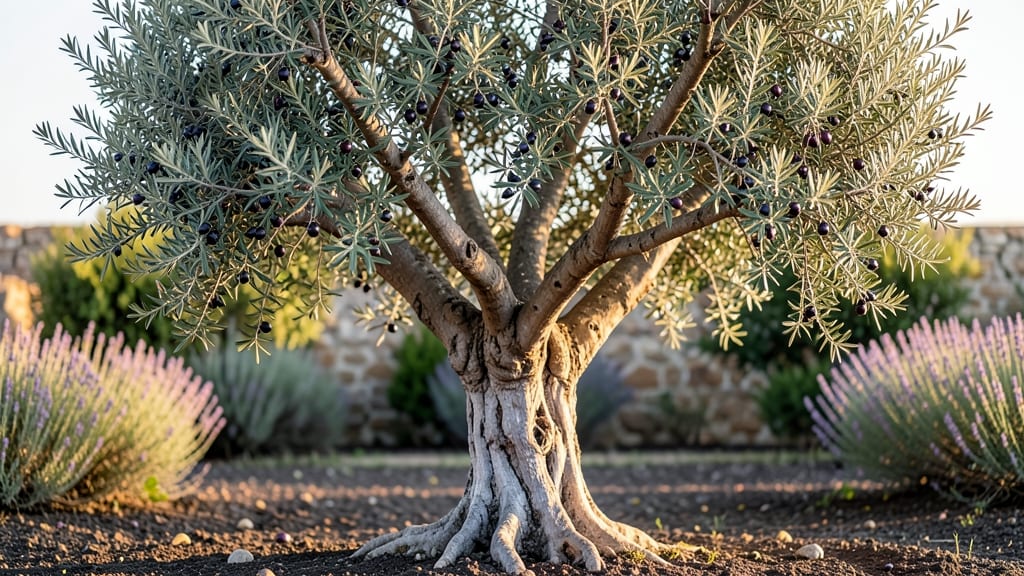
If you’ve ever wondered "how tall does an olive tree grow", the answer might surprise you—especially when comparing standard varieties to their compact cousins.
A full-grown olive tree 🫒 can soar up to 50 feet or even tower over 80 feet in ideal conditions, making it a statement piece in any landscape. But for smaller spaces, dwarf varieties offer a more manageable 5-12 feet height, perfect for containers or urban gardens.
Choosing the right size isn’t just about aesthetics—it’s about practicality. Standard olive trees thrive in spacious yards, while dwarf varieties adapt beautifully to patios, balconies, or even large pots.
Whether you’re dreaming of fresh olives for your kitchen or simply love the Mediterranean charm, knowing these height differences helps you pick the perfect fit for your space and climate.
In this guide, I’ll break down the exact growth ranges for both standard and dwarf olive trees, plus the key factors that influence their height—like pruning techniques, soil quality, and sunlight exposure.
You’ll also discover the best varieties for your garden, whether you want a towering classic or a compact, low-maintenance option.
Ready to transform your outdoor space? Let’s dive into the details so you can grow the ideal olive tree for your needs—no guesswork required.


Standard olive tree heights: how big do mature trees grow?
If you're imagining a standard olive tree in your landscape, prepare for a stunning but space-hogging specimen. These majestic trees can reach 30 to 80 feet tall at maturity, with some varieties like the Mission olive tree topping out near 80 feet—taller than a two-story house!
Their growth rate is steady but slow, with most trees taking 10 to 15 years to reach full height.
The Arbequina olive tree, a popular choice for Mediterranean gardens, typically grows 15 to 25 feet tall with proper care. Meanwhile, the Frantoio variety, prized for its high-quality olives, can soar up to 50 feet in ideal conditions.
These heights make them better suited for rural properties or large estates rather than suburban backyards.
Climate plays a huge role in their height. In USDA Zones 8-10, where olive trees thrive, they grow taller and denser due to longer growing seasons. However, in cooler zones like Zone 7, growth slows significantly, often capping mature heights at 20 to 30 feet.
Even in perfect conditions, pruning habits can drastically alter their final height—more on that later!
Here’s what you need to know about their spread and canopy: Standard olive trees develop a rounded, dense canopy that can stretch 20 to 40 feet wide. This means they need ample space—not just vertically but horizontally—to avoid crowding other plants or structures.
If you’re planting near your home or patio, factor in at least 15 feet of clearance on all sides for a healthy, unobstructed tree.
One surprising fact about olive trees is their lifespan. With proper care, they can live for hundreds of years, continuing to grow taller (though at a slower rate) as they age.
This longevity means your tree’s height will be a permanent feature of your landscape, so choosing the right location is critical.
🌱
Soil type also influences height. Olive trees thrive in well-draining, slightly alkaline soil (pH 6.0-8.0). Poor drainage or clay-heavy soil can stunt growth, resulting in a shorter, less robust tree.
If your soil is heavy, consider planting in a raised bed or amending it with sand and compost to improve drainage.
For those in cooler climates, microclimates can make a difference. Planting near a south-facing wall or in a sheltered spot can extend the growing season, allowing your olive tree to grow taller than it would in an exposed area.
Even a 5-10 degree Fahrenheit difference can impact its height over time.
If you’re torn between aesthetics and productivity, remember that taller olive trees produce more fruit—but they also require more maintenance. Regular pruning and fertilizing are essential to keep them healthy and manageable.
For example, a Mission olive tree left unpruned can become unruly, with dense branches blocking sunlight from lower limbs.
🌳
Before committing to a standard olive tree, measure your space and consider your long-term goals. If you’re dreaming of homegrown olives but lack the space for a full-sized tree, don’t worry—dwarf varieties offer a perfect compromise.
We’ll cover those in the next section, along with tips for keeping your olive tree at a manageable height.
Dwarf olive tree varieties: compact options for small gardens & containers
If space is limited but you still crave the beauty and productivity of olive trees, dwarf varieties are your best bet. These compact powerhouses top out at 5-12 feet tall, making them perfect for patios, containers, or urban gardens.
Unlike their towering standard cousins, dwarf olives mature quickly—often reaching harvestable size in just 3-5 years—while still producing delicious fruit or stunning ornamental foliage.
My favorite dwarf olive tree for containers is the Little Ollie, a cold-hardy variety that thrives in pots and stays under 8 feet tall. For fruit production, Arbequina dwarf is a top pick, offering sweet, dual-purpose olives (great for eating or oil) while staying under 10 feet.
These varieties prove that small size doesn’t mean small rewards—you’ll still enjoy Mediterranean charm without the space commitment.
🌱
For container growing, choose a pot at least 24 inches wide and deep with drainage holes—olive trees hate soggy roots. Use a well-draining potting mix (like cactus/succulent blend) and upgrade to a 30-gallon container as your tree matures.
Remember, dwarf doesn’t mean low-maintenance: these trees still need full sun (6+ hours daily) and regular pruning to maintain their shape and encourage fruit production.
One of my biggest tips for container olives? Fertilize lightly during the growing season (spring-fall) with a balanced 10-10-10 formula. Over-fertilizing leads to leaf burn, while too little slows growth.
And here’s a pro move: Rotate your containers every few months to ensure even sun exposure—olive trees grow toward the light, and you want that symmetrical, Mediterranean silhouette.
🪴 Whether you’re growing for olives, oil, or just beauty, dwarf varieties deliver big results in small packages.
Just give them sun, space to breathe (even in pots), and occasional pruning, and you’ll have a year-round Mediterranean centerpiece that keeps on giving—literally, if you choose a fruiting variety!