
How To
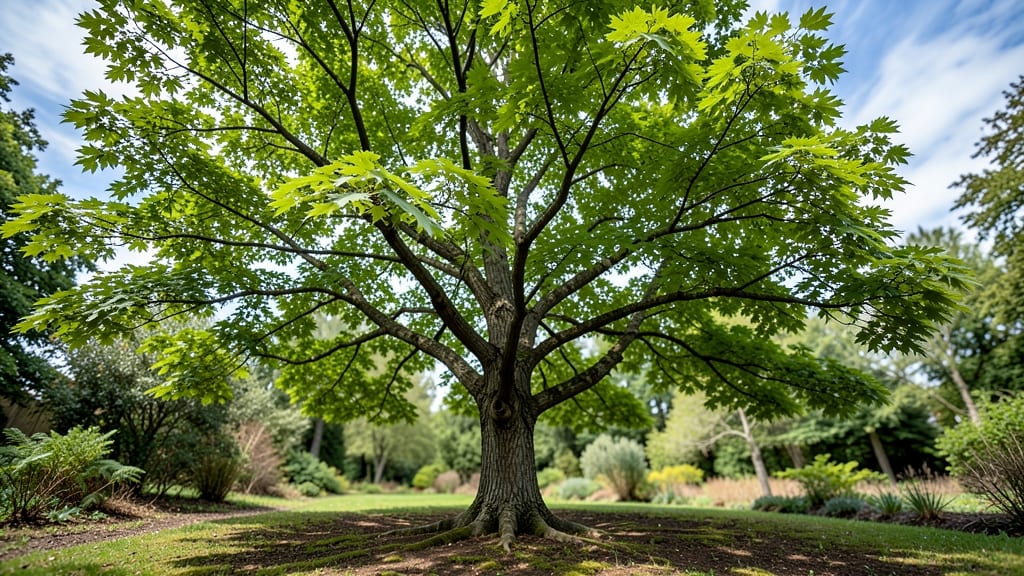
Mature height ranges of ash trees: species comparison by growth potential
When planning to plant an ash tree, knowing its mature height helps you choose the right variety for your space. Ash trees (Fraxinus species) typically reach heights between 40 to 80 feet, but specific species vary significantly.
The White Ash and Green Ash are among the tallest, while Black Ash and Blue Ash tend to stay shorter. Understanding these differences ensures you pick a tree that fits your yard’s layout and future growth plans.
Ash trees grow at different rates depending on species, soil quality, and climate. For example, a White Ash can grow 2 to 3 feet per year under ideal conditions, while a Green Ash might grow slightly slower.
Proper care, like regular watering and pruning, can further influence how quickly your ash tree reaches its mature height. Always consider your local USDA hardiness zone—ash trees thrive in zones 3 to 9, but growth rates may vary.
| Species | Mature Height | Growth Rate (Annual) | Best For |
|---|---|---|---|
| White Ash | 60–80 ft | 2–3 ft/year | Large yards, parks |
| Green Ash | 50–70 ft | 1.5–2.5 ft/year | Urban areas, wetlands |
| Black Ash | 40–60 ft | 1–2 ft/year | Swamps, wet soils |
| Blue Ash | 50–65 ft | 1.5–2 ft/year | Dry soils, open spaces |
The White Ash stands out as the tallest variety, often reaching 80 feet with a straight trunk and dense canopy. This makes it ideal for large properties or landscapes where height isn’t a concern.
If you’re in an urban area, the Green Ash is a popular choice due to its adaptability to various soil types and tolerance for city conditions like pollution and compacted soil.
For smaller spaces or areas with poor drainage, the Black Ash is a better fit. It grows slower and stays shorter, making it suitable for wetlands or areas where water pools after rain.
Meanwhile, the Blue Ash is a mid-range option, thriving in dry soils and offering a balance between height and adaptability. Always check local regulations, as some areas restrict planting tall species near power lines.
Soil quality plays a huge role in how tall an ash tree grows. Well-drained, slightly acidic soil (pH 6.0–7.0) promotes faster growth, while clay-heavy or waterlogged soil can stunt a tree’s height.
If your yard has poor soil, amend it with compost or organic matter before planting. Mulching around the base also helps retain moisture and encourages root development, which supports taller growth over time.
Pruning young ash trees is another key factor in managing their height. Removing suckers and competing branches early directs energy toward the main trunk, helping the tree grow taller and straighter. Avoid heavy pruning in late summer or fall, as this can stress the tree and slow its growth.
Instead, prune in late winter or early spring when the tree is dormant but about to wake up for the growing season.
Climate also affects height—ash trees in warmer, sunnier regions (like the Southeast U.S.) tend to grow faster and taller than those in cooler climates. If you’re in a northern state, choose a cold-hardy variety like the Black Ash or Green Ash, which can handle shorter growing seasons.
Always research your local climate to match the tree’s needs with your environment.
Before planting, measure your yard’s available space. A 60-foot-tall tree needs at least 30 feet of clearance from structures, power lines, and sidewalks to avoid future issues. If space is limited, consider dwarf varieties or smaller species like the Carolina Ash, which maxes out around 40 feet.
Proper spacing now prevents costly pruning or removal later.
Ash trees are stunning additions to any landscape, but their height requires careful planning. By choosing the right species for your space and providing optimal growing conditions, you’ll ensure your ash tree reaches its full potential—whether that’s a towering 80-foot giant or a more manageable 40-foot beauty.
With the right care, your ash tree will thrive for decades, providing shade and beauty to your outdoor space.
Fastest-growing ash tree varieties: height growth rates and best uses
If you're short on time but eager to enjoy the majestic beauty of ash trees, some varieties grow 30-50% faster than average. These rapid growers can reach 50-70 feet in just 20-30 years, making them ideal for larger landscapes or quick shade solutions.
Let’s explore the top contenders and how their growth patterns compare over time.
For example, the Green Ash (Fraxinus pennsylvanica) is one of the fastest growers, shooting up 2-3 feet per year in ideal conditions. In just 10 years, it can hit 20-25 feet, while White Ash (Fraxinus americana) grows slightly slower at 1-2 feet per year.
Your choice depends on whether you prioritize speed or long-term stability.
- 🌱 Green Ash: 2-3 ft/year → 50-70 ft in 30 years; thrives in wet soils and urban settings.
- 🌳 Black Ash: 1.5-2.5 ft/year → 40-60 ft in 30 years; prefers moist, acidic soil and cooler climates.
- ✂️ 'Autumn Purple' Ash: 1-2 ft/year → 45-55 ft in 30 years; disease-resistant with stunning fall foliage.
- 💧 'Marshall Seedless' Ash: 2 ft/year → 60-70 ft in 30 years; fast-growing but needs well-drained soil.
- ☀️ 'Summit' Ash: 1.5-2 ft/year → 50-60 ft in 30 years; compact growth for smaller yards.
To maximize growth, plant these varieties in full sun (6+ hours daily) with well-draining soil. Avoid waterlogged areas, as even fast growers like the Green Ash can suffer from root rot. Mulch around the base to retain moisture and protect roots during dry spells.
For urban gardens, the 'Autumn Purple' variety is a standout—its disease resistance and vibrant fall colors make it low-maintenance. Meanwhile, the 'Marshall Seedless' is perfect for rural properties where space isn’t a constraint. Always check local regulations, as some areas restrict ash trees due to emerald ash borer risks.
Prune young ash trees annually to encourage strong branch structure and prevent future issues. Focus on removing dead or crossing branches in late winter or early spring, before new growth begins. This not only shapes the tree but also boosts its growth rate by redirecting energy efficiently.
Whether you're aiming for quick shade or a long-term investment, these fast-growing ash trees deliver stunning results with minimal wait time. Just remember: even the fastest growers need patience and proper care to reach their full potential. 🌳