
Flowers
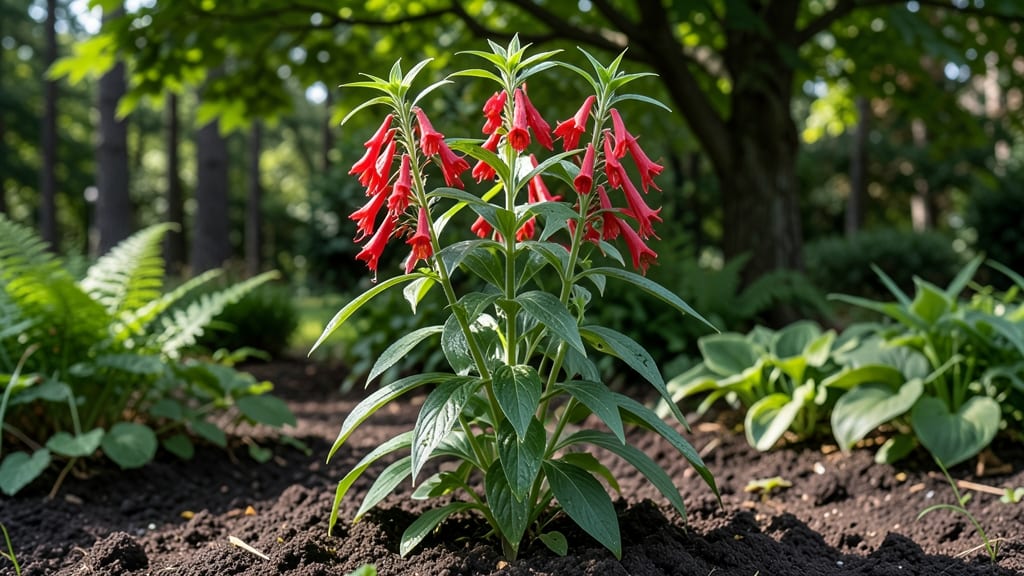
If you're dreaming of adding a splash of vibrant color to your garden, how tall the cardinal flower can grow might just be the deciding factor for where you plant it.
This striking 🌸 can reach anywhere from 2 to 5 feet, depending on its growing conditions and whether it's a native plant or a cultivated variety.
Understanding how tall your cardinal flower will grow helps you plan its placement—whether it’s as a dramatic border plant or a hummingbird magnet near a seating area. The key to maximizing its height lies in factors like sunlight exposure, soil moisture, and even the specific cultivar you choose.
For gardeners in USDA Zone 6a, timing is everything. Planting in April or May sets the stage for optimal growth, while providing the right balance of shade and water can push those stems toward their full potential.
Let’s break down what influences height and how you can encourage the perfect size for your space.
From dwarf varieties that stay compact to towering specimens that reach eye level, cardinal flowers offer versatility. Discover the secrets to controlling height through pruning and support, so you can enjoy their bold blooms exactly where you want them—without compromising their stunning presence.


Native cardinal flower height: how tall it grows in the wild
The cardinal flower (Lobelia cardinalis) thrives naturally in wet meadows and stream banks across eastern North America, where its height reflects its wild, robust growth habits.
In ideal moist, shaded conditions, these plants typically reach 3 to 5 feet tall, with some specimens exceeding 5 feet in optimal environments. Their height is directly tied to water availability and sunlight exposure, which we’ll explore further below.
Botanical studies show that wild cardinal flowers grow tallest in partial shade with consistent moisture, while those in full sun or dry conditions may stay shorter—often between 2 to 3 feet.
This natural variation means gardeners can influence height by mimicking or adjusting these conditions. For example, planting near a water source or in a bog garden encourages maximum growth.
In its native habitat, the cardinal flower’s height also depends on the plant’s age. First-year plants usually stay between 2 to 3 feet tall, while mature specimens in their second or third year can easily top 5 feet.
This gradual growth makes them a long-term investment for gardeners seeking vertical interest.
Here’s how environmental factors break down for native cardinal flower height:
| Factor | Height Impact | Notes |
|---|---|---|
| Sunlight | 2–5 ft | Partial shade (4–6 hrs sun) yields tallest growth; full sun may reduce height. |
| Moisture | 3–5 ft | Consistent moisture boosts height; drought stress stunts growth. |
| Soil Type | 2–4 ft | Rich, organic soil supports taller growth; clay or sandy soil limits height. |
| Age | 2–5 ft | First-year plants stay shorter; mature plants (2+ years) reach full height. |
Understanding these factors helps you predict and control the cardinal flower’s height in your garden. For instance, if you’re aiming for a tall, dramatic backdrop, prioritize moist, partially shaded spots with well-amended soil.
Conversely, if space is limited, you can prune or plant dwarf cultivars to keep height in check.
One key takeaway is that cardinal flowers thrive in moisture-rich environments, much like their wild counterparts. This makes them perfect for pond edges, rain gardens, or shaded borders, where their height can create a stunning vertical focal point.
Just ensure the soil stays consistently damp but not waterlogged—this balance is critical for achieving their full 3–5 foot potential.
For gardeners in drier climates, you might see slightly shorter plants (around 2–3 feet), but with regular watering and mulching, you can still encourage taller growth. The red blooms will thank you by staying vibrant and abundant!
If you’re planning to use cardinal flowers as a hummingbird magnet, taller specimens (4–5 feet) work best for creating a visible nectar source from a distance. Pair them with tall grasses or sunflowers to amplify their height and attract even more pollinators.
Finally, remember that cardinal flowers are biennials or short-lived perennials, meaning their height may fluctuate year to year. After the first year, they often bolting upright to reach their maximum height, making them a reliable tall plant for seasonal gardens.
Ready to grow your own? Start by choosing a moist, shaded spot and watch your cardinal flowers reach their full height potential—nature’s way of saying, "Plant me where I thrive!" 🌸
Native cardinal flower height: how tall it grows in the wild
The cardinal flower (Lobelia cardinalis) thrives naturally in moist, shaded areas like stream banks and wet meadows, where it reaches its fullest potential height. In these ideal conditions, wild specimens typically grow 3 to 5 feet tall, though some may exceed 5 feet with perfect care.
The plant’s height is directly tied to water availability and sunlight exposure, with taller growth in consistently damp soils.
Botanical studies show that wild cardinal flowers in their native eastern North American habitats often grow taller in partial shade than in full sun, where they may become leggy and less robust.
This natural growth pattern explains why gardeners in humid climates (like Zones 6-9) see the most dramatic height increases—sometimes up to 6 feet in exceptional cases.
| Growth Factor | Height Impact | Notes |
|---|---|---|
| Moisture Level | 3–5 ft | Consistent watering = taller, sturdier stems |
| Sunlight (Partial Shade) | 4–5 ft | Optimal for dense, bushy growth |
| Full Sun Exposure | 2–3 ft | Risk of leggy, weaker stems |
| Soil Fertility | Up to 6 ft | Rich, organic soil boosts height |
If you’re growing cardinal flowers in drier climates, expect shorter heights (2–3 feet) unless you simulate their natural wet conditions with regular mulching and consistent watering.
The plant’s height also matures over time—first-year plants typically stay 2 to 3 feet tall, while established plants in their second or third year can reach their full 4–5 foot potential.
For gardeners planning border plantings, the 3–5 foot range is ideal for creating a dramatic vertical backdrop, especially when paired with shorter perennials like aster or black-eyed Susan. In container gardens, however, expect slightly reduced heights (2–4 feet) due to root restriction.
One key takeaway: Pruning in early spring can encourage bushier, shorter growth while still allowing for tall flower spikes. This technique is perfect for smaller gardens where 5-foot plants might overwhelm the space. Just avoid heavy pruning after mid-summer, as it can reduce flowering for the season.
For those in humid regions, embrace the tallest varieties—they’ll thrive and attract hummingbirds like magnets. In drier areas, focus on moisture retention and partial shade to coax even average plants to 4 feet or more. 🌸