
How To
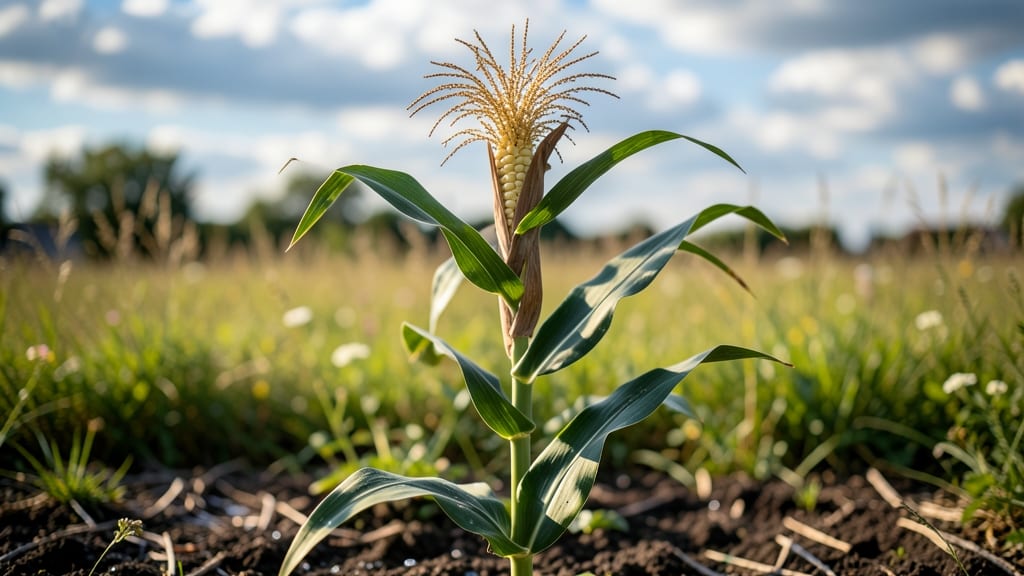
If you’ve ever stared at a towering cornfield and wondered just how tall does corn plant grow, you’re not alone. Some varieties reach heights that make you feel like a kid again—think 10 feet or more, taller than a basketball hoop!
But here’s the twist: not all corn is built the same way.
From waist-high dwarf varieties perfect for small gardens to giant stalks that dominate the landscape, the size of your corn depends on more than just luck. Whether you’re planning a backyard plot in USDA Zone 6a or dreaming of a bountiful harvest, understanding these differences is the key to success.
I’ll break down the height ranges for popular types, like the 6-10 foot standard sweet corn and the 12-foot giants that need extra space. Plus, I’ll share tips to help your corn reach its full potential—without toppling over.
Ready to grow corn that’s as impressive as it is productive? Let’s dig into the details so you can pick the perfect variety for your garden—and watch those stalks soar! 🌽


Corn plant height by variety: from dwarf to giant stalks
Corn isn’t just one size fits all—some varieties barely clear your knees while others tower like skyscrapers. The height of corn plants depends entirely on the variety you choose, with dwarf types reaching just 3-5 feet and giant stalks stretching over 12 feet.
If you’re working with limited space, compact varieties like 'Baby Blue' (3 ft) are perfect, while backyard gardeners often opt for standard sweet corn (6-10 ft) for easy harvests.
For those dreaming of monster corn, varieties like 'Mammoth Melting' or 'Country Gentleman' can reach 12-18 feet—ideal for corn maze gardens or dramatic backyard focal points. However, these giants need ample space and rich soil to support their weight, or they risk lodging (falling over).
Always check your garden layout before planting taller varieties near fences or structures.
Here’s how corn varieties break down by height, along with their best uses and care considerations:
| Variety Type | Height Range | Best For | Space Needs |
|---|---|---|---|
| Dwarf | 3–5 ft | Containers, small gardens, early harvests | Tight rows (12" apart) |
| Semi-Dwarf | 6–8 ft | Home gardens, trellising | Standard rows (30" apart) |
| Standard | 8–10 ft | Sweet corn, fresh ears | Wide rows (36" apart) |
| Giant | 12–18 ft | Corn mazes, ornamental | Open fields, staking |
Climate plays a huge role in final height too. Southern gardens often produce taller corn due to longer growing seasons, while northern regions may see shorter stalks unless you choose early-maturing varieties.
For example, 'Golden Bantam' (5 ft) thrives in short-season zones, while 'Peaches and Cream' (10 ft) needs at least 90 frost-free days to reach full height.
If you’re growing multiple varieties, space them strategically. Tall corn should face south to avoid shading shorter plants, and dwarf varieties can be planted in containers on patios. Pro tip: Use bamboo stakes for semi-dwarf types to prevent leaning, especially in windy areas.
For ornamental corn like 'Glass Gem' (8 ft), height isn’t just about yield—it’s about visual impact. These varieties often have colorful kernels and decorative tassels, making them perfect for cutting gardens or dried arrangements.
Just remember: taller doesn’t always mean better—some of the sweetest corn comes from mid-height stalks!
When selecting seeds, always check the maturity days label. A 90-day variety in a short-season zone might only reach half its expected height, while the same plant in Texas heat could shoot up 20% taller. Balance your garden’s microclimate with your corn’s growth potential for the best results.
🌽
How corn growth stages affect final height (and when to expect it)
Corn doesn’t grow to its full height overnight. Understanding its growth stages helps you predict final size and adjust care. Each stage—from sprouting to tasseling—builds the stalk’s strength and structure, with vegetative stages (V6-V12) being critical for height development.
For example, a standard variety like 'Silver Queen' will reach 8-10 feet by tasseling, while dwarf types like 'Golden Bantam' max out at 4-6 feet.
During the vegetative stages (V1-V12), corn focuses on leaf and stalk growth.
By stage V6, plants are typically 3-4 feet tall, and each subsequent leaf collar (visible at the base) adds another foot. Sunlight exposure during these stages directly impacts height—shady conditions stunt growth, while full sun (6+ hours daily) fuels rapid vertical expansion.
Water stress here can permanently limit final height, so consistent moisture is key.
Here’s how height progresses through key stages:
Environmental factors like soil nutrients and temperature also play roles. Cool nights slow growth, while warm days with nitrogen-rich soil can push stalks to their genetic maximum. For instance, 'Mammoth Melting' corn—known for 12+ ft stalks—needs well-draining, fertile soil to achieve its towering potential.
If your corn feels leggy or weak, it may need balanced fertilizer (like 10-10-10) applied at V4-V6 stages.
Watch for height plateaus during drought or pest stress. For example, corn borers or aphids can weaken stalks, causing them to stop growing early.
If your plants stall at 5 ft but your variety should reach 10 ft, check for nutrient deficiencies (yellow leaves = nitrogen) or root damage. Adjust care immediately to salvage height potential.
Timing matters too! In short-season climates (USDA Zones 3-5), corn may not reach its full height due to early frost. Plant early-maturing varieties like 'Early Sunglow' (70-day harvest) to ensure stalks have time to grow before first frost.
Conversely, in long, hot summers, varieties like 'Country Gentleman' can exceed 10 ft with proper care.
Track your corn’s height weekly using a measuring tape or ruler. Compare progress to your variety’s expected growth curve—this helps you spot issues early. For example, if your 'Golden Bantam' (dwarf) reaches 5 ft instead of 4 ft, it might be overcrowded or over-fertilized.
Adjust spacing (12-18 inches apart) or reduce nitrogen to encourage bushier, shorter growth.