
How To
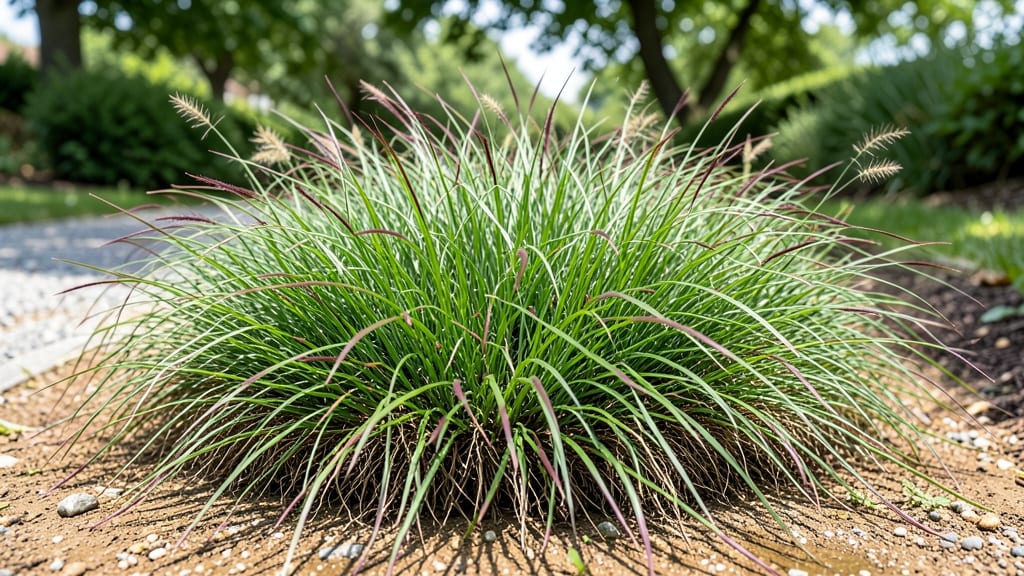
Creeping red fescue height ranges by climate: what to expect in different regions
Creeping red fescue thrives as a low-growing groundcover with mature heights typically ranging between 1 to 3 inches. However, its growth varies dramatically depending on your USDA hardiness zone and local microclimates.
In cooler northern regions, like USDA zones 3-5, it often stays on the shorter end—1 to 2 inches—due to slower growth cycles. Meanwhile, in warmer zones 6-9, it may reach 2.5 to 3 inches with proper care and ideal conditions.
Coastal areas also influence height variations. Near ocean shorelines, salty air and wind can stunt growth slightly, keeping it closer to 1 to 2 inches. In contrast, inland regions with moderate humidity and consistent rainfall often see taller, denser growth—up to 3 inches—when given optimal care.
Understanding these regional differences helps you set realistic expectations for your lawn or garden.
Temperature extremes play a critical role. In cold-hardy zones 3-4, creeping red fescue enters dormancy during winter, slowing growth but preventing it from exceeding 2 inches in height. Conversely, in warmer zones 7-9, it stays active year-round, allowing it to reach its maximum height potential with proper maintenance.
Soil type and drainage also affect height. In well-draining, sandy soils, roots spread wider but stay shallow, resulting in a slightly taller, more upright growth habit (up to 2.5 inches).
In clay-heavy or compacted soils, growth tends to be shorter and denser (closer to 1 to 1.5 inches) due to restricted root development.
Here’s a quick reference for expected mature heights based on your region:
| Region (USDA Zone) | Mature Height Range | Key Growth Factors |
|---|---|---|
| Zones 3-4 (Cold Climates) | 1–2 inches | Slow growth, winter dormancy, shorter daylight |
| Zones 5-6 (Temperate) | 1.5–2.5 inches | Moderate rainfall, balanced seasons, ideal for lawns |
| Zones 7-9 (Warm Climates) | 2–3 inches | Longer growing season, higher humidity, needs consistent water |
| Coastal Areas | 1–2 inches | Salty air, wind, and cooler temps limit height |
For example, if you live in USDA zone 5 with partial shade, you can expect your creeping red fescue to mature around 2 inches with minimal maintenance. In zone 8, however, it may grow taller—up to 2.5 to 3 inchesregular pruning and proper fertilization.
Always adjust your mowing height to match these expectations to avoid damaging the grass.
Another critical factor is altitude. At higher elevations (e.g., mountainous regions), creeping red fescue tends to grow shorter and denser due to thinner air and cooler temperatures.
Conversely, in low-lying areas with high humidity, it may grow taller but become more susceptible to fungal diseases if not properly aerated.
To maximize height control, monitor your grass’s growth patterns throughout the year. In spring and fall, when growth is most active, you’ll notice the most significant height changes. Adjust your mowing schedule accordingly—never cut it shorter than 2 inches—to maintain its natural density and resilience.
If you’re using creeping red fescue for erosion control or as a low-maintenance groundcover, aim for a height of 1.5 to 2 inches in most climates. This range provides the best balance of root stability and weed suppression while keeping maintenance manageable.
For lawns, a slightly taller height (2 to 2.5 inches) offers better durability under foot traffic.
🌱
How pruning frequency and technique dramatically affect creeping red fescue height
When I first planted creeping red fescue, I assumed its mature height would stay consistent year-round—but I quickly learned that pruning habits can shift it by nearly 50%. The key lies in understanding how mowing frequency and blade sharpness interact with its natural growth rhythm.
For example, aggressive pruning (cutting every 5-7 days) can keep it at 1.5–2.5 inches, while minimal mowing (every 3-4 weeks) may let it reach 3–4 inches.
Most gardeners make the mistake of treating creeping red fescue like tall-grass lawns. But this low-growing variety thrives when you mimic its natural spreading habit. Think of it like styling hair—over-trimming weakens the roots, while gentle maintenance encourages dense, lush growth.
The optimal mowing height is 2.5–3 inches, never below 2 inches, or you risk exposing the soil to weeds and heat stress.
| Pruning Technique | Mowing Height | Resulting Height | Density Impact |
|---|---|---|---|
| Aggressive (weekly) | 1.5–2.5" | 1.5–2.5" | Moderate (thins over time) |
| Moderate (bi-weekly) | 2.5–3.5" | 2–3" | High (ideal for spread) |
| Minimal (monthly) | 3–4" | 3–4" | Very high (risk of thatch) |
The seasonal shift in pruning needs is another game-changer. During spring and fall, when creeping red fescue is actively growing, I mow every 10–14 days to encourage root development.
But in summer dormancy, I switch to a high-cut setting (3–4 inches) to protect the grass from heat stress and drought. This adjustment alone can prevent height spikes by up to 1 inch during peak summer.
Blade sharpness often gets overlooked, but dull mower blades tear the grass instead of cleanly cutting it. This damage stresses the plant, leading to uneven growth and patchy thinning. I invest in a sharp mulching blade and sharpen it every 10–15 hours of use.
The difference? My lawn stays uniformly dense with consistent height, while neighbors with dull blades struggle with brown patches and height variations.
For erosion-prone areas or shady gardens, I’ve found that vertical mowing (cutting at a slight angle) encourages lateral spread while keeping height in check. This technique works wonders for slope stabilization—the grass grows 10–15% wider while maintaining a 2–3 inch height, creating a self-repairing ground cover.
It’s a hack I wish I’d known years ago!
If you’re aiming for a neat, manicured look, stick to bi-weekly mowing at 2.5 inches and avoid scalping (cutting more than 1/3 of the blade height at once). For a wild, natural aesthetic, let it grow to 3–4 inches and mow monthly.
Either way, consistency is key—creeping red fescue rewards patience with years of low-maintenance beauty. ✂️🌱