
How To
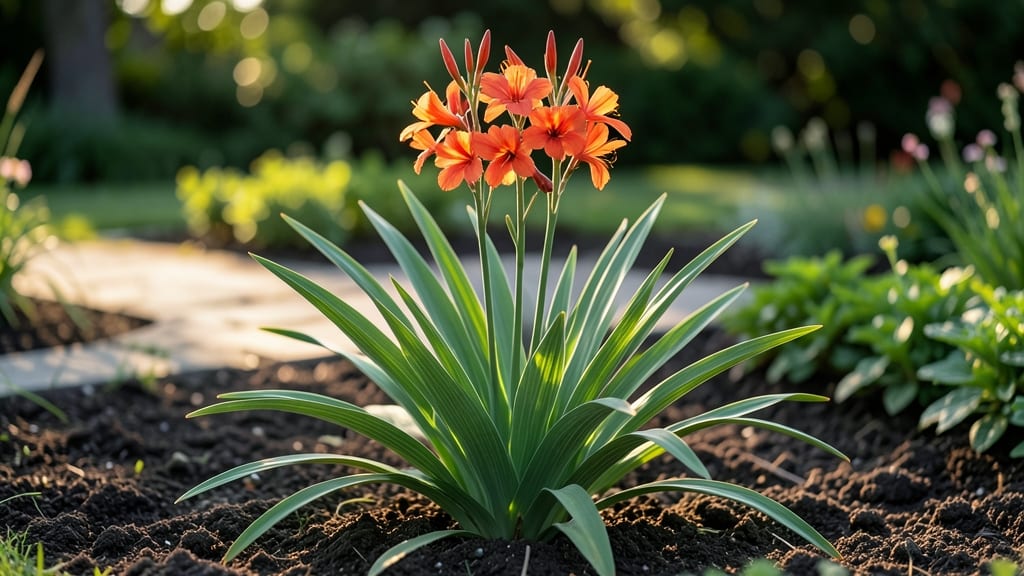
If you're wondering how tall Crocosmia grows, the answer depends on the variety—these fiery 🌸 beauties can range from compact 1-foot shrubs to towering 4-foot showstoppers. Whether you're planning a bold garden statement or a delicate border, knowing their mature height helps you space them perfectly for maximum impact.
Most gardeners start with 2-foot plants in their first year, but with proper care, they can double in height by their third season. The key lies in soil quality, sunlight exposure, and choosing the right variety—some, like 'Lucifer,' reach 4 feet while others stay closer to 2 feet.
For beginners, spacing is everything—planting too close can stunt growth, while giving them room lets them thrive. I’ll show you exactly how far apart to place them based on your climate and soil type, so you avoid overcrowding and get the full height potential.
Ready to transform your garden? Let’s break down the height ranges by variety and share pro tips to encourage taller, healthier 🌸 Crocosmia—no guesswork required.


Crocosmia height ranges by popular varieties: from compact to towering
Crocosmia plants are famous for their fiery blooms and striking foliage, but their height varies dramatically depending on the variety. Most mature plants reach 2 to 4 feet tall, but some dwarf types stay under 1.5 feet.
Understanding these differences helps you choose the perfect Crocosmia for your garden design, whether you want a bold border or a delicate accent.
Taller varieties like 'Lucifer' and 'Emily McKenzie' can top 4 feet in ideal conditions, making them perfect for back-of-border plantings or cut-flower arrangements. Meanwhile, dwarf varieties like 'George Davison' stay compact, ideal for rock gardens or container growing.
Let’s break down the height expectations for the most popular Crocosmia cultivars.
🌱 Height Matters: Planting Crocosmia too closely can stunt their growth, while giving them space encourages full, upright blooms. Always check the variety’s mature height before planting—this ensures your garden layout works year after year without overcrowding.
| Variety | Mature Height (ft) | Growth Habit | Best For |
|---|---|---|---|
| Crocosmia × crocosmiiflora 'Lucifer' | 3–4 ft | Clumping, upright | Back borders, cut flowers |
| Crocosmia × crocosmiiflora 'Emily McKenzie' | 2.5–3.5 ft | Spreading, arching | Perennial beds, cottage gardens |
| Crocosmia aurea | 2–3 ft | Clumping, semi-upright | Wildflower meadows, pollinator gardens |
| Crocosmia 'George Davison' | 1–1.5 ft | Compact, bushy | Rock gardens, containers |
| Crocosmia 'Fireworks' | 2.5–3 ft | Spreading, multi-stemmed | Mixed borders, urban gardens |
| Crocosmia 'Solfatare' | 3–4 ft | Tall, slender spikes | Cut flowers, tall garden stakes |
Notice how 'Lucifer' and 'Solfatare' reach 4 feet tall, while 'George Davison' stays under 1.5 feet. This variety matters when planning layered garden beds—place taller types at the back and shorter ones in front for a balanced, professional look.
Another key factor is seasonal height changes. Crocosmia shoots emerge in early spring at just 6 inches tall, then grow rapidly through summer. By late summer, when blooms appear, most varieties have reached 70–90% of their mature height.
This means if you’re planting near a fence or wall, check for overgrowth potential—some varieties can lean or flop without support.
💡 Pro Tip: If you love tall Crocosmia but have limited space, try pruning side shoots in early summer. This encourages stronger central stems and prevents the plant from becoming too bushy or leggy. Just avoid cutting into flower buds, as this reduces blooms.
Climate also plays a role in height. In warmer, drier regions (like USDA Zone 8+), Crocosmia often grows taller and more vigorously due to longer growing seasons. In cooler climates (like Zone 5–6), growth may be slower, with heights 10–20% shorter.
Always adjust spacing based on your local conditions to avoid overcrowding.
For container growing, choose dwarf varieties or prune regularly to keep heights under 2 feet. Even tall types like 'Lucifer' can thrive in large pots (18+ inches wide) if you train them with stakes and <
Crocosmia height ranges by popular varieties: from compact to towering
Crocosmia’s height varies dramatically by variety, with some staying 1-2 feet while others shoot up to 4 feet. Understanding these differences helps you choose the perfect 🌸 star for your garden—whether you want a low border or a dramatic backdrop.
Most varieties reach their mature height by their third year, but some, like 'Lucifer,' grow aggressively from the start.
For example, Crocosmia × crocosmiiflora 'Lucifer' is the tallest, often hitting 4 feet with fiery red blooms, while Crocosmia aurea stays closer to 2 feet. Dwarf varieties like 'Emily McKenzie' max out at 18 inches, making them ideal for containers or front-of-border planting.
The key? Sunlight and soil quality directly impact their height potential.
Seasonal changes also affect height—spring shoots start small, but by late summer, many varieties double in size. For instance, 'George Davison' might only be 1 foot tall in May but reach 3 feet by September.
This growth spurt is why spacing early is critical—crowded plants compete for nutrients and sunlight, leading to stunted growth.
If you’re in a cooler climate (USDA Zone 5-6), expect slightly shorter plants, while warmer zones (Zone 7+) often see taller, more vigorous growth. For example, 'Lucifer' in Zone 8 can hit 4 feet, while the same variety in Zone 6 might max out at 3 feet.
Always check your local microclimate—south-facing gardens with 6+ hours of sun yield the tallest Crocosmia.
Pro tip: Well-draining soil rich in organic matter (like compost) encourages taller, healthier growth. Amend heavy clay with sand or perlite to prevent root rot, which can stunt height and weaken stems.
I’ve seen Crocosmia in poor soil struggle to exceed 2 feet, while the same variety in amended beds reaches 4 feet effortlessly.
For container gardening, choose dwarf varieties like 'Emily McKenzie'—they thrive in 12-inch pots and rarely exceed 18 inches. Taller varieties need 18-inch pots or deeper to support their root systems.
Always use a fast-draining mix with perlite or orchid bark to prevent waterlogged roots, which can halt growth entirely.