
How To
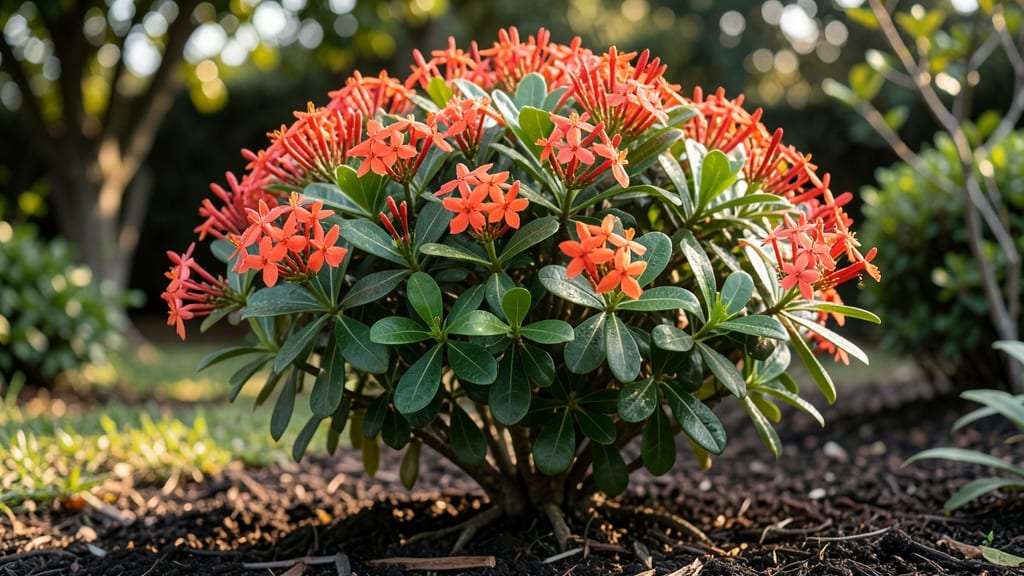
If you're wondering how tall does ixora grow, the answer might surprise you—this tropical beauty can range from a compact 2 feet to towering 6 feet, depending on the variety and care.
Picture your garden bursting with vibrant 🌺 blooms, but first, you need to know whether your ixora will stay manageable or stretch toward the sky.
Most gardeners plant ixora for its stunning flowers, but its growth habits can make or break your landscaping plans. Without proper pruning and care, even dwarf varieties can outgrow their space faster than you expect.
The key to keeping it at your ideal height lies in understanding its natural growth patterns and when to step in with a pair of shears.
In this guide, I’ll break down exactly what to expect from different ixora varieties—whether you’re working with a 3-foot dwarf or a 6-foot standard—and share my best pruning tips to keep it looking its best.
You’ll also learn how climate, soil, and sunlight play a role in its height, so you can set it up for success from day one.
Ready to transform your garden with this showstopper? Let’s dive into the details so you can enjoy ixora’s beauty without the headaches of unchecked growth.


Ixora height by variety: exact mature sizes you need to know
Ixora shrubs are famous for their vibrant, cluster-like flowers that bring tropical flair to gardens. But before you plant, knowing the mature height range of your chosen variety is key.
Most ixora varieties reach 3 to 6 feet tall at maturity, but some dwarf types stay as short as 2 feet, while larger varieties can stretch up to 12 feet in ideal conditions.
Your climate, soil, and pruning habits all play a role in how tall your ixora will grow.
For example, the Ixora 'Elf' variety stays compact at just 2 to 3 feet, making it perfect for containers or small gardens. In contrast, the Ixora coccinea can reach 6 to 10 feet if left unpruned, especially in warm, humid climates.
Understanding these differences helps you plan spacing and pruning strategies from day one.
Here’s a quick comparison of popular ixora varieties and their typical mature heights:
| Variety | Mature Height (ft) | Growth Habit | Best For |
|---|---|---|---|
| Ixora 'Elf' | 2–3 ft | Compact, bushy | Containers, small gardens |
| Ixora coccinea | 6–10 ft | Tall, upright | Hedges, privacy screens |
| Ixora chinensis | 4–6 ft | Medium, spreading | Borders, foundation plantings |
| Ixora 'Compact Star' | 3–4 ft | Dwarf, rounded | Patios, window boxes |
| Ixora 'Giant' | 8–12 ft | Large, vigorous | Tropical landscapes, large gardens |
Climate plays a huge role in ixora’s growth. In USDA Zones 10–12, where temperatures stay warm year-round, ixora can grow 20–30% taller than in cooler zones like Zone 9.
For instance, a Ixora chinensis in Florida might hit 7 feet, while the same variety in Southern California could max out at 5 feet. Always check your local frost dates and microclimate conditions when planning.
Soil quality also affects height. Ixora thrives in well-draining, acidic soil with a pH of 5.0–6.5. Poor soil or compacted clay can stunt growth, while rich, organic soil encourages taller, bushier plants.
If your garden soil is heavy, amend it with peat moss or compost before planting to promote healthier growth patterns.
Pruning is another game-changer. Without regular pruning, even dwarf varieties like 'Elf' can grow 30–50% taller than expected. On the flip side, aggressive pruning can keep a 10-foot ixora down to 5 feet while encouraging more blooms.
I’ll cover pruning techniques in detail in the next section, but for now, remember: prune after flowering to shape your plant without sacrificing next year’s blooms.
If you’re growing ixora in containers, height expectations shift dramatically. Container-grown ixora rarely exceeds 3 feet unless the pot is oversized (15+ gallons). Smaller pots restrict root growth, keeping the plant compact. This makes container ixora ideal for balconies, patios, and urban gardens where space is limited.
Pro tip: If you’re unsure about your ixora’s growth potential, start with a dwarf variety like 'Compact Star' or 'Elf'. These are forgiving for beginners and still deliver stunning blooms without the space commitment of larger types.
Once you’re comfortable, experiment with taller varieties like Ixora coccinea for a dramatic tropical look.
🌺
Pruning ixora for height control: step-by-step guide to keep it manageable
Pruning is your secret weapon to control ixora’s height and shape it into a lush, manageable shrub. Without regular pruning, your ixora plant can easily reach 6 feet or taller, which may not suit your garden design.
The good news? With the right techniques, you can keep it compact while encouraging more blooms and healthier growth.
Timing is everything when pruning ixora. The best time to prune is right after the flowering season ends, typically in late spring or early summer. This allows the plant to focus on new growth rather than producing flowers.
Avoid pruning in fall or winter, as this can stress the plant and reduce next year’s blooms.
✂️ Tools you’ll need: Sharp bypass pruners, clean garden shears, and sterilized gloves to prevent disease spread. Always use clean tools to avoid introducing pathogens to fresh cuts.
Step-by-Step Pruning Guide
- Step 1: Remove Dead or Diseased Branches – Start by cutting out any dead, damaged, or diseased wood to improve air circulation and plant health. Use clean pruners to make 45-degree cuts just above a leaf node.
- Step 2: Thin Out Overcrowded Areas – Look for crossing branches or areas where growth is too dense. Remove 1/3 of the oldest stems to encourage new, vigorous growth from the base.
- Step 3: Shape the Shrub – Use your shears to trim back overly long branches to maintain your desired height and shape. Aim for a rounded or bushy form rather than a flat-topped look.
- Step 4: Encourage Bushier Growth – Pinch back the tips of new growth in early summer to promote branching. This helps create a fuller, more compact plant with more flower clusters.
- Step 5: Light Pruning for Maintenance – Throughout the growing season, do a light trim to remove any spent blooms or leggy stems. This keeps the plant tidy and encourages continuous flowering.
If your ixora has become too tall or leggy, don’t panic. You can still revive an overgrown ixora by pruning it back by half its height in early spring. This drastic cut may seem harsh, but it stimulates new growth from the base and restores a healthier shape.
After pruning, apply a balanced fertilizer (like 10-10-10) to support recovery and new growth. Water deeply to help the plant recover from the stress of pruning. With consistent care, your ixora will bounce back with vibrant blooms and controlled height.
Remember, regular pruning isn’t just about size control—it’s also about encouraging more flowers and keeping your plant healthy. Make it a habit, and you’ll enjoy a well-shaped ixora that fits perfectly in your garden! 🌺