
How To
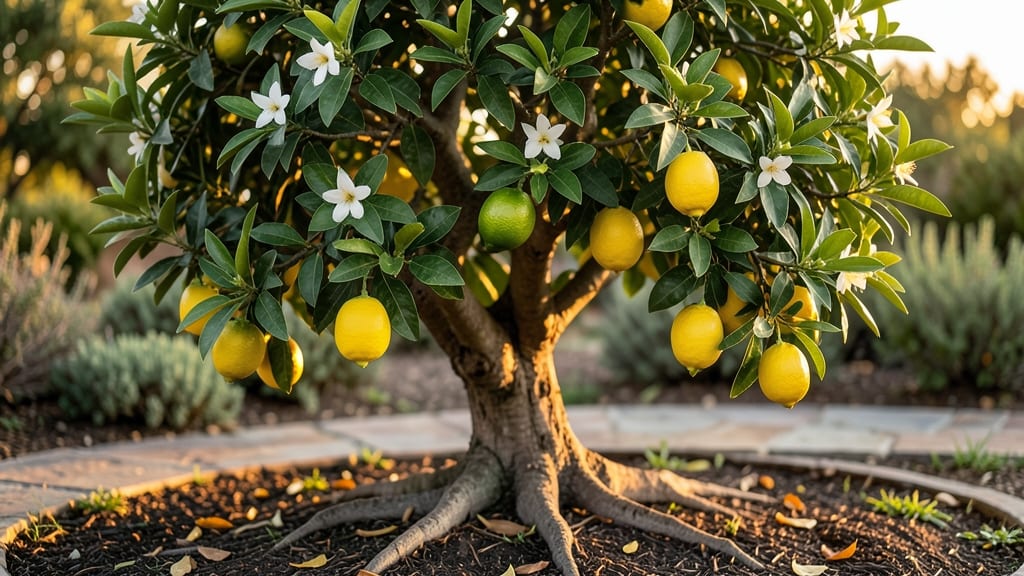
Wondering how tall does lemon tree grow before it towers over your patio or backyard? The answer isn’t just about space—it’s about choosing the right variety and giving your 🍋 the care it craves to thrive.
A standard lemon tree can reach 15-25 feet, while dwarf varieties stay compact at 6-10 feet, making them perfect for containers or small gardens.
Your lemon tree’s height depends on more than just genetics—climate, sunlight, and pruning play huge roles. In USDA Zone 6a, where winters can be chilly, proper winter care keeps your tree healthy and on track for its full potential.
Whether you’re dreaming of a backyard orchard or a balcony-sized harvest, understanding these factors is the key to managing growth without sacrificing fruit.
Container gardening? You’ll need to plan for root space and pruning to keep your tree in check. Ground planting gives your lemon tree room to stretch, but even then, regular trimming encourages bushier growth and easier fruit access.
Let’s break down the best ways to control height naturally, so you can enjoy fresh lemons without the hassle of a runaway tree.
From dwarf varieties that fit snugly in pots to standard trees that need room to grow, the right approach ensures your lemon tree stays happy—and productive. Ready to learn how to nurture a tree that fits your space and your lifestyle? Let’s get started.


Lemon tree height by variety: dwarf vs standard vs giant sizes
Choosing the right lemon tree variety isn’t just about flavor—it’s about space! A standard lemon tree can reach 15-25 feet tall, towering like a small tree in your yard. But if you’re dreaming of a balcony lemon harvest, dwarf varieties stay between 6-10 feet, perfect for containers.
The key difference? Rootstock and grafting techniques that control growth without sacrificing fruit production.
Let’s break down the most popular varieties and their mature heights. Whether you’re working with limited balcony space or a spacious backyard, knowing these ranges helps you plan for pruning, sunlight, and even ceiling clearance if growing indoors.
Climate also plays a role—warmer zones like USDA Zone 9+ push trees to grow faster and taller than cooler regions.
🌱
| Variety | Mature Height (ft) | Best For | Notes |
|---|---|---|---|
| Meyer Lemon | 6-10 ft | Containers, small yards | Cold-hardy, sweet fruit, slow-growing |
| Eureka Lemon | 15-20 ft | Large yards, ground planting | Classic lemons, needs pruning |
| Lisbon Lemon | 12-18 ft | Medium spaces, patio areas | Thick skin, drought-tolerant |
| Improved Meyer | 8-12 ft | Containers, urban gardens | Hybrid, disease-resistant, early fruiting |
| Villafranca Lemon | 10-15 ft | Patios, small orchards | Thick rind, slow to bear |
The Meyer lemon is my top pick for beginners—its compact size (6-10 feet) makes it ideal for pots, and it produces fruit year-round with minimal fuss. Meanwhile, the Eureka lemon, a standard variety, can become a backyard centerpiece but requires regular pruning to keep it manageable.
If you’re in a warmer climate (Zone 10+), expect faster growth and larger sizes, while cooler zones may see stunted growth unless you use dwarf rootstock.
For container gardening, always choose a variety labeled as "dwarf" or "patio." These are grafted onto dwarfing rootstock like Citrus macrophylla or Poncirus trifoliata, which naturally limits height.
Without these techniques, even a young lemon tree can shoot up 3-5 feet per year in ideal conditions—so plan accordingly if you’re short on space!
🌿
Did you know? The world’s tallest lemon tree (a Meyer lemon in California) hit 25 feet thanks to aggressive pruning and ideal growing conditions. While most homeowners won’t reach that height, understanding your variety’s growth potential helps you set realistic expectations.
For example, a 10-gallon pot might work for a Meyer lemon but will stunt a standard Eureka—leading to poor fruit production.
Pro tip: If you’re unsure about your space, start with a dwarf variety and monitor its growth. You can always prune it back later, but you can’t magically shrink a 20-foot tree into a 6-foot bush overnight.
Balance is key—give your tree room to thrive while keeping it accessible for harvesting.
☀️
Container vs ground planting: space requirements for healthy growth
Choosing between a container and ground planting for your lemon tree isn’t just about space—it’s about long-term health and fruit production. A dwarf variety in a 15-gallon pot can thrive on a balcony, while a standard lemon tree planted in-ground needs room to spread its roots and branches.
The right setup ensures your tree grows strong, not stressed.
For container-grown lemon trees, aim for at least 15-20 gallons of soil per tree. Smaller pots restrict root growth, leading to root-bound stress and stunted fruit production. If you’re limited to a 5-gallon pot, expect slower growth and fewer lemons.
Ground-planted trees, on the other hand, can stretch their roots 3-5 feet deep, supporting heights of 15-25 feet over time.
Container vs Ground Planting
| Factor | Container Planting | Ground Planting |
|---|---|---|
| Minimum Space Needed | 15-20 gallons | 10x10 ft (dwarf) or 15x15 ft (standard) |
| Root Depth | Limited to pot size | 3-5 feet deep |
| Sunlight Needs | 6+ hours daily | 6-8+ hours daily |
| Watering Frequency | Every 2-3 days | Every 5-7 days |
| Fruit Production | Slower, fewer lemons | Faster, abundant harvests |
When planting in containers, use a well-draining potting mix with perlite or sand to prevent root rot. If your tree outgrows its pot, repot every 2-3 years to refresh the soil and give roots more room.
For ground planting, amend the soil with compost and organic matter to encourage deep root growth and nutrient uptake.
Sunlight is non-negotiable for both setups. A south-facing window or outdoor location with 6-8+ hours of direct sun ensures your lemon tree grows vigorously. Without enough light, branches grow leggy, and fruit production suffers. If your space lacks sunlight, consider a grow light for container trees.
Watch for signs of root-bound stress in potted trees, like roots circling the pot or leaves yellowing at the edges. If you see these, it’s time to upgrade the container or move to ground planting. In-ground trees may need staking or support as they grow taller, especially in windy areas.
With the right space and care, your lemon tree will thrive—whether it’s a 6-foot dwarf on your patio or a 20-foot giant in your backyard. The key is matching its needs to your space, not forcing it to fit. 🌱