
How To
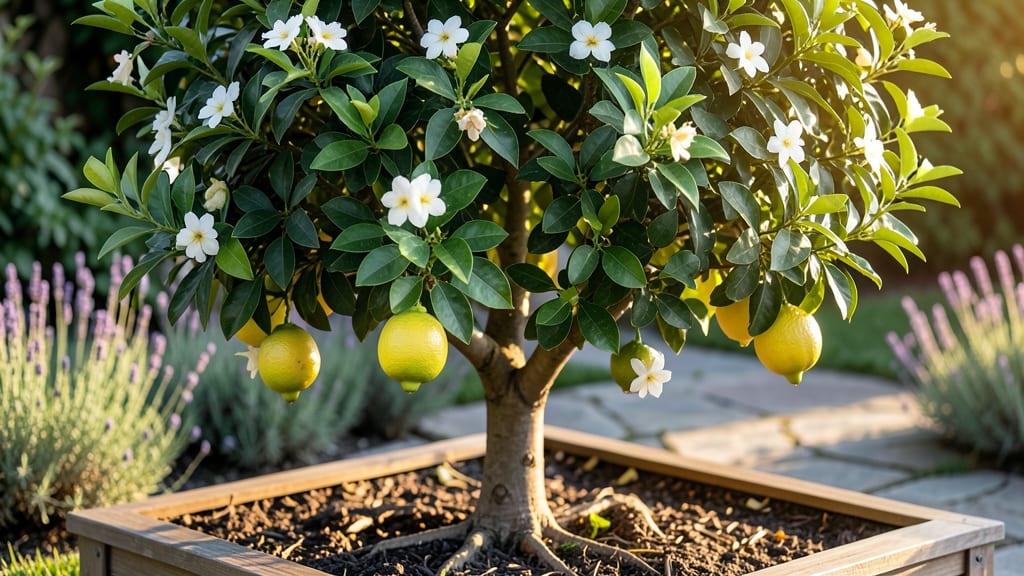
If you’re wondering how tall does a Meyer lemon tree grow, the answer might surprise you—these citrus stars can reach 6 to 10 feet in ideal conditions, but with the right care, you can keep them much smaller.
Whether you’re dreaming of a 🍋 Meyer lemon tree on your patio or in a container, size isn’t the limiting factor it seems.
Many gardeners assume citrus trees need sprawling yards to thrive, but Meyer lemons are one of the most adaptable varieties. With proper pruning and container choices, you can easily manage their height—even in tight spaces. This makes them perfect for urban gardens, balconies, or small yards where every inch counts.
In this guide, I’ll break down everything you need to know about Meyer lemon tree growth, from their natural height progression to the best space-saving varieties. You’ll also discover simple pruning techniques to control their size and keep them productive year after year.
Ready to grow your own lemons without sacrificing space? Let’s get started—your future harvest is just a few feet away!


Meyer lemon tree height: expected growth stages from seedling to mature tree
Understanding how tall a Meyer lemon tree grows helps you plan your garden layout or container setup. These trees are fast-growing citrus varieties that reach their mature height within 3-5 years, depending on growing conditions.
In ideal settings, they typically grow 8-12 feet tall, but with proper care, you can keep them smaller—especially in containers.
Your Meyer lemon tree’s height depends on factors like sunlight exposure, pruning habits, and whether it’s grown in the ground or a pot.
For example, a tree in full sun with regular pruning may stay around 6-8 feet, while one left unchecked can reach 12 feet or taller. Let’s break down the growth stages so you can set realistic expectations.
📋 Key Growth Stages:
| Stage | Height Range | Timeframe | Care Tips |
|---|---|---|---|
| Seedling | 0.5–1 ft | 0–6 months | Provide bright light, keep soil moist, and avoid cold drafts. |
| First Year | 2–3 ft | 12–18 months | Use a 15-gallon container for potted growth; fertilize lightly in spring. |
| Second Year | 4–6 ft | 18–24 months | Prune to shape; upgrade to 20+ gallon pot if container-grown. |
| Mature Tree | 8–12 ft | 3–5 years | Prune annually to control height; harvest lemons in fall/winter. |
If you’re growing your Meyer lemon tree in containers, height growth slows significantly compared to in-ground planting. A dwarf variety like Improved Meyer can stay under 6 feet with proper pruning, while standard varieties may reach 10-12 feet in ideal conditions.
For example, my container-grown Meyer lemon reached 5 feet in its third year thanks to regular pruning and a 20-gallon pot.
Another critical factor is sunlight exposure. Trees in full sun (6+ hours daily) grow faster and taller than those in partial shade. If your tree isn’t getting enough light, it may stay stunted or produce fewer lemons.
For Zone 6 gardeners, placing your tree near a south-facing wall can maximize sunlight during shorter winter days.
Pruning plays a massive role in controlling height. By pruning back 25-30% of new growth in late winter or early spring, you encourage a bushier shape and slower vertical growth. I’ve seen Meyer lemon trees kept under 6 feet through consistent pruning, making them perfect for patios or small yards.
Just avoid heavy pruning in late summer, as this can stress the tree before winter.
For those in small spaces, consider dwarf rootstocks like Citrange or Flying Dragon. These rootstocks naturally limit height while improving cold hardiness. A dwarf Meyer lemon on Citrange rootstock might only reach 4-6 feet, making it ideal for balconies or small gardens.
Always check the rootstock type when purchasing your tree, as this directly impacts mature height.
Finally, remember that container size matters. A 15-gallon pot restricts root growth, keeping your tree smaller, while a 50+ gallon container allows for faster, taller growth. If you’re aiming for a compact Meyer lemon tree, stick to 15-20 gallon pots and prune regularly.
For larger trees, upgrade to 25+ gallon containers and provide sturdy support as the tree grows.
With the right care, your Meyer lemon tree can thrive in almost any space—whether it’s a backyard corner, a patio container, or even a sunny windowsill.
The key is understanding its growth stages and adjusting care accordingly. Start small, monitor growth, and enjoy fresh lemons year after year!
Best space-saving Meyer lemon tree varieties for small yards & containers
If you love the idea of growing Meyer lemons but lack yard space, don’t worry—there are compact varieties and rootstock options designed to thrive in containers or tight spaces. The key is choosing the right dwarf or semi-dwarf cultivar, which can stay under 6 feet tall with proper care.
These varieties produce just as many sweet, juicy lemons as their taller counterparts but require far less room.
For containers, look for trees grafted onto dwarfing rootstock like Citrange Carrizo or Flying Dragon. These rootstocks naturally restrict growth while still supporting healthy fruit production. Even in small patios or balconies, you can expect harvests within 2-3 years from a properly cared-for dwarf Meyer lemon tree.
| Variety | Mature Height | Best For | Notes |
|---|---|---|---|
| Improved Meyer | 6–8 ft | Containers, Small Yards | Cold-hardy to 20°F, grafted on dwarf rootstock. |
| Four Seasons® Meyer Lemon | 6–8 ft | Containers, Year-Round Fruit | Produces fruit year-round in warm climates. |
| Standard Meyer (on Citrange) | 8–10 ft | Large Containers, Ground Planting | Slower growth, needs 15+ gallon container. |
| Meyer on Flying Dragon Rootstock | 5–7 ft | Ultra-Compact Spaces | Dwarfest option; needs pruning to stay small. |
When shopping for a Meyer lemon tree, always check the rootstock—this is what determines how tall your tree will grow. Flying Dragon rootstock is the most restrictive, keeping trees under 5 feet even without pruning, while Citrange Carrizo allows for 6–8 feet of growth.
If you’re planting in a container, opt for the smallest variety you can find to maximize fruit production without sacrificing space.
For small yards, consider planting your Meyer lemon near a south-facing wall or fence. The wall acts as a windbreak and reflects sunlight, helping the tree grow faster and stronger.
Even in containers, these trees can thrive if given full sun (6+ hours daily) and well-draining soil. Just remember: bigger containers = slower growth (15+ gallons for dwarf varieties), but they also mean less frequent watering and better stability in windy areas.
One of the biggest mistakes I see is buying a standard Meyer lemon tree and expecting it to stay small.
These trees can easily reach 10–12 feet if left unpruned, which is why I always recommend starting with a dwarf or semi-dwarf variety—they’re just as productive but far easier to manage.
Plus, their compact size makes them perfect for balconies, patios, and even indoor growing with the right light setup.
If you’re unsure which variety to choose, start with the Improved Meyer—it’s the most cold-hardy option (down to 20°F) and adapts well to containers. For year-round fruit, the Four Seasons® Meyer Lemon is unbeatable, though it requires warmer climates to thrive.
Either way, you’ll be enjoying homegrown lemons in no time, no matter how small your space! 🍋