
How To
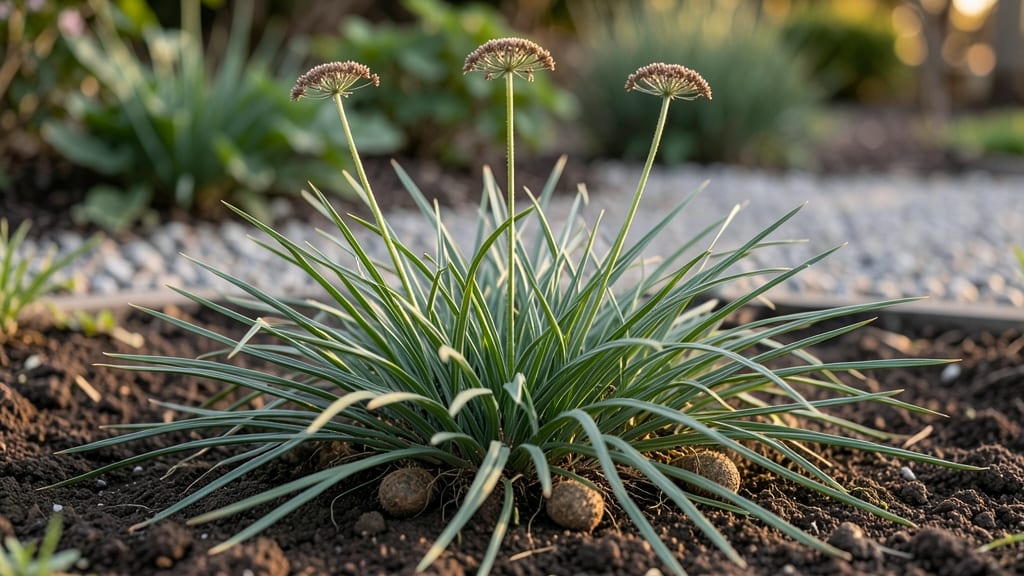
If you’ve ever pulled what you thought was a stubborn weed, only to see it pop back up thicker and taller in just days, you’ve likely met nutsedge—a garden nemesis that how tall does nutsedge grow can shoot up to 3 feet tall if left unchecked.
This relentless invader doesn’t just spread wide; it grows fast, forming underground tubers that make it nearly impossible to eradicate with a quick yank.
Understanding how tall does nutsedge grow is key to stopping it before it takes over your lawn or garden beds. While some varieties max out around 2.5 feet, others can reach full height in under a month, especially in warm, moist soil.
The problem? Most gardeners don’t realize how aggressive it is until it’s too late.
In this guide, I’ll break down the growth habits of the most common nutsedge species, including their height ranges and spread rates. You’ll learn the critical signs to watch for and actionable steps to manage it before it becomes a full-blown infestation. Let’s tackle this persistent weed head-on.
Whether you’re dealing with purple nutsedge, yellow nutsedge, or nutgrass, knowing how quickly it grows will help you act faster. The sooner you recognize its height and spread patterns, the easier it is to keep your garden looking neat—and weed-free. Ready to reclaim your space?


Nutsedge growth height by species: purple vs yellow vs nutgrass
Nutsedge isn't just one plant—it's a trio of tenacious weeds, each with its own growth height and spread patterns. The three most common types are purple nutsedge, yellow nutsedge, and nutgrass, all belonging to the Cyperus family.
Understanding their differences helps you tackle them before they reach their full invasive potential.
Purple nutsedge (Cyperus rotundus) is the most aggressive, with mature heights of 1.5 to 3 feet under ideal conditions. Its triangular stems and purple-tinged bases make it easy to spot once it’s established.
Yellow nutsedge (Cyperus esculentus), while slightly shorter, can still climb to 2 to 2.5 feet, blending seamlessly into lawns and garden beds.
Nutgrass, often confused with yellow nutsedge, typically stays shorter (1 to 2 feet) but spreads just as aggressively underground. The key difference? Nutgrass has yellow-green stems and forms nutlets (hard, seed-like tubers) that can lie dormant for years, waiting for the perfect moment to sprout.
All three species share one terrifying trait: rapid vertical growth. Under warm, moist conditions, purple nutsedge can shoot up 1 inch per day, while yellow nutsedge and nutgrass grow slightly slower but make up for it with underground tuber production.
This means even if you mow them down, new shoots will emerge within days.
| Species | Max Height | Growth Rate | Underground Spread | Seasonal Peak |
|---|---|---|---|---|
| Purple Nutsedge | 1.5–3 ft | Up to 1 inch/day | Tubers every 2–3 inches | Spring–Summer |
| Yellow Nutsedge | 2–2.5 ft | 0.5–1 inch/day | Tubers every 3–4 inches | Summer–Fall |
| Nutgrass | 1–2 ft | 0.3–0.7 inch/day | Nutlets every 1–2 inches | Spring–Early Summer |
🌱 Note: All species can grow taller in disturbed soil or high-moisture areas.
Seasonal variations play a huge role in nutsedge growth. In spring, when soil temperatures rise above 60°F, purple nutsedge shoots up fastest, often outpacing lawn grasses. By summer, yellow nutsedge takes over, thriving in hot, humid conditions and forming dense patches.
Nutgrass, meanwhile, peaks in early summer but can resprout from dormant nutlets if disturbed.
If left unchecked, nutsedge can dominate garden beds within weeks. I’ve seen it turn a pristine vegetable patch into a jungle of 3-foot-tall weeds in just two months. The key to control? Early detection and aggressive removal before the tubers spread deeper than 6 inches underground.
One common misconception is that nutsedge only grows tall in full sun. While it prefers bright light, it can still reach 1.5 to 2 feet in partial shade, especially in moist, compacted soil.
This makes it a persistent problem in shady lawns and woodland edges, where other weeds struggle to compete.
To visualize the threat, imagine a single purple nutsedge tuber splitting into 50 new shoots by midsummer. Each shoot can grow 1 foot in just 10 days, creating a dense, impenetrable mat that chokes out your plants. That’s why preventing spread—not just height control—is your best defense.
Next, we’ll dive into how fast nutsedge spreads and the 5 critical times to act before it’s too late. Trust me, you’ll want to mark your calendar for these high-risk periods—they’re the difference between a manageable patch and a full-blown invasion.
Nutsedge growth height by species: purple vs yellow vs nutgrass
When dealing with nutsedge, knowing its height potential is crucial for effective control. This invasive weed can shoot up surprisingly fast, often outpacing other weeds in your landscape.
The three most common species—purple nutsedge, yellow nutsedge, and nutgrass—vary in their growth habits, but all share one thing: they grow taller and faster than you’d expect from a weed.
Understanding these differences helps you target treatment methods more effectively. For example, purple nutsedge often reaches 3 feet tall under ideal conditions, while yellow nutsedge typically maxes out around 2.5 feet.
Nutgrass, a less common but equally troublesome variant, usually stays between 1.5 to 2 feet. These variations matter because taller species can compete with crops or smother lawns more aggressively.
| Species | Mature Height | Growth Rate | Invasive Spread |
|---|---|---|---|
| Purple Nutsedge | Up to 3 ft | 1 inch/day | Aggressive (underground tubers) |
| Yellow Nutsedge | Up to 2.5 ft | 0.75 inch/day | Moderate (nutlets spread) |
| Nutgrass | 1.5–2 ft | 0.5 inch/day | Slow but persistent |
The growth rate of nutsedge is another critical factor. In ideal conditions—moist, sunny soil—purple nutsedge can grow up to 1 inch per day. This means a single tuber can produce a 3-foot stalk in just 3 weeks, leaving your lawn or garden beds overrun if unchecked.
Yellow nutsedge grows slightly slower but still poses a serious threat, especially in warm, humid climates where it thrives.
Seasonal variations also play a role in how tall nutsedge grows. During spring and summer, when temperatures and moisture levels are high, nutsedge shoots can sprout rapidly from dormant tubers.
In cooler months, growth slows, but the underground tubers remain active, preparing to surge back when conditions improve. This makes early seasonal monitoring essential for preventing a full-blown infestation.
If you’ve noticed nutsedge in your garden, act quickly. The longer you wait, the taller and more widespread it becomes. For example, a single purple nutsedge plant left untreated can produce hundreds of tubers per year, each capable of growing into its own stalk.
This underground network is why nutsedge is so difficult to eradicate once established—it’s not just about the height above ground but the hidden network below.
To keep nutsedge in check, focus on preventing new growth and removing existing plants before they reach maturity. Regular lawn maintenance, like mowing high and avoiding overwatering, can reduce its competitive edge. For severe infestations, consider targeted herbicides or organic methods like vinegar-based sprays applied directly to the stems.