
How To
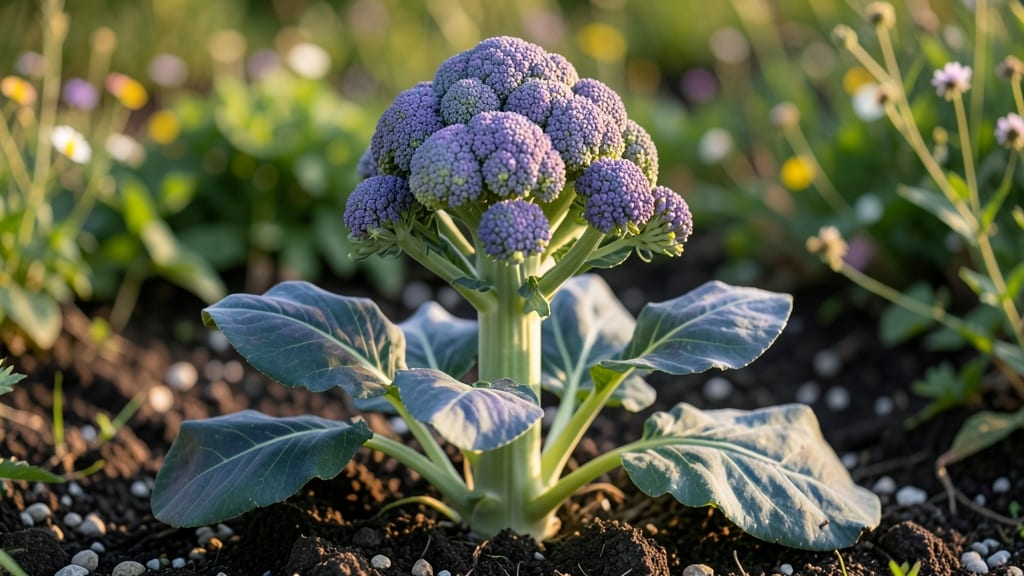
Purple sprouting broccoli height guide: mature growth stages explained
Purple sprouting broccoli is a towering powerhouse in the garden, often reaching heights that make it perfect for vertical gardening. Unlike its green cousin, this variety grows 6 to 10 feet tall under ideal conditions, with some varieties like 'Violetta' climbing even higher.
Understanding its growth stages helps you plan for space and support from the start.
From seed to harvest, purple sprouting broccoli passes through three key height milestones. First, seedlings emerge at just 1–2 inches tall after 7–14 days. By 4–6 weeks, they’ll stretch to 12–18 inches—a rapid growth phase where sturdy stems form.
This is when you’ll notice the first signs of purple florets developing at the tips.
Here’s where things get exciting: once established, the main stalk can shoot up 3–5 feet per season, with side shoots (the edible sprouts) emerging along the way. These lateral branches add 1–3 feet of extra height and are the real harvest goldmine.
The plant’s final height depends on variety, climate, and care—but expect at least 6 feet in most home gardens.
| Growth Stage | Height Range | Key Features |
|---|---|---|
| Seedling | 1–2 inches | First true leaves appear; delicate stems |
| Vegetative Growth | 12–18 inches | Rapid stem elongation; purple florets begin forming |
| Mature Plant | 6–10 feet | Main stalk + side shoots; sturdy 1–2 inch stalks |
| Harvest Phase | Ongoing (60–120 days) | Side shoots emerge; continuous harvest from lower stalks |
Climate plays a huge role in final height. In cooler regions (USDA Zones 5–7), purple sprouting broccoli often tops out at 8–10 feet due to extended growing seasons.
Warmer zones (Zones 8+) may see slightly shorter plants (5–7 feet) unless you provide shade during peak summer. Sunlight is non-negotiable—plants need 6+ hours of direct sun daily to reach their full potential.
Soil fertility also impacts height. Amend your garden with compost or aged manure before planting to ensure nutrient-rich soil. A pH of 6.0–7.0 is ideal, and regular feeding with a balanced 10-10-10 fertilizer every 4–6 weeks keeps stems strong and upright.
Without proper nutrients, you’ll see stunted growth or weak stalks that struggle to support the plant’s weight.
One common misconception is that purple sprouting broccoli grows like a bush. In reality, it’s a tall, woody-stemmed perennial that can live for years if given the right conditions. This makes it perfect for permanent garden beds or as a focal point in vertical gardens.
Just be prepared for its impressive reach—it’s not a plant to crowd in small spaces!
If you’re growing in containers, expect slightly shorter heights (4–6 feet) due to root restrictions. But with proper trellising and support, you can still enjoy a bountiful harvest.
The key is to train the main stalk upward early and prune side shoots to encourage upward growth rather than sprawling.
For gardeners in urban areas, purple sprouting broccoli’s height is actually an advantage. A 6-foot-tall plant can produce 2–3 times more side shoots than a compact variety, making it a space-efficient powerhouse.
Just ensure your trellis or support structure can handle 20+ pounds of mature plant weight when fully loaded with florets.
🌱 Ready to grow your own towering purple sprouting broccoli? Start by choosing a sunny, well-drained spot with room to accommodate its height—and don’t forget the trellis!
Space-saving techniques: how to grow tall purple sprouting broccoli in small gardens
Purple sprouting broccoli’s vertical growth habit makes it perfect for small gardens, but without proper support, those 6–10-foot stalks can overwhelm your space. The key is choosing the right trellising method and spacing plants strategically to encourage upward growth while preventing sprawl.
For urban balconies or tight garden beds, opt for vertical netting or A-frame trellises—both allow the plant’s natural climbing tendency to shine. I’ve found that 18-inch spacing between plants gives each stalk enough room to grow tall without competing for sunlight at the base.
🌱
| Support Type | Best For | Pros | Cons |
|---|---|---|---|
| Vertical Netting | Balconies, small beds | Lightweight, affordable, easy to install | May sag under heavy plants |
| A-Frame Trellis | In-ground gardens | Sturdy, supports 10+ ft growth | Requires more space upfront |
| Container Trellis | Patios, decks | Portable, great for renters | Limited root space |
If you’re growing in containers, choose deep pots (at least 12 inches deep) with built-in trellises or attach a small cage to the side. I’ve had success with 5-gallon buckets fitted with bamboo stakes—just ensure drainage holes are present to prevent root rot.
For companion planting, pair purple sprouting broccoli with low-growing herbs like thyme or chives at its base. This not only saves space but also deters pests like cabbage moths. Avoid planting near potatoes or tomatoes, as they compete for nutrients and can stunt growth.
Regular pruning of side shoots encourages taller, straighter stalks. Pinch back any shoots that grow horizontally to redirect energy upward. With the right support, your purple sprouting broccoli will reach its full 6–10-foot potential without taking over your garden.
☀️