
How To
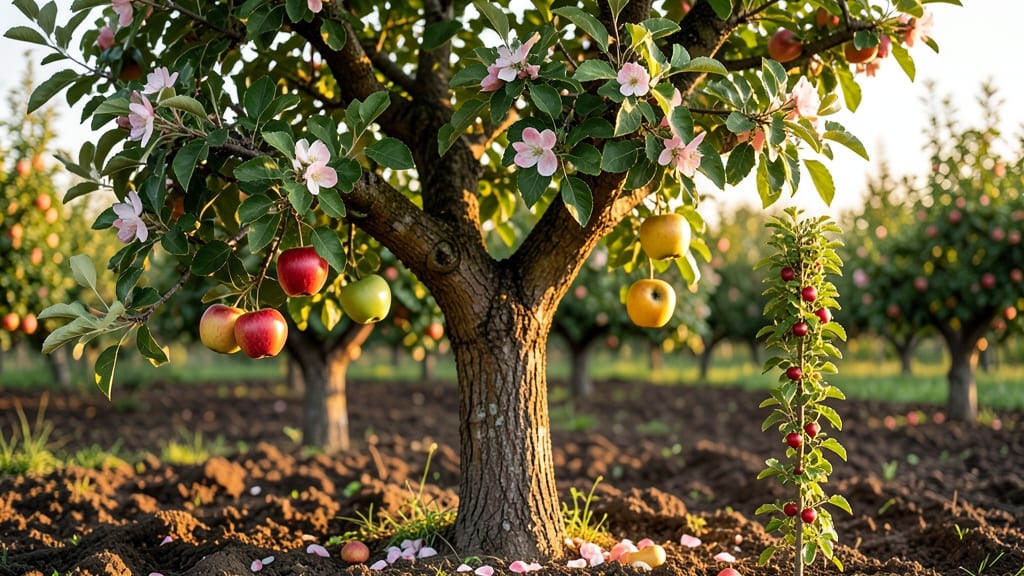
If you're wondering how tall does an apple tree grow, the answer might surprise you—because some varieties stay as small as shrubs, while others reach towering heights.
With 🍎 trees ranging from just 6 feet to over 30 feet, your garden’s size and layout play a huge role in which type you can grow successfully.
Standard apple trees can become massive, requiring 20-30 feet of space, but dwarf varieties stay compact at 6-12 feet, making them perfect for small yards or even containers.
If you're working with limited space in USDA Zone 6a, choosing the right variety is the key to enjoying fresh fruit without sacrificing your lawn.
Beyond just height, factors like rootstock, pruning, and sunlight exposure all influence how big your tree will get. I’ll break down the best options for your garden, so you can pick a variety that fits your space—and your dream of a homegrown harvest.
Whether you’re planting in spring or planning for next year, understanding these growth habits will help you avoid common mistakes. Let’s explore the best ways to manage your apple tree’s size naturally, so you can enjoy August-October harvests without the headache of overgrowth.


Apple tree height guide: standard vs dwarf vs semi-dwarf varieties explained
When planning your orchard—or even a single apple tree—knowing the mature height is essential. Standard apple trees can reach 20-30 feet tall, making them perfect for large properties but impractical for urban gardens.
Meanwhile, dwarf varieties stay between 6-12 feet, fitting neatly into small yards or containers. The difference? Rootstock selection—the underground part of the tree that determines size.
Semi-dwarf apple trees bridge the gap at 12-18 feet tall, offering a balance between manageable size and robust fruit production. These medium-height trees are ideal for suburban gardens where space is limited but you still want traditional apple tree benefits.
Understanding these categories helps you choose the right variety for your available space and garden layout.
Here’s how each type compares in terms of height, space needs, and growth habits—so you can pick the perfect apple tree for your backyard:
| Type | Mature Height | Space Needed | Growth Rate | Best For |
|---|---|---|---|---|
| Standard | 20-30 ft | Large yards, orchards | Slow to moderate | Traditional orchards, rural areas |
| Semi-Dwarf | 12-18 ft | Suburban yards, medium spaces | Moderate | Backyards, small farms |
| Dwarf | 6-12 ft | Containers, patios, small gardens | Fast | Urban gardens, balconies |
Standard apple trees, like the classic 'Granny Smith' or 'Fuji', grow tall because they’re grafted onto seedling rootstock. This means they take up more space but produce larger fruit yields.
If you’re working with limited space, opt for semi-dwarf rootstock like 'M.9' or 'M.26', which restrict height while maintaining productivity.
Dwarf apple trees, such as those grafted onto 'B.9' or 'Budagovsky 9' rootstock, are the ultimate space-savers. They grow just 6-12 feet tall and can even thrive in 5-gallon containers if pruned regularly.
These are perfect for balcony gardens or small urban plots where every inch counts. Just remember, dwarf trees need more frequent pruning to keep them healthy and productive.
Another factor influencing height is the growing environment. Trees in full sun (6+ hours daily) grow taller and stronger than those in partial shade. Poor soil drainage or nutrient deficiencies can stunt growth, while rich, well-draining soil encourages healthy expansion.
If your garden soil is clay-heavy, consider planting in raised beds to improve root development and height potential.
For first-time growers, semi-dwarf varieties offer the best compromise. They’re easier to manage than standard trees but still produce high-quality fruit. Popular choices include 'Honeycrisp' or 'Gala' on semi-dwarf rootstock, which mature at 12-16 feet and fit well in suburban backyards.
Pair them with a compatible pollinator variety for better fruit set.
If you’re growing apples in containers, dwarf varieties are your best bet. Look for columnar apple trees, like 'Columnar Red Delicious', which grow vertically to 8-10 feet tall but stay narrow (just 2-3 feet wide).
These are ideal for patio gardening and can be moved indoors during winter in colder climates.
One common mistake is assuming all apple trees grow the same size. 'Columnar' and 'Spindle' varieties, for example, are bred to stay compact, while 'Standard' trees need room to spread their branches.
Always check the rootstock type when buying, as this determines height more than the scion (the top part of the tree where fruit grows).
For urban gardeners, dwarf apple trees are a game-changer. They produce full-sized apples despite their small stature, and many varieties, like 'Patio' types, are bred specifically for containers. Just ensure your container has drainage holes and is at least 15 gallons in size to support healthy root growth.
No matter which size you choose, remember that pruning plays a huge role in managing height. Regular pruning not only controls growth but also improves air circulation and fruit quality.
We’ll cover pruning tips in detail in the next section, but for now, know that even dwarf trees need annual pruning to stay productive and compact.
Apple tree height guide: standard vs dwarf vs semi-dwarf varieties explained
When planning your apple orchard—whether it's a backyard grove or a container garden—knowing how tall your apple tree will grow is critical. The difference between a 20-foot giant and a 6-foot dwarf can mean the difference between a dream harvest and a space crunch.
Most apple trees fall into three main height categories: standard, semi-dwarf, and dwarf, each with distinct growth patterns and space requirements.
The rootstock you choose determines 90% of your tree's mature height. Standard trees, grafted onto vigorous rootstock like seedling or Malling 9, can reach 20-40 feet—tall enough to block sunlight for smaller plants below.
Semi-dwarf varieties, often grafted onto Malling 7 or MM106, typically max out at 12-16 feet, making them ideal for suburban yards. Dwarf trees, like those on Malling 26 or Budagovsky 9 rootstock, stay between 6-12 feet, perfect for containers or tight spaces.
| Type | Mature Height | Rootstock Examples | Space Needed |
|---|---|---|---|
| Standard | 20-40 ft | Seedling, Malling 9 | 20+ ft diameter |
| Semi-Dwarf | 12-16 ft | Malling 7, MM106 | 12-15 ft diameter |
| Dwarf | 6-12 ft | Malling 26, Budagovsky 9 | 8-10 ft diameter |
🌱 Pro Tip: Dwarf trees produce fruit earlier (3-4 years vs 6-8 for standard trees).
Growth rates also vary by type. A standard apple tree might grow 1-2 feet per year until maturity, while dwarf varieties can reach half their mature height in just 2-3 years.
For example, a 'Red Delicious' on seedling rootstock could top 30 feet in a decade, whereas a 'Liberty' dwarf stays under 8 feet even at full maturity. This makes dwarf trees ideal for urban gardens or balcony containers, where space is at a premium.
Environmental factors like sunlight, soil quality, and water access can influence height too. Trees in full sun with well-draining soil grow faster and stronger, while those in shade or compacted soil may stay shorter but produce smaller fruit.
If you're growing in containers, choose dwarf rootstock and upgrade your pot size every 2-3 years to accommodate root growth.
For pollination, remember that most apple trees are self-pollinating, but cross-pollination improves fruit set. If you're planting a single dwarf tree, pair it with another compatible variety (like 'Honeycrisp' with 'Gala') within 50 feet for best results.
Even in small spaces, this ensures you get that juicy harvest you're dreaming of.
If you're torn between varieties, consider your long-term goals. A semi-dwarf offers a balance—easier to manage than a standard tree but with larger fruit yields than dwarfs.
Meanwhile, columnar varieties (like 'Columnar Red Delicious') grow just 6-8 feet tall but produce fruit along their entire length, making them perfect for vertical gardening. 🌳