
How To
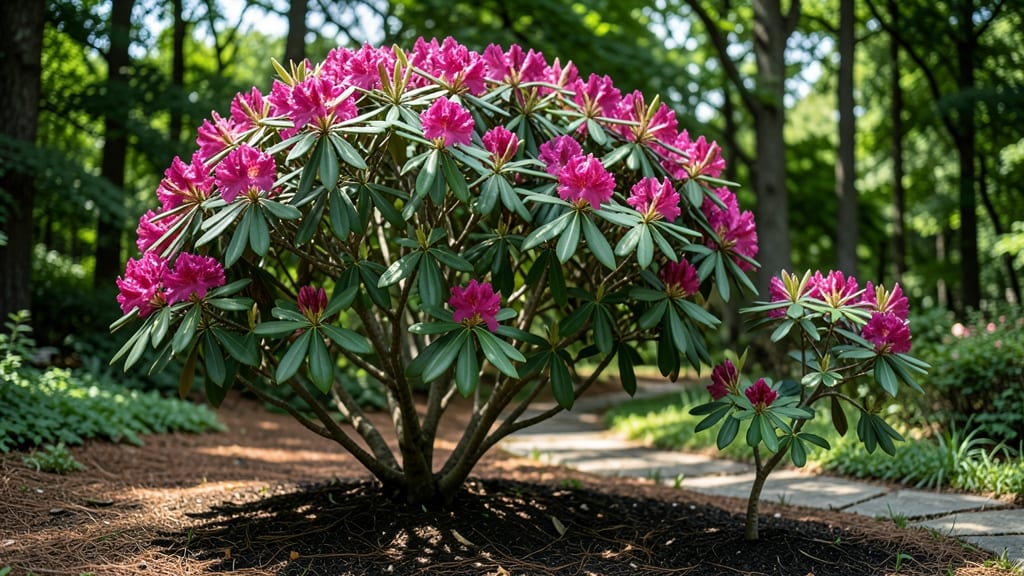
If you're dreaming of a rhododendron that fits perfectly in your garden without becoming an unruly giant, you’re in the right place—but first, let’s talk about how tall does a rhododendron grow.
These stunning 🌸 shrubs can range from compact 3-foot dwarfs to towering 20-foot giants—depending on the variety and care you provide.
The key to controlling their height lies in understanding their natural growth patterns and when to prune. Whether you're working with a small garden or a sprawling landscape, knowing how tall your rhododendron could grow—and how to shape it—makes all the difference.
From dwarf varieties that stay under 4 feet to standard types reaching 15 feet, we’ll break down the options so you can pick the perfect fit. Plus, I’ll share seasonal pruning tips to keep your plant at your desired height without sacrificing those gorgeous blooms.
Ready to transform your garden with a rhododendron that stays just the right size? Let’s dive into the details—so you can enjoy its beauty without the worry of it outgrowing its welcome.


Natural rhododendron height by variety: small, medium, and giant types explained
Rhododendrons are stunning ornamental shrubs that vary dramatically in size, from compact dwarf varieties perfect for small gardens to towering giants that dominate landscapes.
The mature height of your rhododendron depends entirely on the cultivar you choose, with some reaching just 3 feet tall while others stretch toward 20 feet at maturity.
Understanding these height ranges helps you select the right variety for your space. For example, a dwarf rhododendron like 'PJM' stays between 6-8 feet tall, making it ideal for foundation plantings or mixed borders.
Meanwhile, a giant variety like 'Nova Zembla' can soar to 15-20 feet, better suited for large estates or woodland gardens.
Here’s a quick comparison to visualize how different rhododendron varieties grow:
| Variety Type | Height Range | Best For | Popular Cultivars |
|---|---|---|---|
| Dwarf | 3–6 ft | Containers, small gardens, rockeries | 'PJM', 'Alice', 'Boule de Neige' |
| Semi-Dwarf | 6–8 ft | Foundation plantings, mixed borders | 'Catawbiense', 'Roseum Elegans' |
| Standard | 8–15 ft | Large gardens, woodland edges | 'Nova Zembla', 'Grandiflorum' |
| Giant | 15–20 ft | Specimen plants, large landscapes | 'Giganteum', 'Yaku Angel' |
If you’re working with limited space, dwarf varieties like 'Boule de Neige' (3–4 ft) or 'Alice' (4–5 ft) are excellent choices. These compact shrubs thrive in containers or as border accents, adding color without overwhelming your garden layout.
For larger properties, standard or giant varieties create dramatic focal points. For example, 'Nova Zembla' with its vibrant pink blooms can become a seasonal centerpiece, attracting pollinators and adding vertical interest to your landscape.
One critical factor influencing height is the growth rate of each variety. Dwarf rhododendrons may only grow 6 inches per year, while giant types can add 1-2 feet annually under ideal conditions.
This means a 6-foot dwarf might take 10 years to mature, while a 15-foot giant could reach full height in 5-7 years.
Another key consideration is the spread of the shrub. Many rhododendrons grow as wide as they are tall, so a 6-foot-tall variety might also spread 5-6 feet. Always check the mature spread when selecting a cultivar to avoid crowding other plants.
For urban gardens or small yards, consider pruning techniques to manage height naturally. Even a giant variety can be kept smaller with regular trimming, though this may reduce flowering. The goal is to balance aesthetic control with plant health.
Finally, remember that soil quality and sunlight exposure play roles in height. Rhododendrons in rich, acidic soil with partial shade tend to grow more vigorously than those in poor soil or full sun. Always plant in well-draining, organic-rich soil to support healthy growth.
Seasonal pruning techniques to control rhododendron height effectively
Pruning your rhododendron at the right time and with the right technique can keep its height in check while promoting healthy blooms and bushier growth. Unlike many shrubs, rhododendrons bloom on old wood, so timing is everything to avoid sacrificing next year’s flowers.
Let’s break down the best practices for each season to maintain your desired height without stressing the plant.
In late winter or early spring (just as new growth begins), focus on structural pruning. This is when you remove any dead, diseased, or crossing branches to improve airflow and shape.
Avoid heavy pruning now—stick to removing no more than 1/3 of the plant’s height to preserve next year’s flower buds, which form on last year’s growth.
Here’s a step-by-step guide for seasonal pruning, tailored to keep your rhododendron at your preferred height while ensuring it stays vibrant and full.
For dwarf varieties like 'PJM', minimal pruning is needed—just remove any overly leggy branches to maintain a compact shape. For taller varieties like 'Nova Zembla', you’ll need to prune more aggressively in spring to control height, but always prioritize preserving flower buds.
Use sterilized tools and make cuts at a 45-degree angle just above a bud to encourage new growth. Never prune more than 25% of the plant’s height in a single season, or you risk weakening it.
With consistent care, your rhododendron will stay at your desired height while thriving for years to come.
Pro tip: If your rhododendron is already too tall, gradual pruning over 2-3 years is safer than drastic cuts. This gives the plant time to adjust and recover without shock.