
Watering
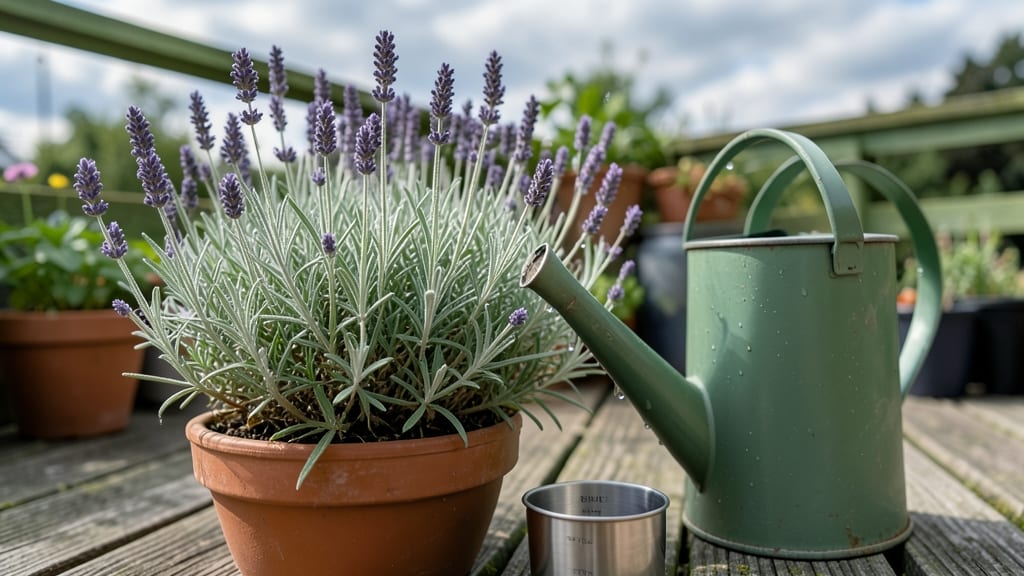
Mastering the lavender plant how much water question is the difference between lush, fragrant blooms and sad, crispy stems—because this drought-loving herb despises soggy roots.
I’ve learned the hard way that most gardeners overdo it, thinking more water equals happier plants, when the truth is far simpler: lavender thrives on neglect (well, almost).
Here’s the game-changer: deep watering once a week in spring and fall, then cutting back to every 10-14 days in summer’s heat. The key is letting the soil dry completely between waterings—stick your finger an inch down, and if it feels damp, wait.
This isn’t just theory; it’s how my 🌿 lavender bushes in zone 6a have flourished for years without a single wilt.
But what if you’re in pots or dealing with clay soil? That’s where the real art comes in—because container lavender needs more frequent checks (every 5-7 days) and might need a drainage boost.
And let’s talk about the red flags: yellowing leaves or mushy stems? Those are your plant’s SOS signals, and I’ll show you how to revive it fast.
Ready to stop guessing and start growing? I’ll break down the exact watering schedule by season, plus the sneaky tricks to keep your lavender happy without drowning it. Let’s make your garden the envy of the neighborhood—one deep soak at a time.
Lavender watering schedule by season: how much and when
Lavender thrives on consistency and drought tolerance, so its watering needs shift dramatically with the seasons. Unlike thirsty annuals, lavender hates soggy roots—overwatering is the #1 killer of this Mediterranean beauty. The key is deep, infrequent watering that mimics its natural habitat of dry, rocky soils.
Young lavender plants (first year) need more frequent watering to establish roots, while mature plants (2+ years) can go weeks without water once established. Always check soil moisture 2 inches deep before watering—if it's dry, it's time.
Rainfall counts too: skip watering if you've had 1 inch of rain in the past week.
Here’s your season-by-season lavender watering guide, including how much to give and when, plus adjustments for containers vs. in-ground planting.
| Season | Frequency (Mature Plants) | Frequency (Young Plants) | Water Amount | Best Time |
|---|---|---|---|---|
| Spring | Every 7-10 days | Every 5-7 days | 1-2 gallons per plant | Morning (6-9 AM) |
| Summer | Every 10-14 days | Every 7-10 days | 1 gallon per plant | Early morning or late evening |
| Fall | Every 2-3 weeks | Every 10-14 days | ½ gallon per plant | Morning |
| Winter | Monthly (if no snow) | Every 3-4 weeks | ¼ gallon per plant | Morning (avoid frost) |
💧 Pro Tip: Always water at the base of the plant, not the leaves, to prevent fungal diseases.
In summer heat, lavender’s water needs drop surprisingly low thanks to its silvery foliage, which reflects sunlight and reduces evaporation. Never water at night—this invites fungal rot. Instead, water early morning so leaves dry quickly in the sun.
For containers, lavender dries out 3x faster than in-ground plants. Check soil moisture daily in summer—if the top inch is dry, it’s time. Use terracotta pots (they wick away moisture) and add perlite or sand to the soil mix for extra drainage.
Newly planted lavender needs extra attention for the first 12-18 months as roots establish. During this time, water weekly in spring/fall and every 5-7 days in summer, even if established plants can go longer. Mulch lightly (¼ inch) with gravel or pebbles to protect roots without trapping moisture.
Watch for rainfall adjustments: If you get 1 inch of rain, skip your watering schedule for that week. Use a rain gauge to track accumulation—lavender’s roots are shallow, so they benefit from frequent light rains.
In winter, lavender enters dormancy. Reduce watering to monthly (or less in snowy climates). Overwatering in winter drowns roots and prevents spring regrowth. If your area gets freezing temps, hold off until soil thaws in early spring.
Remember: Lavender’s resilience is its superpower. If you forget to water for 2-3 weeks, it’ll bounce back—just don’t let it go longer than a month without moisture. The goal is dry soil between waterings, not soggy roots.
🌿 For container lavender, add a drip irrigation line or self-watering pot to maintain consistent moisture without overdoing it. In-ground plants benefit from drip irrigation on a timer set for 10 minutes every 10 days in summer.
Signs your lavender is overwatered or underwatered (and how to Fix it)
Lavender plants are famously drought-tolerant, but even they can't handle watering mistakes. The key is recognizing the subtle signs before it's too late—yellowing leaves or mushy stems are red flags that scream "help me!"
Understanding these signals helps you adjust your watering schedule before your lavender turns into a sad, brown skeleton. 🌿
When your lavender gets too much water, its roots suffocate from poor drainage and start rotting. Look for dark, mushy stems at the base or yellowing foliage that feels soggy to the touch. These are classic signs of root rot, a fungal nightmare that spreads fast in wet soil.
The good news? Catching it early means you can still save your plant with better drainage and less frequent watering. ✂️
On the flip side, underwatered lavender shows its stress differently. Dry, crispy leaves that crumble at the touch or wilting stems that don't bounce back after watering are clear warnings. Unlike many plants, lavender won't wilt dramatically—it just slowly dries out until the damage is done.
The trick is to water deeply but infrequently, encouraging roots to grow deeper in search of moisture. 💧
If you've spotted yellowing leaves or mushy stems, act fast! First, stop watering completely and let the soil dry out. For potted lavender, check the drainage holes—if they're clogged, your plant is sitting in a swamp.
Repot with fresh, well-draining soil mixed with perlite or sand to improve aeration. In-ground plants need a similar fix: amend the soil with compost and consider adding a gravel layer to prevent future sogginess. 🪴
For underwatered lavender, the solution is simpler: water deeply but less often. Stick your finger 1-2 inches into the soil—if it feels dry, it's time to water. Give your plant a slow, thorough soak until water runs out the drainage holes (for pots) or seeps 6 inches into the ground.
After that, let the soil dry completely before watering again. This mimics natural rainfall patterns and encourages deep root growth. ☀️
Remember, lavender thrives on neglect almost as much as it does on proper care. Once established, these hardy plants can go weeks without water, especially in hot, dry climates. The key is observing your plant's unique signals—whether it's wilting stems or yellowing leaves—and adjusting your routine accordingly.
With these fixes, your lavender will bounce back stronger than ever, ready to reward you with those fragrant purple blooms. 🌷