
Watering
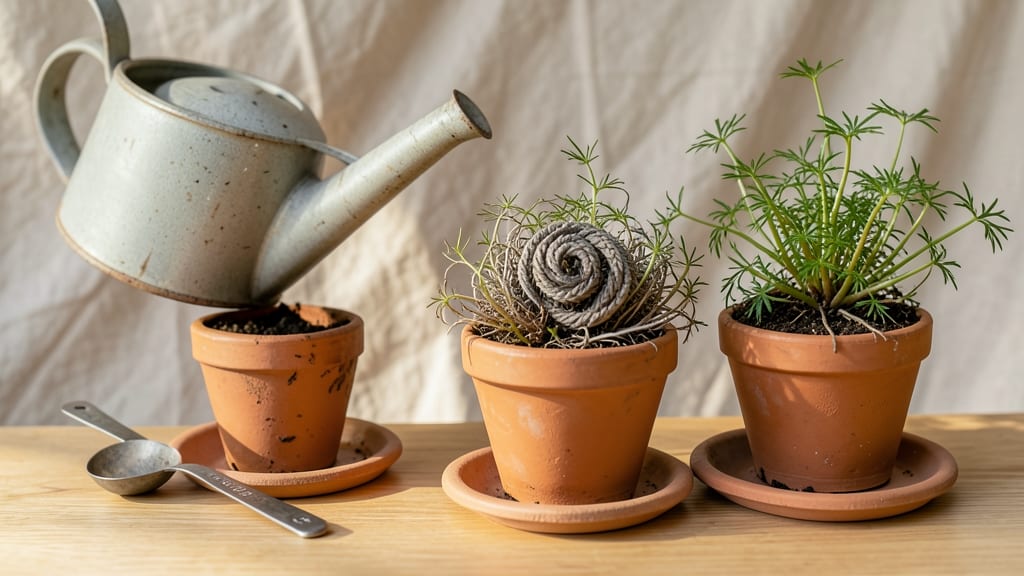
If you’ve ever wondered how much water a resurrection plant 🌵 truly needs, the answer might surprise you—this hardy little marvel can go months without a drop.
Unlike most plants that wilt at the first sign of dryness, the resurrection plant thrives on neglect, only requiring careful hydration to revive its vibrant green form. The key lies in understanding its unique drought tolerance and when to step in with moisture.
Overwatering is the silent killer of resurrection plants, yet many gardeners make this costly mistake. The secret to keeping yours alive isn’t frequent watering—it’s knowing exactly when to hydrate and how much to give.
With the right approach, you can watch your plant spring back to life in as little as 24 hours, proving nature’s resilience firsthand.
What sets the resurrection plant apart is its ability to survive extreme conditions, but that doesn’t mean it’s invincible. I’ll show you how to balance its water needs, from recognizing signs of thirst to avoiding the pitfalls of soggy soil.
Whether you’re a beginner or a seasoned plant parent, these insights will help you master the art of reviving this drought-proof wonder.
Ready to transform your watering routine? Let’s dive into the science-backed strategies that will keep your resurrection plant thriving year after year—without the guesswork. Your green thumb (and your plant) will thank you.
How much water does a resurrection plant need to revive?
The resurrection plant (Selaginella lepidophylla) thrives on minimal water—so little that it can survive months without hydration while entering a dormant state. When it does need water, a deep soak every 10-14 days is ideal, but timing and technique make all the difference.
Overwatering is the #1 killer, while underwatering simply triggers its famous revival process. Let’s break down the science-backed watering schedule to keep your plant healthy and ready to bloom back to life in just 24 hours.
During its active growth phase (spring and early summer), your resurrection plant will need slightly more water—about 100-150ml every 2 weeks. This mimics natural rainfall patterns in its native desert environments.
In summer or winter dormancy, reduce watering to once a month or even less, as the plant conserves energy. The key is to let the soil dry completely between waterings, ensuring excess moisture never lingers in the pot.
Here’s the critical threshold for revival: when your resurrection plant looks wrinkled and gray, it’s ready for a drink. Within 24 hours of proper hydration, it will transform into a vibrant green—proof of its incredible resilience.
However, overwatering can cause root rot, so always use a well-draining soil mix with perlite or sand.
🌱 Resurrection Plant Watering Guide
| Season | Watering Frequency | Amount per Watering | Soil Condition |
|---|---|---|---|
| Spring | Every 10-14 days | 100-150ml (deep soak) | Completely dry between waterings |
| Summer | Monthly (minimal) | 50-75ml (light mist) | Dry; avoid soggy soil |
| Fall | Every 14-21 days | 75-100ml (moderate soak) | Dry; reduce as temps drop |
| Winter | Monthly (minimal) | 25-50ml (barely damp) | Near-dormant; barely moist |
💡 Pro Tip: Always water in the morning to prevent fungal growth from overnight moisture.
The resurrection plant’s revival process is a fascinating spectacle. When you water it after dormancy, it absorbs moisture through its leaves and stems, plumping up within hours. This isn’t just survival—it’s a metabolic reset. To encourage this, avoid tap water with chlorine; use filtered or rainwater instead.
The plant’s cells swell as they rehydrate, and within 24 hours, you’ll see it transform from a shriveled brown to lush green.
One common mistake is watering on a schedule rather than checking soil moisture. Stick your finger 1 inch into the soil—if it’s dry, it’s time to water.
If it’s still damp, wait another week. Overwatering leads to root rot, while underwatering simply puts the plant into its natural dormant state. The goal is to mimic desert conditions: plenty of dry spells with occasional deep hydration.
For container-grown resurrection plants, ensure your pot has drainage holes and use a cactus or succulent mix combined with perlite. This prevents water from pooling at the roots.
If you’re growing yours outdoors in well-draining soil, you can reduce watering slightly—these plants thrive in rock gardens or xeric landscapes where water is scarce.
Humidity plays a subtle role too. While resurrection plants tolerate low humidity, they’ll revive faster in moderate humidity (40-50%). If your home is very dry (like 30% or below), consider a light misting during revival periods—but avoid soggy conditions.
The plant’s natural habitat has extreme diurnal temperature swings, so placing it near a window with bright, indirect light helps replicate these conditions.
Finally, remember that patience is key. If your resurrection plant looks dead, it’s not—it’s just dormant. Store it in a cool, dry place during extreme drought periods, and it’ll revive when conditions improve.
This drought tolerance is what makes it such a unique and fascinating addition to any collection.
🌵
How much water does a resurrection plant need to revive?
The resurrection plant (Selaginella lepidophylla) thrives on extreme drought tolerance, but its revival hinges on precise watering. Unlike typical plants, it enters dormancy when dry, then revives in 24 hours with proper hydration.
Overwatering is the biggest killer—this plant stores moisture in its thick, waxy leaves, so excess water causes rot. Aim for deep but infrequent watering to mimic its natural desert conditions.
During active growth (spring and fall), water every 10-14 days when the top 1-2 inches of soil feel completely dry. In summer dormancy, reduce watering to once a month or less.
The key is soaking thoroughly until water drains from the pot’s bottom, then letting excess water escape completely. This ensures roots don’t sit in moisture, which triggers fungal diseases.
🌱
| Season | Watering Frequency | Soil Moisture Check | Revival Time |
|---|---|---|---|
| Spring (Active Growth) | Every 10-14 days | Top 1-2" dry | 24 hours |
| Summer (Dormancy) | Once a month (minimal) | Only if soil cracks | N/A (no revival needed) |
| Fall (Revival Prep) | Every 10-14 days | Top 1" dry | 12-24 hours |
| Winter (Dormancy) | Every 4-6 weeks | Only if soil is bone-dry | N/A |
To revive a dormant resurrection plant, place it in a shallow tray of water for 10-15 minutes—no longer. This allows roots to rehydrate without drowning. After revival, return it to its well-draining soil mix (cactus/succulent blend with perlite).
Watch for wrinkled leaves (underwatering) or yellowing stems (overwatering), both critical signs to adjust your routine.
Pro tip: Use a moisture meter for accuracy, especially in containers where soil dries faster. If your plant fails to revive after soaking, it may be root-bound or diseased. Gently repot it in fresh, dry mix to reset its health. Patience is key—this plant’s superpower is survival, not speed!
💧
For container growers, reduce watering by 30% compared to in-ground plants. Pots dry out faster, and resurrection plants hate soggy roots. If you’re unsure, underwater slightly—this plant would rather shrivel than rot.
With the right balance, you’ll witness its miraculous transformation from crispy brown to lush green in under a day.