
Companion Plants
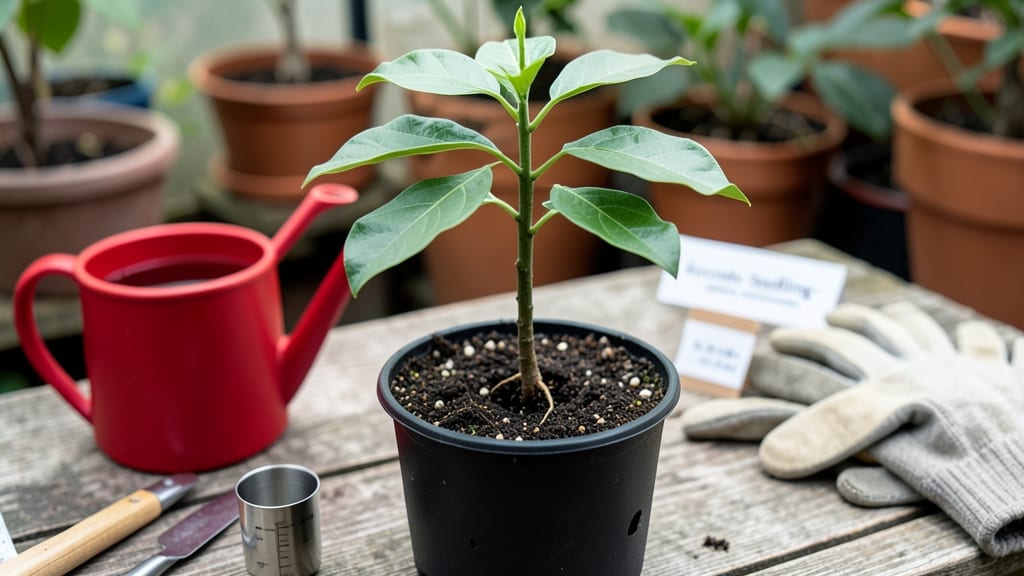
You’ve got your avocado seed sprouting roots in water, and now the big question is: when can I plant my avocado seed in soil without risking failure?
The answer depends on more than just the calendar—it’s about your seedling’s readiness, your climate, and a few simple tricks to avoid common pitfalls. Planting too soon can shock delicate roots, while waiting too long might stunt growth.
Let’s break down the exact signs your 🥑 seedling is ready for soil and how to time it perfectly for your zone.
Most gardeners rush this step, but the key is watching for those 1-2 inch roots and a sturdy sprout before making the move. Whether you’re in a warm climate or a cooler zone like 6a, knowing the right window makes all the difference.
I’ll show you how to prepare the soil, choose the best container, and even troubleshoot if things go wrong.
By the end, you’ll know exactly when to transition your seedling—so you can skip the guesswork and give your future avocado tree the best start possible. Let’s get growing!
Key germination milestones: when your avocado seed is ready for soil
Your avocado seed won’t survive in soil too soon—it needs critical root and sprout development first. Most seedsling growers make the mistake of rushing this stage, leading to rotting roots or stunted growth.
The key is watching for three key milestones that prove your seed is ready to graduate from water to soil.
First, you’ll see white, fibrous roots emerge from the seed’s bottom. These roots should be 1-2 inches long and healthy-looking, not brown or mushy. This usually happens 4-8 weeks after starting your seed in water. Don’t skip this step—roots this size can handle soil’s different moisture and nutrient balance.
Next, a small green sprout will appear from the top of the seed. This is your seedling’s first true leaf, signaling it’s photosynthesizing independently. At this stage, the sprout should be at least 1-2 inches tall and firm to the touch.
If it’s wobbly or yellow, it’s not ready for soil yet.
Here’s the critical readiness test: Gently tap the seedling’s roots. If they hold together loosely (like toothpicks), they’re ready. If they fall apart or feel slimy, wait another 1-2 weeks. This test prevents root shock, the #1 killer of transplanted avocado seedlings.
| Stage | Signs of Readiness | Action |
|---|---|---|
| Root Development | 1-2" white fibrous roots | Test root strength |
| Sprout Emergence | 1-2" green sprout | Check leaf firmness |
| Growth Rate | Steady 1-2" growth/month | Prepare soil mix |
⏰ Timing Tip: Most seeds reach readiness in 8-12 weeks.
Once your seedling passes these milestones, it’s time to transition to soil. But here’s a pro tip: Acclimate it first. Place the pot outside for 2-3 hours daily over a week to adjust to outdoor light and temperature.
This hardens the seedling and prevents sunburn or shock when you plant it permanently.
For soil preparation, mix 50% potting soil with 50% perlite or sand to improve drainage. Avocado seedlings hate soggy roots, so avoid garden soil unless amended. Use a small pot (6-8 inches wide) with drainage holes to start.
After planting, keep the soil consistently moist (not soggy) for the first 2-4 weeks. Reduce watering gradually as the seedling adjusts. Place it in bright, indirect light for a week before moving to full sun. This slow transition mimics natural conditions and boosts survival rates.
Remember: Patience is key. Rushing the process leads to yellowing leaves, wilting, or death. If your seedling shows signs of stress (drooping, brown spots), it’s not ready. Wait another week and try again. With the right timing, your avocado seedling will thrive in soil for years to come!
Key germination milestones: when your avocado seed is ready for soil
Your avocado seed won’t be ready for soil the moment you crack it open—it needs time to develop strong roots and a sprout. Most seeds take 4 to 12 weeks to germinate in water, but rushing them into soil too soon can stunt growth or cause root rot.
Watch for these key signs that your seedling is ready for its first taste of dirt.
First, your seed should sprout a 1- to 2-inch root and a small stem with a single leaf. This usually happens after 4 to 6 weeks in water.
If you see yellowing or wilting, it’s a red flag—your seed may be rotting or stressed. Healthy roots should look white and firm, not mushy or brown.
Next, check for a second leaf emerging from the stem. This signals the seedling is strong enough to handle soil. At this stage, its root system is established, reducing the risk of transplant shock.
Avoid waiting too long, though—seedlings with roots longer than 6 inches may struggle to adapt to soil.
| Milestone | Timeframe | Action |
|---|---|---|
| Root growth (1-2 inches) | 4-6 weeks | Keep in water; avoid direct sunlight |
| Second leaf appears | 6-12 weeks | Prepare soil; transplant carefully |
| Roots exceed 6 inches | 12+ weeks | Transplant ASAP; risk of root damage increases |
Before planting, test your seedling’s readiness with a simple soil dip. Gently place the root in moist potting mix for 10 minutes. If it holds its shape and doesn’t wilt, it’s ready. If it droops, wait another week—its roots need more time to toughen up.
Once your seedling passes these checks, choose a well-draining pot or garden bed. Avocados hate soggy soil, so mix in perlite or sand to improve drainage. Plant the seedling just deep enough to cover the roots, leaving the stem exposed to prevent rot.
After transplanting, keep the soil moist but not soggy for the first 2 weeks. Place your pot in bright, indirect light (like a south-facing window) and avoid cold drafts. Within a month, you should see new growth—a sure sign your seedling is thriving in its new home!