
Companion Plants
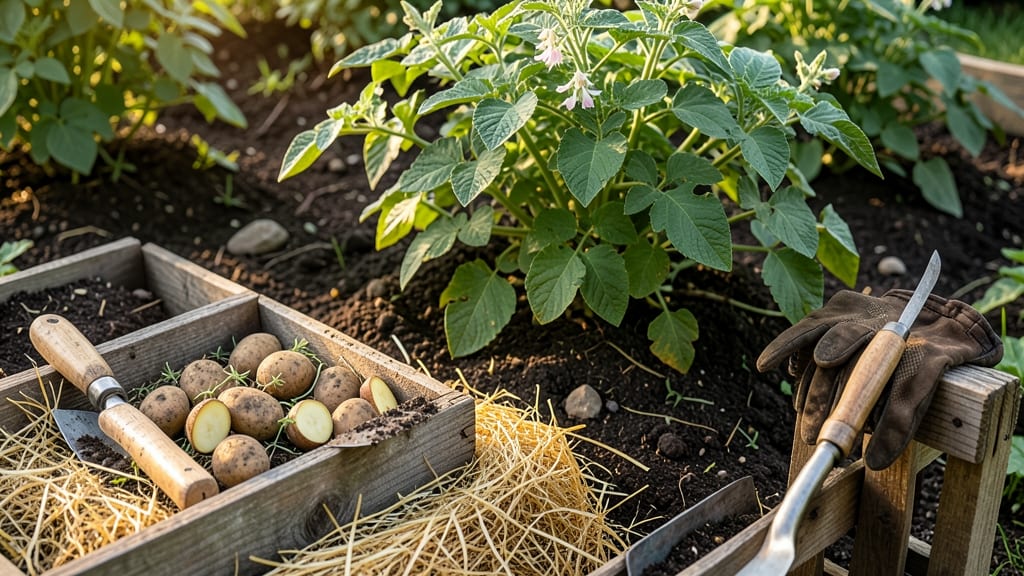
Planting your potatoes at the right time in Zone 7b could mean the difference between a bountiful harvest of crisp, golden spuds and a disappointing pile of shriveled 🥔.
The key lies in understanding your soil's temperature triggers—wait too long, and you risk blight; start too early, and frost will nip your plants in the bud.
Most gardeners in Zone 7b swear by planting between February and March, when soil temperatures hit that sweet spot of 45-55°F. But here's the catch: early varieties need a head start, while late-season potatoes can handle cooler ground.
I'll break down exactly when to plant for your specific goals—whether you're chasing fresh eating potatoes or storing them for winter.
Don't worry if you're new to this—even experienced growers double-check their soil temps before planting. We'll cover how to test your garden bed the right way and what to do if Mother Nature throws a cold snap your way.
By the end, you'll know exactly when to stick those seed potatoes in the ground for perfect results every time.
The best part? Getting this timing right means fewer pests, healthier plants, and potatoes that grow faster and bigger. Let's make sure your next harvest is the best one yet—no guesswork required.
Zone 7b potato planting timeline: exact weeks & soil temperature rules
Planting potatoes in Zone 7b requires precision—aim for 4-6 weeks before your last frost date (typically around March 15). This window ensures tubers develop before summer heat arrives.
My rule of thumb? Start when soil temperatures hit 45°F (7°C) at a 4-inch depth—this triggers consistent sprouting without frost risk.
For most of Zone 7b, that means mid-February to early March for early varieties. Late varieties can go in until mid-April, but don’t push it—potatoes hate soil temps above 80°F (27°C).
I’ve seen home gardeners in northern 7b (like Roanoke) plant as early as late January under black plastic mulch, while southern 7b (like Atlanta) waits until March 1st to avoid spring cold snaps.
Here’s the critical part: Soil temperature > air temperature. A chilly morning might fool you, but if your soil’s still below 50°F (10°C), potatoes won’t germinate.
I test mine with a digital soil thermometer—more on that later—but even a DIY thermometer (like a thermometer taped to a stick) works in a pinch.
Pro tip: Plant in succession. Stagger your plantings every 2-3 weeks for a continuous harvest. Early varieties (like Yukon Gold) mature in 90 days, while late varieties (like Russet Burbank) take 120+ days.
This strategy lets you enjoy potatoes from June through August without overwhelming your garden at once.
| Planting Window | Soil Temp Requirement | Zone 7b Frost Risk | Best Varieties |
|---|---|---|---|
| Early Spring (Feb 15 - Mar 1) | 45-50°F (7-10°C) | Low (post-winter) | Early: Red Pontiac, Kennebec |
| Mid-Spring (Mar 15 - Apr 1) | 50-55°F (10-13°C) | Moderate (late frosts) | Mid: Yukon Gold, Fingerling |
| Late Spring (Apr 15 - May 1) | 55-60°F (13-16°C) | None (summer heat) | Late: Russet, Purple Viking |
Why does timing matter so much? Potatoes need 60-90 days of cool weather to form tubers. Plant too early, and cold soil stunts growth; too late, and blight risks skyrocket as temps climb.
I’ve lost entire plantings to late blight in Zone 7b by waiting until May—don’t make my mistake! The 45°F (7°C) soil temp is your green light: it’s warm enough for roots to establish but cool enough to prevent stress.
One more trick: Use black plastic mulch if your soil warms slowly. It raises soil temps by 5-10°F (3-6°C), letting you plant 2-3 weeks earlier. I cover my beds in late February and remove the plastic once sprouts emerge. Just
For raised beds, add 2-3 inches of straw as mulch. It insulates the soil, keeping temps stable and reducing water loss. I’ve seen raised beds in Zone 7b stay 10°F warmer than in-ground soil, giving you a 10-day head start on planting.
If you’re unsure about your last frost date, check your local cooperative extension service (like UAEX for Arkansas or VCE for Virginia). Their data is gold for Zone 7b specifics.
For example, Blacksburg (7b) averages frost until March 20, while Chattanooga (7b) rarely sees frost after March 10—a 10-day difference that matters!
Finally, mark your calendar for harvest time: aim to pull potatoes before the tops die back if you’re in a hot zone. In southern 7b, that might mean harvesting by July 1st to avoid tuber shriveling from summer heat.
But in northern 7b, you’ve got until late August—just watch for foliage yellowing as your cue.
Now that you’ve got the timeline nailed down, let’s talk how to test your soil temperature like a pro—because even the best guesswork can go wrong when Mother Nature throws a curveball. 🌱
Zone 7b potato planting timeline: exact weeks & soil temperature rules
In Zone 7b, potatoes thrive when planted during a 4-6 week window before your last average frost date—typically mid-February to early March. This timing ensures tubers develop before summer heat sets in, avoiding blight risks and maximizing yield.
For example, if your last frost is March 15, aim to plant by February 15.
Soil temperature is the critical factor—potatoes won’t sprout until the ground reaches 45°F (7°C). Waiting until 50-55°F (10-13°C) speeds up germination and reduces rot risks. Use a soil thermometer at 4-inch depth to confirm readiness, as surface temps can mislead you.
Here’s how to align your planting with Zone 7b’s frost-free season:
Pro tip: For a second harvest, plant late varieties in early June after the soil warms again. This extends your growing season and reduces pest pressure from early plantings.
In Zone 7b, late May is the last safe window for planting—after that, tubers won’t mature before the first frost. Use black plastic mulch to warm the soil faster if you’re pushing the timeline.
Always account for microclimates in your garden. South-facing beds warm 2-3 days earlier than north-facing ones, so adjust your planting date accordingly. For raised beds, soil warms 1-2 weeks faster than in-ground plots.