
Planting
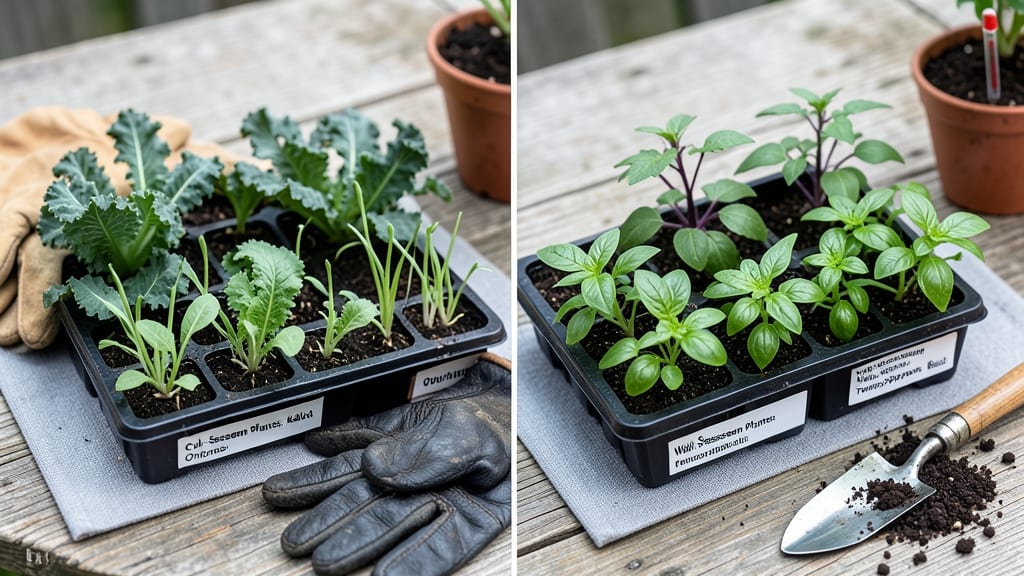
Upstate NY planting calendar by Zone 5 & 6: frost-dates & last frost probabilities
Upstate New York spans USDA Zones 5 and 6, where last frost dates can vary by 2-3 weeks depending on your exact location.
For Zone 5 (northern areas like Plattsburgh), expect your average last frost around May 15, while Zone 6 (southern areas like Syracuse) typically sees frost-free conditions by May 1. These dates are critical for warm-season crops like tomatoes and peppers, which can’t tolerate even light frosts.
Cool-season crops like spinach, peas, and kale thrive when planted 4-6 weeks before your last frost date.
In Upstate NY, this means early April for Zone 6 and mid-April for Zone 5. Frost-sensitive plants such as cucumbers, basil, and eggplants should wait until after May 15 in Zone 5 and after May 1 in Zone 6 to avoid damage.
Regional variations matter—areas near lakes (Finger Lakes, Champlain Valley) often experience later frosts due to lake-effect cooling, while inland valleys may warm up faster. Always check local frost data from sources like the Cornell Cooperative Extension or NOAA for your specific town.
| Plant Type | Zone 5 (Northern) | Zone 6 (Southern) | Notes |
|---|---|---|---|
| Cool-Season Crops | Early April | Early April | Spinach, peas, kale tolerate light frost |
| Warm-Season Crops (Seed) | After May 15 | After May 1 | Tomatoes, peppers, beans |
| Frost-Sensitive Plants | After May 25 | After May 10 | Cucumbers, basil, melons |
| Fall Planting | Late July-August | Late July-August | Broccoli, carrots, lettuce |
For Zone 5 gardeners, consider using row covers or cold frames to extend your planting window by 2-3 weeks in spring. This lets you sow cold-hardy greens like radishes or arugula as early as March under protection.
In Zone 6, you can push the envelope even further—some gardeners successfully plant early tomatoes in late April with black plastic mulch to warm the soil.
Always monitor soil temperature, not just air temperature. Most warm-season crops need soil at 60°F+ to germinate properly. Use a soil thermometer to verify—cool, damp soil can delay germination even if air temps seem ideal.
For Upstate NY’s unpredictable climate, I recommend planting a few extra seeds or seedlings as a backup in case of late frosts.
Don’t forget about fall planting! Many cool-season crops thrive when sown in late July or August for harvest before winter. Kale, carrots, and Brussels sprouts are excellent choices, as they sweeten with frost.
Aim to plant these 6-8 weeks before your first expected frost, which typically arrives around October 15 in Zone 6 and October 25 in Zone 5.
Pro tip: Use Cornell’s Garden Calendar (available online) for hyper-localized advice. Their tools account for microclimates like urban heat islands or sheltered valleys, giving you planting dates tailored to your specific address.
This is especially useful if you’re gardening in Syracuse vs. Albany—the difference in frost dates can be 10 days or more.
If you’re new to Upstate NY gardening, start with low-risk crops like lettuce, radishes, and beans to test your timing.
These plants are forgiving if you’re a few days off, while tomatoes or peppers will wilt dramatically if planted too early. Keep a garden journal to track your success—and failures—so you can refine your schedule each year.
Remember, frost dates are averages, not guarantees. Always have row covers or a fan ready to protect tender seedlings if a late frost warning pops up in your weather forecast.
With the right timing, Upstate NY’s growing season can be just as productive as warmer climates—you just need to work with the calendar, not against it.
How to adjust planting times for Upstate NY’s microclimates & soil conditions
Upstate New York’s Zone 5 and 6 regions aren’t all created equal—your planting schedule should shift based on microclimates like lake-effect zones or urban heat islands. For example, areas near Lake Erie or Lake Champlain often experience delayed frosts, while inland spots like the Adirondacks can have earlier freezes.
Always check local frost dates from Cornell Cooperative Extension or NOAA for precise adjustments.
Soil temperature is another critical factor. Use a soil thermometer to confirm it’s at least 50°F (10°C) for warm-season crops like tomatoes or peppers.
In cooler microclimates, wait until late May or early June—even if your neighbor in a warmer pocket of the Finger Lakes starts planting in April. Cold soil slows germination and stresses seedlings.
Adjusting for Microclimates
- Lake-effect zones: Delay planting by 1-2 weeks due to later frosts.
- Urban areas: Plant 1 week earlier—concrete and buildings trap heat.
- High elevations: Shift schedules 2 weeks later (e.g., Catskills vs. Rochester).
- South-facing slopes: Start 10-14 days sooner—warmer microclimate.
- North-facing yards: Wait until after May 15 for frost-sensitive plants.
Hardening off seedlings is a non-negotiable step when adjusting for microclimates. Gradually expose young plants to outdoor conditions over 7-10 days by placing them in a sheltered spot during the day and bringing them inside at night.
This helps them tolerate temperature swings and wind exposure, which are common in Upstate NY’s transitional seasons.
Extend your growing season with row covers or cold frames to plant earlier or later. For example, you can sow spinach or peas as early as mid-April under a lightweight row cover, then remove it once soil warms.
Similarly, use black plastic mulch to warm soil faster in spring, allowing you to plant tomatoes or peppers 2 weeks earlier than usual.
Don’t ignore soil drainage—poorly drained areas can delay planting until soil dries out. Amend heavy clay soils with compost or sand to improve drainage, and avoid working wet soil, which compacts and damages root systems.
A simple percolation test (dig a hole, fill with water, and time how long it drains) can save you from planting too early in soggy conditions.
Finally, keep a gardening journal to track what works in your microclimate. Note when you planted, any frost surprises, and how long it took for crops to mature.
Over time, you’ll refine your schedule to beat Upstate NY’s unpredictable weather—because while the official frost dates are a great starting point, your yard’s quirks will always dictate the final word.