
Companion Plants
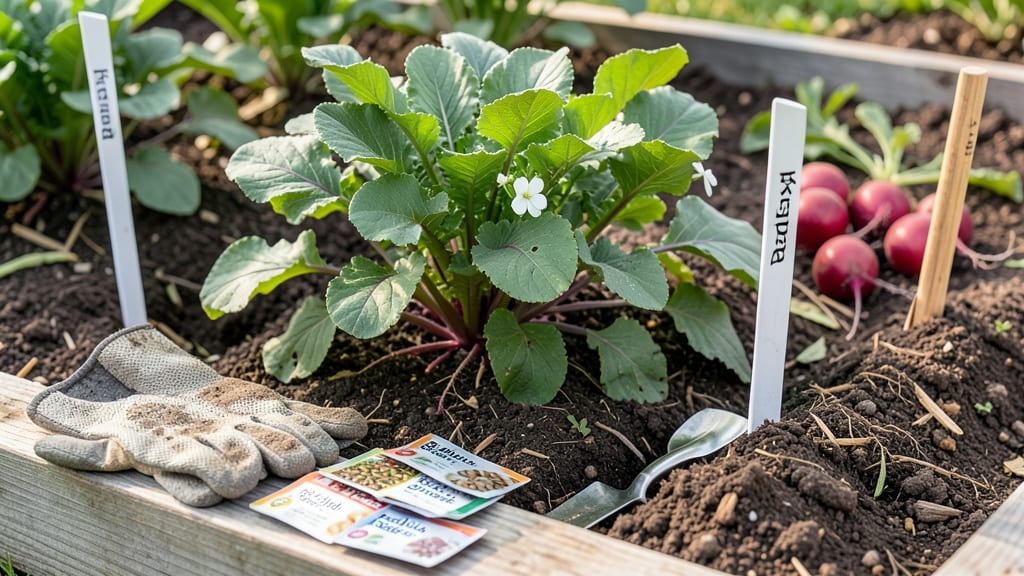
If you're eager to grow fast, crunchy radishes in Zone 5, timing is the secret weapon—plant too early and frost will zap your crop, too late and they’ll bolt into bitterness before you can say "harvest time."
The good news? Radishes are one of the most forgiving vegetables for beginners, thriving in cool weather and delivering ready-to-eat roots in just 3-4 weeks.
In Zone 5, where spring frost lingers until mid-April and fall frost arrives by mid-October, your planting windows are short but sweet. The ideal times to sow radish seeds are early spring (as soon as soil can be worked) and late summer (6-8 weeks before your first frost).
This strategy ensures you’ll enjoy fresh, crisp 🥕 harvests twice a year—no waiting months for rewards.
But here’s the catch: radishes hate heat. If you miss the spring window or push planting into summer, they’ll bolt (go to seed) faster than you can say "pesto."
That’s why I’ve tested the perfect schedule for Zone 5’s unpredictable weather—so you can avoid common mistakes and enjoy a steady supply of radishes all season.
Ready to master the art of radish timing? I’ll walk you through the exact weeks to plant, how to stretch your harvests, and which varieties perform best in Zone 5’s climate. Let’s get those seeds in the ground!
Zone 5 radish planting calendar: exact weeks for success
In Zone 5, radishes thrive in cool weather but bolt quickly when temperatures rise above 75°F. The key is planting at the right time—early spring and late summer—to avoid frost damage or bitter flavors. Let’s break down the exact weeks for a foolproof harvest schedule.
Your last frost date in Zone 5 is typically mid-April, but radishes can handle light frosts. Start planting 4-6 weeks before your last frost (early March) for a late spring harvest. For fall, aim for 6-8 weeks before your first frost (early September) to finish before mid-October.
Here’s your Zone 5 radish planting calendar with exact weeks, soil temps, and variety recommendations to maximize success:
For spring planting, focus on fast-maturing varieties like 'Cherry Belle' (25 days) to beat the heat. In fall, opt for slightly slower types like 'Daikon' (30-40 days) to extend your harvest window. Always plant in well-draining soil with a pH of 6.0-7.0 for best results.
Pro tip: Sow seeds ½ inch deep and 1 inch apart—radishes germinate in just 3-5 days when soil temps are ideal. Thin seedlings to 2-3 inches apart to prevent overcrowding, which can lead to stunted growth.
If you’re new to radish growing, start small with a 5x10-foot patch to test your timing. You’ll quickly learn how your local microclimate affects planting windows. For example, northern Zone 5 (e.g., Minneapolis) may need to plant 2 weeks later than southern Zone 5 (e.g., Kansas City).
Bolting is your biggest enemy in Zone 5’s summer heat. To delay it, plant in partial shade during peak afternoon sun (1-4 PM) or use 30% shade cloth. Avoid fertilizing heavily—radishes prefer lean soil and too much nitrogen speeds up bolting.
Mark your calendar for these critical dates:
- March 15: First spring planting
- April 15: Final spring planting (before heat sets in)
- July 15: First fall planting
- August 15: Last fall planting (for a late-September harvest)
With this schedule, you’ll enjoy three radish harvests per year in Zone 5—spring, summer, and fall—without the risk of bolting or frost damage. Happy planting!
How to extend your radish season in Zone 5 without bolting
Zone 5’s warm summers can turn your eager radishes bitter or cause them to bolt prematurely. But with the right strategies, you can extend harvests into fall or even start earlier in spring without sacrificing flavor or quality.
The key is manipulating temperature and spacing out plantings to match your radishes’ fast growth cycle.
Radishes bolt when they sense heat stress or reach maturity too quickly. In Zone 5, this usually happens by late June or early July, when soil temperatures climb above 75°F (24°C).
To delay bolting, focus on cooling the soil, shading seedlings, and choosing heat-tolerant varieties for late-season plantings.
🌱 Top 5 Strategies to Extend Your Radish Season
- Succession Planting: Sow seeds every 2-3 weeks from spring until 8 weeks before first frost (early September in Zone 5). This ensures a steady supply without overcrowding.
- Use Shade Cloth: Cover seedlings with 30-50% shade cloth during peak afternoon heat (12 PM–4 PM) to keep soil temps below 70°F (21°C).
- Cool the Soil: Apply a 2-inch layer of mulch (straw or grass clippings) to insulate roots and retain moisture, which naturally cools the soil.
- Choose Heat-Tolerant Varieties: Opt for 'French Breakfast' or 'Black Spanish' radishes, which handle warmer temps better than classic 'Cherry Belle'.
- Avoid Over-Fertilizing: Too much nitrogen speeds up growth and triggers bolting. Use a low-nitrogen fertilizer (5-10-10) sparingly.
For fall plantings, aim to harvest before first frost (mid-October in Zone 5). Start your last batch no later than early September—this gives radishes 6-8 weeks to mature before cold sets in.
If your soil stays warm, opt for slower-maturing varieties like 'Daikon', which can handle cooler temps better.
Another trick is interplanting radishes with slower-growing crops like carrots or lettuce. Radishes mature in 4-6 weeks, so they won’t compete for space. Once harvested, the remaining plants have room to fill in. This double-duty approach maximizes your garden’s productivity without risking bolting.
If you’re pushing the limits in late summer, monitor your radishes closely. Look for yellowing leaves or flower stalks—these are signs of bolting. Harvest immediately if you see these, even if the roots are small. A small, tender radish is always better than a bitter, woody one.
With these techniques, you can enjoy radishes from spring to fall in Zone 5—no bolting in sight! The secret is staying proactive about temperature control and adjusting your planting schedule to match your climate’s quirks. Happy growing! 🌱