
Plants
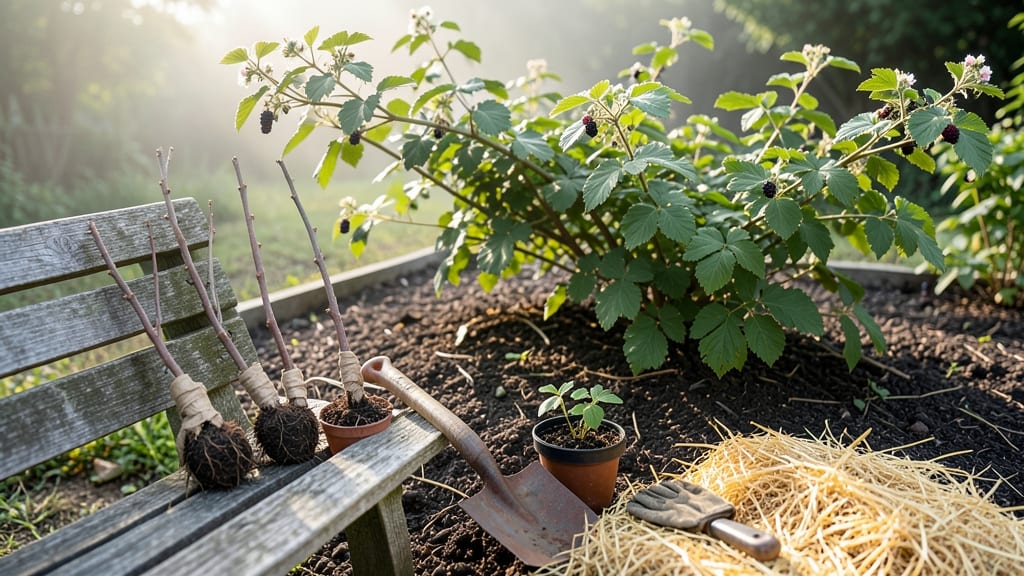
Planting blackberries in Florida isn’t just about digging a hole—it’s about outsmarting the state’s heat, humidity, and chill-hour quirks to get juicy 🫐 harvests every season. If you’ve ever watched your blackberry bushes wilt under summer sun or fail to fruit despite your best efforts, you’re not alone. The key lies in matching your planting window to Florida’s unique microclimates, from frost-prone North Florida to the frost-free Everglades.
Most gardeners assume Florida’s year-round growing season means blackberries can be planted anytime, but that’s a recipe for stress. Plant too early, and your canes will bake in summer heat; too late, and they’ll struggle to establish roots before the next growing season.
The sweet spot? Late winter or early spring, when temperatures are mild and the soil is workable—but there’s more to it than just picking a month.
In this guide, I’ll break down the exact months to plant based on your Florida zone, which blackberry varieties thrive where, and how to prep your soil for maximum success.
Whether you’re in chill-loving North Florida or the tropical South, these tips will help you avoid common pitfalls like heat shock or poor fruiting—and set your bushes up for a bountiful harvest from April to August.
Ready to turn your blackberry patch from a gamble into a guaranteed harvest? Let’s get started with the planting schedule that actually works in Florida’s climate.
Florida’s chill-hour zones: which blackberry varieties thrive where?
Florida’s climate varies dramatically from the frost-prone North to the tropical Everglades, creating 3 distinct chill-hour zones that determine which blackberry varieties will thrive. Chill hours—measured as temperatures between 32°F and 45°F—are critical for breaking dormancy and ensuring fruit production.
In Florida, these zones range from 400 to 1,000 hours, so choosing the wrong variety can mean poor fruiting or no harvest at all.
For example, Everglades blackberries (like 'Arapaho') need only 400-500 chill hours, making them ideal for Zone 10-11 (South Florida). Meanwhile, Northern Florida (Zone 8a-9a) can support 'Chester' or 'Navaho', which require 700-1,000 chill hours.
Central Florida (Zone 9a) sits in the middle, where 'Ouachita' or 'Apache' varieties excel with 500-700 chill hours.
Here’s how to match your location to the right variety—because planting the wrong type in the wrong zone is a common (and costly) mistake. Let’s break it down by region so you can pick a variety that fruits reliably in your backyard.
🌱
| Florida Region | Chill-Hour Range | Best Varieties | Notes |
|---|---|---|---|
| North Florida (Zone 8a-9a) | 700-1,000 hours | Chester, Navaho, Triple Crown | Needs winter chill; watch for late frosts. |
| Central Florida (Zone 9a-9b) | 500-700 hours | Ouachita, Apache, Natchez | Moderate chill; thrives in Orlando/Tampa. |
| South Florida (Zone 10a-11) | 400-500 hours | Arapaho, Florida 47, Florida Brightwell | Low-chill; best for Miami/Fort Lauderdale. |
If you’re in North Florida (like Jacksonville or Gainesville), varieties like 'Chester' are your best bet—they need those 700+ chill hours to set fruit properly. Skip this variety in South Florida, though, and you’ll end up with sparse or no berries, despite all your care.
The 'Arapaho' blackberry, bred specifically for Florida’s subtropical climate, is a game-changer for Zone 10-11 gardeners, producing fruit even with minimal chill hours.
For Central Florida (think Orlando or Tampa), 'Ouachita' is a standout—it balances moderate chill needs with heat tolerance, making it a low-maintenance choice. This variety also resists anthracnose disease, a common issue in Florida’s humid summers.
Pro tip: If you’re on the coast, choose salt-tolerant varieties like 'Florida Brightwell', which handles brackish soil better than most.
One critical mistake I see often is assuming all blackberries are the same. A 'Triple Crown' planted in Miami won’t fruit well because it needs 900+ chill hours—far more than South Florida provides.
Instead, opt for Everglades varieties that thrive with minimal chill and heat tolerance. Always check the chill-hour range on the seed packet or plant tag before buying.
Another factor? Microclimates. Even within a city, urban heat islands can push temperatures 5-10°F higher than rural areas. If you’re in Tallahassee but your yard is paved and shaded, you might need a lower-chill variety than someone in a cooler, wooded area.
Pay attention to local frost dates too—North Florida can still see light frosts in January, while South Florida rarely drops below 40°F.
🌿
To maximize success, test your chill hours using a chill-hour calculator (like the one from the University of Florida IFAS Extension) or a home weather station.
If you’re unsure, start with a mixed variety pack like 'Natchez' or 'Apache', which perform well across Central Florida’s chill zones. And remember: soil prep matters just as much as variety choice.
Florida’s sandy soils drain too quickly, so amend with compost and organic matter to retain moisture and nutrients.
✂️
Exact planting months for Florida: avoiding heat stress and frost risks
Florida’s mild winters and long growing season make it possible to plant blackberries year-round, but timing is everything.
The ideal window for planting—whether bare-root canes or potted plants—is between January and March, when soil temperatures are cool but not freezing, and the risk of summer heat stress is still months away.
For North Florida (Zones 8a-9a), where late frosts can still occur, aim for January to early February. This gives your canes time to establish roots before the heat of spring arrives.
In Central and South Florida (Zones 9b-11), where frosts are rare, you can extend planting into March or even April, though summer planting requires extra shade and water.
Here’s the breakdown of best planting months by Florida region, along with critical prep steps to ensure success:
If you miss the ideal window, don’t panic—April planting is still viable in South Florida, but you’ll need to provide extra shade (30-50% coverage) and deep, consistent watering to help young canes acclimate.
Avoid planting in summer (May-August), as the combination of heat and humidity can cause root rot or heat shock, stunting growth for the entire season.
Before planting, amend your soil with compost or aged manure to improve drainage—a critical factor in Florida’s heavy, clay-rich soils. Blackberries hate soggy roots, so raise beds 6-12 inches above ground level if your soil drains poorly.
After planting, apply a 2-3 inch layer of mulch (straw or pine needles work well) to conserve moisture and suppress weeds, which thrive in Florida’s humidity.
Pro tip: If you’re planting in urban areas, where pavement and buildings create "heat islands," opt for shade-tolerant varieties like 'Ouachita' and water deeply in the early morning to reduce evaporation.
With the right timing and care, your blackberries will reward you with juicy, sweet fruit from April through August—no matter where you are in Florida. 🫐