
Plants
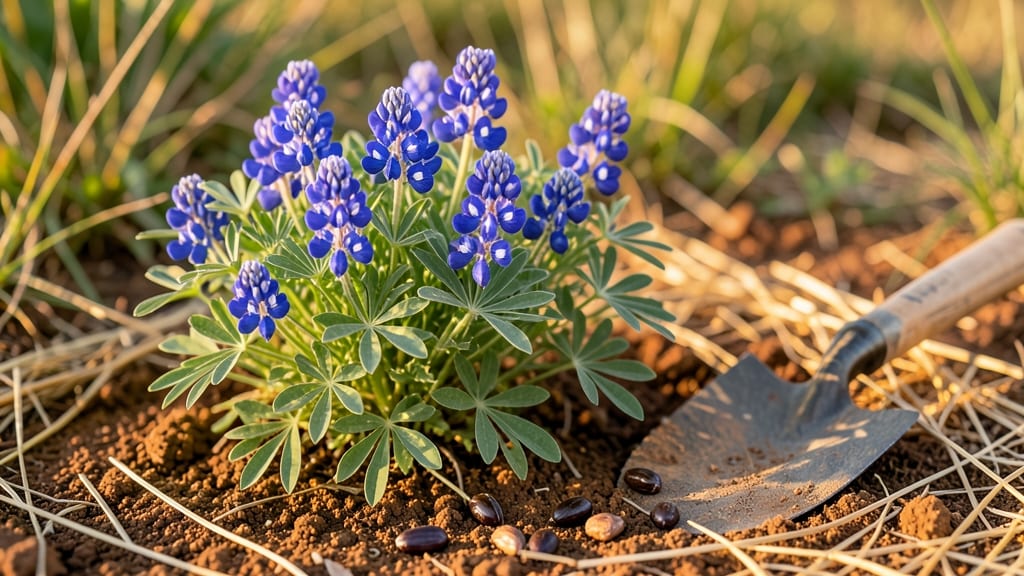
Best months to plant bluebonnet seeds in Austin for maximum blooms
Timing is everything when planting bluebonnet seeds in Austin. The ideal window runs from late September through early November, aligning with Austin’s USDA Zone 8a-9a climate. This timing ensures seeds germinate before winter rains and establish roots before summer heat arrives.
Bluebonnets are cool-season annuals, meaning they thrive when soil temperatures drop below 75°F. Planting in fall lets them develop strong roots before Austin’s first frost (around December 15), setting the stage for vibrant spring blooms.
While fall planting is ideal, you can also sow seeds in late winter (December) if conditions are dry. However, this method risks frost damage or uneven germination due to Austin’s unpredictable January temperatures (which can dip below freezing).
Austin’s rainfall patterns play a critical role. Planting in September-October ensures natural rainfall helps germination without over-saturating the soil. November is the last safe month before winter dormancy begins.
🌱 Bluebonnet Planting Timeline for Austin
| Stage | Action | Austin Climate Note |
|---|---|---|
| Late September | Scatter seeds on prepared soil | Soil temps: 70-75°F; first rains arrive |
| October | Lightly rake seeds into soil | Peak germination window; 2-3" rainfall typical |
| November | Minimal watering needed | Roots establish before winter; frost risk increases |
| December-January | Dormancy period | Avoid disturbing soil; protect from hard freezes |
| February-March | Spring blooms appear | Full sun exposure critical; minimal water needed |
Spring planting is not recommended in Austin because bluebonnets need 6-8 weeks of cool weather to germinate. Planting in March or April often results in seeds drying out before sprouting, thanks to Austin’s hot, dry springs.
Pro tip: Use Austin’s first frost date (Dec 15) as your cutoff. Plant at least 6 weeks before this date to ensure seeds germinate before winter sets in. For example, November 1 is the absolute latest you should plant in most years.
Monitor Austin’s weekly rainfall forecasts—aim for planting during dry spells in September-October. Too much rain can wash seeds away, while too little may require supplemental watering to trigger germination.
Bluebonnets are native wildflowers, so they thrive in Austin’s clay-heavy soils and alkaline pH (7.0-8.0). Unlike many ornamentals, they don’t need rich soil—just good drainage. This makes them perfect for Austin’s urban landscapes and mediterranean climates.
For maximum impact, plant bluebonnets in large drifts rather than rows. This mimics their natural prairie habitat and creates the stunning blue carpet effect Austin is famous for. Just scatter seeds lightly—they need sunlight to germinate, so don’t bury them deeply.
Remember: Patience is key. Bluebonnet seeds may take 2-4 weeks to sprout, especially in Austin’s variable fall temperatures. Resist the urge to replant—let nature take its course. The first true leaves will appear small and rounded, followed by the iconic blue flower spikes in spring.
Best months to plant bluebonnet seeds in Austin for maximum blooms
Timing is everything when planting bluebonnet seeds in Austin. The ideal window is late September through early November, when soil temperatures drop below 80°F but before the first frost.
This ensures seeds germinate in cool conditions, setting the stage for vibrant spring blooms. Austin’s unique climate—with its hot summers and mild winters—demands precision to avoid missed opportunities.
Bluebonnets are cool-season annuals, meaning they thrive when temperatures dip but haven’t yet frozen. Planting too early (like in August) risks premature germination during scorching heat, while waiting until December may leave seeds exposed to frost damage. Aim for 60–70°F soil temps for best results.
Here’s the golden rule for Austin gardeners: Scatter seeds after Labor Day but before Thanksgiving. This aligns with Austin’s average first frost date of December 15, giving seeds 8–10 weeks to establish roots before winter dormancy.
Pro tip: Check your local frost-free days (Austin has ~240) to adjust timing if you’re in a microclimate.
🌱 Bluebonnet Planting Timeline for Austin
| Stage | Action | Notes |
|---|---|---|
| Late August | Soil prep | Loosen clay soil; add compost |
| Late Sept–Early Nov | Seed scattering | Lightly rake seeds; no burial |
| October–November | Germination | Keep soil moist; avoid flooding |
| Spring (March–April) | Blooming | Enjoy 2–3 weeks of vibrant flowers |
💡 Pro Tip: Austin’s clay-heavy soil benefits from a light compost top-dressing before planting to improve drainage.
Rainfall patterns in Austin also play a role. The fall planting window typically receives 2–3 inches of rain per month, which helps seeds germinate naturally. If your area experiences a dry spell, supplement with light watering (½ inch per week) until sprouts appear.
Overwatering at this stage can lead to seed rot, so let the soil dry slightly between waterings.
For those who miss the fall window, spring planting is possible but riskier. If you plant in December or very early January, seeds may germinate too late for a full bloom cycle.
Austin’s USDA Zone 8a–9a allows for some flexibility, but spring-planted bluebonnets often produce fewer flowers. Stick to fall for the most reliable results.
One final secret: Bluebonnets self-seed prolifically, so a successful fall planting can reward you with wildflower displays for years. Just avoid disturbing the soil in spring—let nature take its course! With the right timing, your Austin garden could become the envy of the neighborhood by next spring. 🌸