
Plants
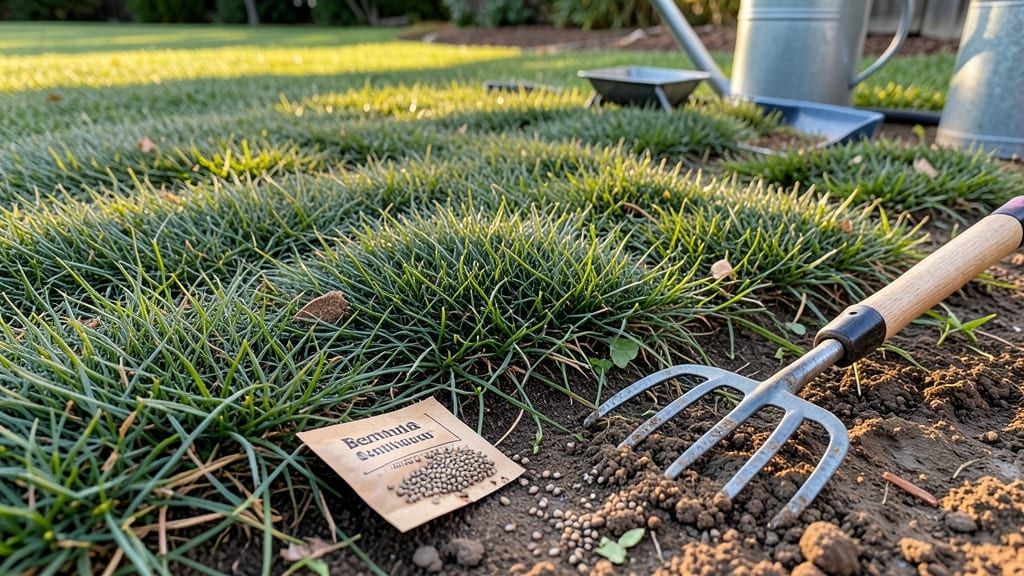
Timing your grass planting in Oklahoma isn't just about the calendar—it's about giving your 🌱 lawn the best shot at thriving despite our unpredictable weather swings. Planting too early risks frost damage, while waiting too long means battling summer heat stress.
The sweet spot? When soil temperatures hit that perfect 55-65°F range, which typically lands in early spring or fall.
Most Oklahoma gardeners swear by March-April for cool-season grasses like fescue, while warm-season varieties like Bermuda prefer August-September planting. But here's the catch: your exact timing depends on whether you're in the panhandle's hotter climate or the cooler southeast region.
I'll break down the best months based on your specific zone and grass type.
You might think "just plant when it feels right," but that approach often leads to patchy lawns or extra work down the road. The key to success is understanding how soil temperature, rainfall patterns, and even your grass variety's hardiness zone interact.
Let me show you exactly when to plant for that thick, green carpet you've been dreaming of.
Whether you're seeding a new yard or overseeding an existing one, getting this timing right saves you money on repairs and water. We'll cover the best practices for Oklahoma's most popular grass types—plus the common mistakes that turn potential lawns into weed magnets.
Ready to transform your patchy yard into the envy of the neighborhood?
Best months to plant grass in Oklahoma by soil temperature
Timing your grass planting in Oklahoma isn’t just about the calendar—it’s all about soil temperature. Cool-season grasses like tall fescue thrive when soil hits 55–65°F, while warm-season varieties such as Bermuda grass need 65–75°F.
Getting this wrong can mean slow germination or even seed failure. Let’s break down the best windows for your region’s microclimates.
In Oklahoma’s northern zones (USDA 6b–7a), aim for early spring (March–April) or early fall (August–September). Southern areas (USDA 7b–8a) can extend planting into late spring (May) or even late summer (October), thanks to warmer soils.
The key? Avoid planting when daytime highs exceed 90°F—this stresses young grass.
Here’s how Oklahoma’s three main regions differ: the panhandle (hotter, drier) favors warm-season grasses planted in late spring, while the southeast (humid, mild winters) benefits from fall planting to avoid summer heat.
The central region straddles both, making it ideal for transition zone blends like tall fescue + Bermuda.
🌱
| Region | Best Planting Window | Soil Temp Threshold | Grass Type | Key Consideration |
|---|---|---|---|---|
| Northern OK (USDA 6b–7a) | March–April or August–September | 55–65°F | Tall Fescue, Kentucky Bluegrass | Cooler soils; avoid late spring heat |
| Central OK (USDA 7a–7b) | April–May or September–October | 60–70°F | Transition blends (Fescue + Bermuda) | Balanced for both seasons |
| Southern OK (USDA 7b–8a) | May–June or October–November | 65–75°F | Bermuda, Zoysia, Buffalo Grass | Warmer soils; drought-resistant options |
| Panhandle (USDA 7b–8a) | Late April–June | 70–80°F | Bermuda, Blue Grama | Extreme heat tolerance needed |
🌡️ Pro Tip: Use a soil thermometer (insert 4" deep) to confirm temps before planting.
For cool-season grasses, the fall window (August–September) is often better than spring. Why? Cooler air and consistent moisture give seeds time to establish before winter. In contrast, warm-season grasses planted in late spring (May–June) avoid early-season droughts and heat stress.
Oklahoma’s unpredictable rainfall adds another layer. If you’re planting in spring, have a backup watering plan for dry spells. In fall, aim to finish at least 4–6 weeks before first frost (usually mid-November) to ensure roots harden off properly.
One common mistake? Planting too early in spring when soils are still cold or too late in fall when frosts creep in. Always check the 7-day forecast for stable temps—no extreme highs or lows during germination.
💧
If you’re in western Oklahoma, where summers are brutally hot, consider drought-tolerant varieties like Buffalo grass or Blue Grama. These thrive in low-moisture conditions and can be planted as late as June without stress.
Meanwhile, eastern OK’s clay soils benefit from amending with compost before planting to improve drainage.
Remember: Oklahoma’s transition zone (where cool and warm seasons clash) means you might need to overseed warm-season grass with ryegrass in fall for winter color. Plan ahead!
Best months to plant grass in Oklahoma by soil temperature
Oklahoma’s soil temperature is the real deciding factor for grass planting—not just the calendar date. Cool-season grasses like tall fescue need soil at 55-65°F, while warm-season types such as Bermuda grass thrive when soil hits 65-75°F.
If you plant too early, frost can kill seedlings; too late, and summer heat stresses young roots.
Most Oklahoma gardeners divide their planting into two windows: early spring (March-April) for cool-season grasses and early fall (August-September) for warm-season varieties. But here’s the catch—your exact timing depends on your region. The panhandle’s hotter climate may allow earlier spring planting, while the southeast’s cooler temps might push it later.
For example, in Oklahoma City (Zone 7b), soil typically reaches 55°F by mid-March, making that the ideal time for fescue. Meanwhile, in Tulsa (Zone 7a), you might wait until late March to avoid late frosts. Always check soil temps with a soil thermometer—don’t guess!
| Season | Grass Type | Ideal Soil Temp | Best Months | Oklahoma Region |
|---|---|---|---|---|
| Spring | Cool-Season (Tall Fescue, Bluegrass) | 55-65°F | March-April | Statewide (adjust for frost risk) |
| Fall | Warm-Season (Bermuda, Zoysia) | 65-75°F | August-September | Panhandle (earlier), Southeast (later) |
| Spring/Fall | Buffalo Grass (Drought-Resistant) | 50-60°F | March or September | Western OK (dry climates) |
Pro tip: Use a soil thermometer to confirm temps before planting. Stick it in the ground 4 inches deep—this is where grass roots will grow. If your soil is still below 55°F in March, wait a week or two. Patience now means a thicker lawn later.
One common mistake? Planting Bermuda grass in spring. It’s a warm-season grass and will brown out in summer heat if seeded too early. Instead, wait until late summer when soil is warm and rains are less intense.
The same goes for Zoysia grass—it needs that 65-75°F window to germinate properly.
Don’t overlook overseeding in fall either. Even if you planted in spring, a light overseeding in September can fill in thin spots before winter. Just remember: cool-season grasses like fescue will outcompete warm-season types if you don’t time it right. Aim for late August to mid-September for the best results.