
Plants
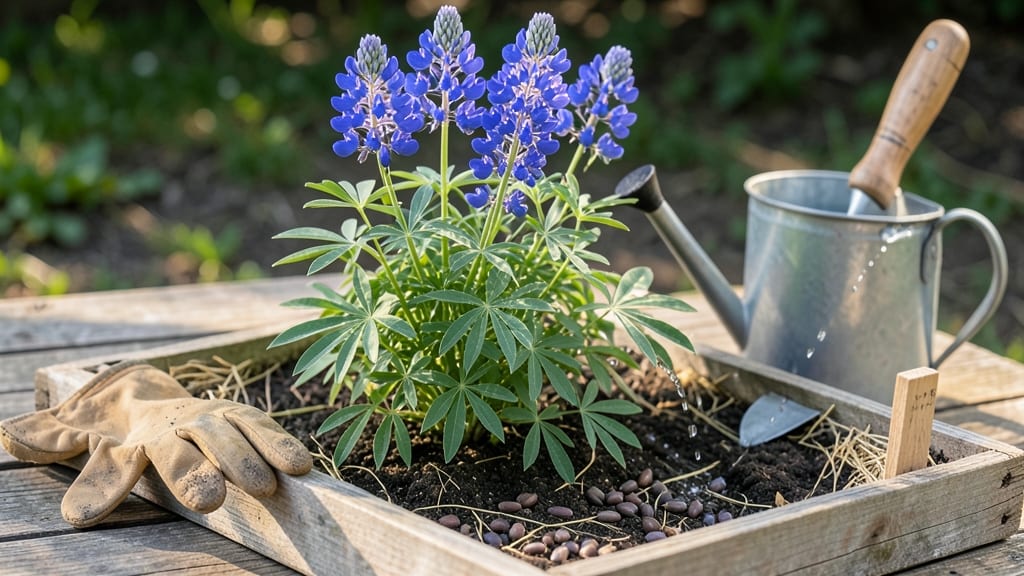
Planting bluebonnet seeds at the wrong time in Central Texas can mean waiting years for those iconic 💙 blooms—or never seeing them at all. The key to unlocking vibrant spring carpets of bluebonnets lies in understanding the 60-day cold stratification window that transforms dormant seeds into thriving plants.
If you've ever wondered why some gardeners get lush bluebonnet fields while others struggle, the answer starts with timing. Fall planting between late September and early November gives seeds the perfect chill period they need before winter dormancy.
This is your chance to beat the heat and set up next spring's showstopper display.
I'll walk you through the exact month-by-month window that works for Central Texas' USDA Zone 8a, including soil prep secrets and regional variations. Whether you're in North or South Central Texas, these strategies will help you avoid common mistakes that sabotage germination.
Get ready to transform your landscape into a bluebonnet paradise—without the guesswork. The secret to stunning spring blooms begins with what you do this fall, and I've got all the details to make it happen.
Optimal fall planting window for bluebonnets in Central Texas
Bluebonnets (Lupinus texensis) thrive in Central Texas because they rely on a 60-day cold stratification period to break dormancy. Planting too early or late disrupts this natural process, leading to poor germination.
The ideal window spans from late September to early November, aligning with the region’s USDA Zone 8a climate.
During this window, daytime temperatures hover between 70-80°F, while nighttime dips to 40-50°F—perfect for seed activation.
If you miss this window, your bluebonnets may not bloom as vigorously or could fail entirely. Northern Central Texas areas (like Austin) can plant slightly earlier, while southern regions (like San Antonio) should wait until mid-October.
| Stage | Action | Temperature Range |
|---|---|---|
| Late September | Scatter seeds on prepared soil | 65-75°F (day) / 50°F (night) |
| October | Cold stratification begins (40-50°F) | 50-60°F (day) / 35-45°F (night) |
| November | Seeds germinate after 60 days | 55-65°F (day) / 40-50°F (night) |
| December-January | Dormant growth; minimal care | 40-55°F (day) / 30-40°F (night) |
| February-March | Sprouts emerge; avoid disturbance | 60-75°F (day) / 45-55°F (night) |
| April-May | Blooms appear; enjoy full display! | 70-85°F (day) / 55-65°F (night) |
To pinpoint the best planting date for your specific location, track soil temperatures.
Use a soil thermometer to confirm the ground has cooled to 60°F or below—a key indicator that seeds are ready to activate. Early September plantings risk premature germination from residual summer heat, while December plantings may not complete stratification before winter dormancy.
I recommend marking your calendar for October 1st as the sweet spot for most of Central Texas. This date balances the need for 60 days of cold exposure with the first frost risk (typically December 1st in Zone 8a).
For high-elevation areas like Fredericksburg, you can plant as early as mid-September.
Watch for rainfall patterns too—bluebonnets need moisture to activate, but standing water can rot seeds. Aim for planting after a light rain or water gently afterward to settle seeds into soil. Avoid planting during prolonged drought or heavy downpours, which can wash seeds away.
Pro tip: Mulch lightly with straw or leaves after planting to retain moisture without suffocating seeds. This mimics the natural Texas prairie conditions bluebonnets evolved in. Just avoid thick mulch, which can smother emerging sprouts in spring.
If you’re unsure about your local frost dates, check the Texas A&M AgriLife Extension for region-specific frost maps. Their data helps adjust planting times for microclimates within Central Texas—critical for reliable blooms every spring. 💙
How to prepare soil and plant bluebonnet seeds for maximum success
Bluebonnets thrive when planted in well-draining sandy loam soil, which mimics their native Texas prairie habitat. Before you scatter those tiny seeds, focus on preparing your soil to create the perfect foundation for strong root development.
Central Texas soils often need amendments to improve drainage and fertility—especially if your yard has heavy clay.
Start by testing your soil’s pH level (ideal range: 6.0–7.5). Bluebonnets prefer slightly acidic to neutral soil, so you may need to add lime if your test shows alkalinity. Work in 2–3 inches of compost or well-rotted manure to boost organic matter, which helps retain moisture while preventing compaction.
Once your soil is prepped, clear the planting area of weeds and debris. Bluebonnet seeds are tiny—about the size of a pinhead—so aim for a barely visible seedbed.
Lightly rake the surface to create a fine, crumbly texture, but resist the urge to till deeply, as bluebonnets have shallow roots.
For optimal results, scatter seeds sparingly (about 1–2 seeds per square inch). Press them lightly into the soil with your hand or a board—no need to bury them. A thin layer of mulch (like straw) helps retain moisture during germination but avoid thick layers that can smother seeds.
After planting, water gently but thoroughly to settle the seeds into the soil. Aim for 0.5 inches of water, then reduce to light, infrequent watering once sprouts appear. Overwatering is a common pitfall—bluebonnets are drought-tolerant and prefer dry conditions after establishment.
Finally, mark your planting area to avoid disturbing it during winter. Bluebonnets need 60 days of cold stratification (temperatures between 40–50°F) to break dormancy, so patience is key. By spring, your effort will reward you with vibrant blue-purple blooms that define Central Texas landscapes.