
Plants
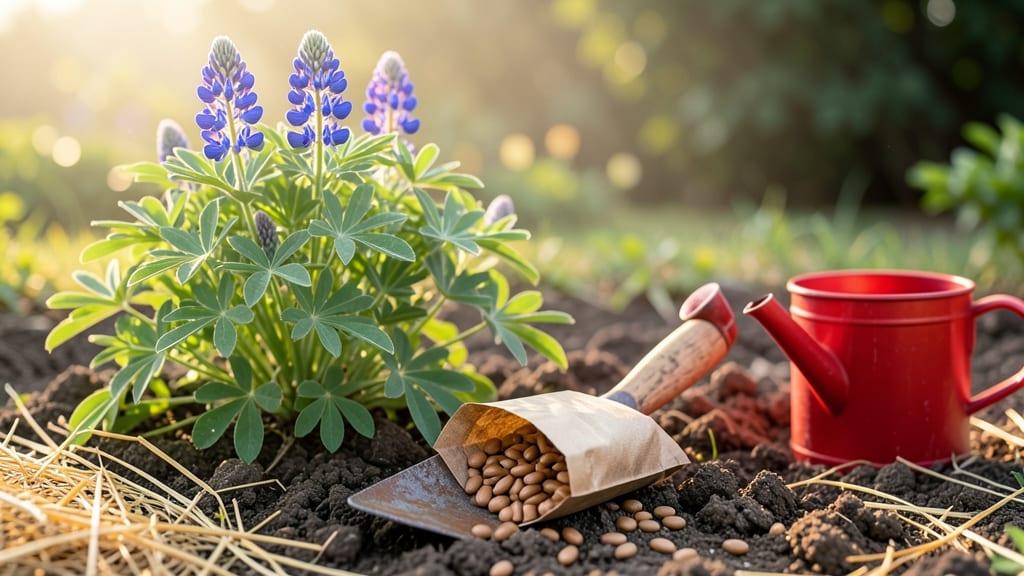
If you’ve ever dreamed of your South Texas landscape transformed by planting the right bluebonnet seeds at the perfect time, timing is everything—and getting it wrong could mean missed opportunities.
The perfect window for planting these iconic 🌸 seeds isn’t just about the calendar; it’s about understanding your local microclimate, soil conditions, and even frost patterns that can make or break germination.
Most gardeners in zones 9a-10a swear by fall planting (September-October), but why? Because bluebonnets need a cool-season kickstart to establish roots before summer’s heat arrives. Plant too early, and seeds may sprout prematurely; too late, and they’ll struggle to take hold before the first frost.
I’ll break down the exact steps to time your planting for maximum success—no guesswork involved.
What you’ll discover isn’t just when to plant, but how to prep your soil, choose the right seeds, and protect your investment from South Texas’ unpredictable weather.
Whether you’re a first-time gardener or a seasoned pro, these practical tips will help you avoid common pitfalls and ensure your bluebonnets thrive from seed to stunning spring display.
The key to show-stopping blooms starts now—let’s get your bluebonnets off to the best possible start.
Best planting months for bluebonnet seeds in South Texas climate zones
Timing is everything when planting bluebonnet seeds in South Texas, where USDA Zones 9a-10a create unique microclimates. The ideal window for fall planting is September through October, but exact timing depends on your region—whether you're in the Rio Grande Valley or the Hill Country.
This period ensures seeds germinate before winter dormancy and bloom spectacularly in spring.
South Texas's mild winters and hot summers mean bluebonnets need a cool-season start. Planting too early (like July) risks seeds sprouting before the first frost, while waiting until November may leave them vulnerable to freeze damage.
The key is to align with soil temperatures dropping below 80°F but before hard frosts hit around mid-December.
In the Rio Grande Valley (Zone 10a), where winters are warmer, you can extend planting into early November. Meanwhile, the Hill Country (Zone 8b-9a) demands earlier action—late September—to avoid unexpected cold snaps. Always check your local frost dates to fine-tune your schedule.
| Region | Best Planting Window | Soil Temp Threshold | Frost Risk |
|---|---|---|---|
| Rio Grande Valley (Zone 10a) | Late September - Early November | Below 80°F | Minimal (Dec-Feb) |
| Hill Country (Zone 8b-9a) | Late September - Mid-October | Below 75°F | Moderate (Nov-Jan) |
| Coastal Bend (Zone 9a) | Mid-September - Late October | Below 78°F | Light (Dec) |
🌱 Pro Tip: Use a soil thermometer to confirm temperatures before planting.
Spring planting is also possible in March or early April, but fall-planted seeds yield more robust blooms because they establish roots over winter. If you miss fall, don’t despair—just adjust for spring’s shorter growing season by planting earlier and ensuring consistent moisture during germination.
South Texas’s drought-prone soils mean bluebonnets thrive with minimal intervention, but timing matters most. Plant too late, and you’ll compete with winter weeds. Plant too early, and seeds may rot in warm soil. Aim for cool, damp soil—the perfect balance for germination.
Local nurseries often sell pre-mixed bluebonnet seed blends tailored to South Texas, but you can also collect seeds from existing plants in late spring. Store them in a cool, dry place until your ideal planting window arrives.
Just remember: patience pays off—bluebonnets may take 60-90 days to bloom after planting.
For gardeners in urban areas with microclimates (like shaded yards), push planting to the earlier side of the window to maximize sunlight exposure. Conversely, open prairie zones can handle slightly later plantings since they receive more sun year-round.
Always monitor weather forecasts in the weeks leading up to planting. A sudden cold front can delay germination, while prolonged dry spells may require temporary shade cloth to protect young seedlings. South Texas’s unpredictable weather means flexibility is key.
Once you’ve nailed the planting window, focus on minimal soil disturbance. Bluebonnets are native wildflowers that prefer loose, well-draining soil—just scatter seeds on the surface and lightly press them in. Overworking the soil can bury seeds too deeply, stunting growth.
With the right timing, your South Texas garden will burst into vibrant blue blooms by spring, turning heads and attracting pollinators. The secret? Plant in fall, let nature take its course, and prepare for a showstopping display that’s uniquely Texan. 🌸
Best planting months for bluebonnet seeds in South Texas climate zones
South Texas’s unique climate—hot summers, mild winters, and unpredictable frost—makes timing critical for bluebonnet success. The ideal planting window is late fall (September to October), when soil temperatures drop below 80°F but before first frost (typically mid-December).
This cool-season strategy ensures seeds germinate in winter and bloom by spring.
Spring planting (March to early April) is your backup option, but it requires constant moisture during germination—a challenge in South Texas’s dry winds. Microclimates matter: Hill Country areas (like Austin) have cooler winters, while the Rio Grande Valley stays warmer longer.
Adjust your timing 2-4 weeks later if you’re near the coast.
Here’s how South Texas’s USDA Zones 9a-10a influence planting:
Pro tip: Scatter seeds in September if your area hasn’t had rain—bluebonnets need moisture to germinate, but overwatering can rot seeds. Test soil moisture by squeezing a handful; if it crumbles, it’s ready. Native seeds (like Lupinus texensis) adapt better to South Texas’s alkaline soils than hybrid varieties.
Avoid planting after November 1 in most areas—seeds may not germinate before frost. If you miss fall, spring planting works but requires daily watering for 4–6 weeks. Mulch lightly (¼ inch) after planting to retain moisture without smothering seeds.
Remember: Bluebonnets are annuals, so fall planting is your only shot for spring blooms. Plan ahead—these seeds need 3–4 months to mature, and South Texas’s unpredictable rains can delay germination. Start with 1–2 pounds of seed per acre for a stunning display.
Once planted, resist the urge to disturb the soil—bluebonnets thrive with minimal intervention. Let nature do the work, and you’ll reward yourself with miles of blue by March. 🌸💧