
Plants
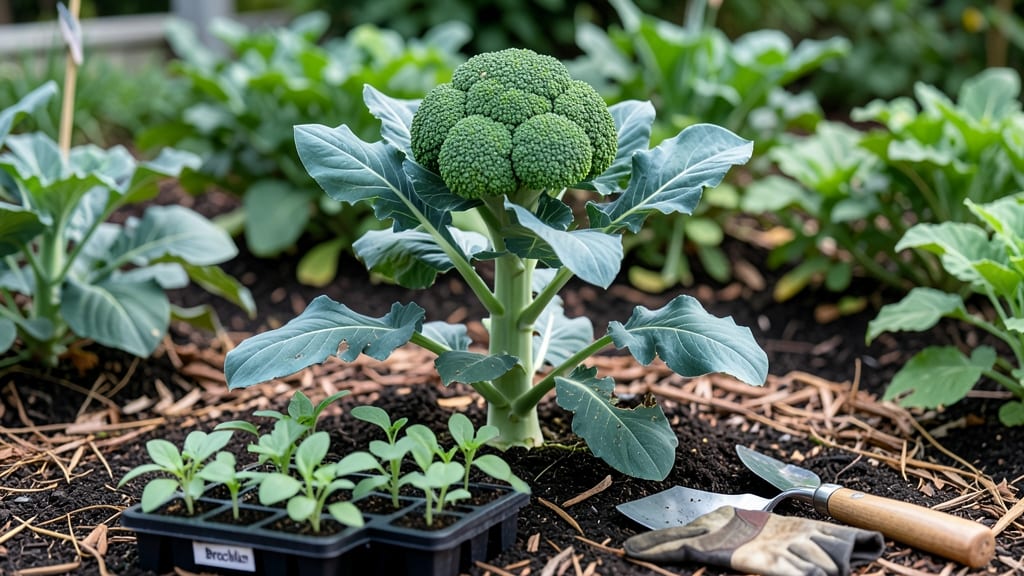
Timing your 🥦 broccoli planting in Minnesota isn’t just about throwing seeds in the dirt—it’s about outsmarting frost and maximizing your harvest before the first chill sets in.
With Zone 4B/5A’s short growing season, even a week off can mean the difference between a bountiful crop and a sad, wilted disappointment.
Most gardeners here make one of two mistakes: planting too early and losing seedlings to frost, or waiting too long and missing out on summer’s best harvest. The secret? A two-season strategy—spring and fall plantings—that lets you enjoy fresh broccoli from June through October without the guesswork.
I’ll break down the exact planting windows (April 15–May 15 for spring, July 1–August 1 for fall) and whether you should start seeds indoors or sow directly outside. Plus, I’ll share my top tips for extending your season with row covers and cold-hardy varieties—because in Minnesota, every extra week counts.
Ready to grow broccoli that thrives despite the weather? Let’s get your garden on the right schedule so you can enjoy homegrown greens all season long.
Minnesota broccoli planting calendar: exact dates for zones 4B/5A
Timing is everything when growing broccoli in Minnesota. With USDA Zones 4B/5A, you only get about 150 frost-free days, so planning your planting windows carefully is key to success.
Spring and fall are your best bets, but missing the last frost date (typically May 10) can mean lost crops. Let’s break down the exact timing for both seasons.
For spring broccoli, start seeds indoors 4-6 weeks before your last frost. This usually means early March to mid-April in most of Minnesota. Transplant seedlings outdoors 2-3 weeks before the last frost, around April 15-25.
If you’re direct-sowing outside, wait until soil temperatures reach 40°F+ and plant April 15-May 15 for a June-July harvest.
Fall planting is equally critical. To avoid early frost (usually mid-September), sow seeds July 1-August 1 for a September-October harvest. Use cold-hardy varieties like 'Waltham 29' to extend your season. Stagger your plantings every 2 weeks to ensure a continuous harvest before winter sets in.
📅 Minnesota Broccoli Planting Summary Table
| Season | Task | Timeframe | Notes |
|---|---|---|---|
| Spring | Start seeds indoors | Early March - Mid-April | Use grow lights for 12-14 hours/day |
| Spring | Transplant outdoors | April 15 - May 15 | Hardening off seedlings first |
| Spring | Direct-sow outdoors | April 15 - May 15 | Soil temp must be 40°F+ |
| Fall | Sow seeds outdoors | July 1 - August 1 | Stagger plantings every 2 weeks |
| Fall | Harvest window | September - October | Use row covers for frost protection |
Don’t overlook soil preparation—broccoli thrives in well-draining, slightly acidic soil (pH 6.0-7.0). Before planting, amend your soil with compost or aged manure to ensure it’s rich in nutrients.
A balanced fertilizer (10-10-10) at planting and again after 4 weeks will give your broccoli the boost it needs to grow strong and healthy.
If you’re unsure about your last frost date, check local weather reports or use the Almanac’s Frost Calculator for your specific Minnesota county. In northern Minnesota (Zone 4B), you may need to start seeds even earlier, while southern Minnesota (Zone 5A) has a slightly longer window.
Adjust your timing accordingly to maximize your harvest.
Pro tip: Keep a gardening journal to track your planting dates and success rates. Note which varieties performed best in your microclimate and when you experienced bolting (premature flowering). Over time, you’ll refine your planting schedule to perfection, ensuring a bountiful broccoli harvest every season.
Remember, consistency is key—whether you’re planting in spring or fall, stick to the recommended dates and give your broccoli the care it deserves. With the right timing and a little patience, you’ll be enjoying homegrown broccoli straight from your Minnesota garden in no time.
For extra protection, consider using row covers or cold frames to extend your growing season. These tools can add 2-4 weeks to your harvest window, giving you more time to enjoy fresh, homegrown broccoli before winter arrives.
How to extend your Minnesota broccoli harvest season
Minnesota’s unpredictable frost dates and short growing season can make broccoli harvests feel like a gamble—but they don’t have to be.
With the right season extension strategies, you can enjoy fresh broccoli from late spring through early fall, even in Zone 4B/5A. The key is staggered planting, cold-hardy varieties, and protective tools to shield your plants from late frosts.
Start by planting successive crops every 2-3 weeks from mid-April through early August. This ensures a continuous harvest window rather than a single, short burst. For example, plant one batch in late April for a June harvest, then follow with July plantings to harvest in September.
This simple tactic can double your yield without extra space.
For extra protection, use floating row covers or low tunnels to shield young plants from late spring frosts (which can hit as late as May 15 in some areas). These covers also extend the fall harvest by delaying the first frost. Just
Don’t overlook mulching as a simple but effective tool. A thick layer of straw or shredded leaves keeps soil warm longer in spring and insulates roots in fall. This extends the growing season by 1-2 weeks at both ends, giving your broccoli more time to mature. Pair mulch with drip irrigation to maintain consistent moisture—broccoli hates dry spells and will bolt faster in heat.
For a foolproof fall strategy, sow cold-hardy varieties like 'Belstar' or 'Packman' in early July. These varieties tolerate light frosts and can produce high-quality heads even when temperatures dip. Just be sure to harvest before hard frosts (below 25°F) to avoid damage.
With these techniques, you’ll turn Minnesota’s challenging climate into an advantage. Soon, you’ll be enjoying homegrown broccoli from June through October—no greenhouses or fancy setups required! 🌱