
Plants
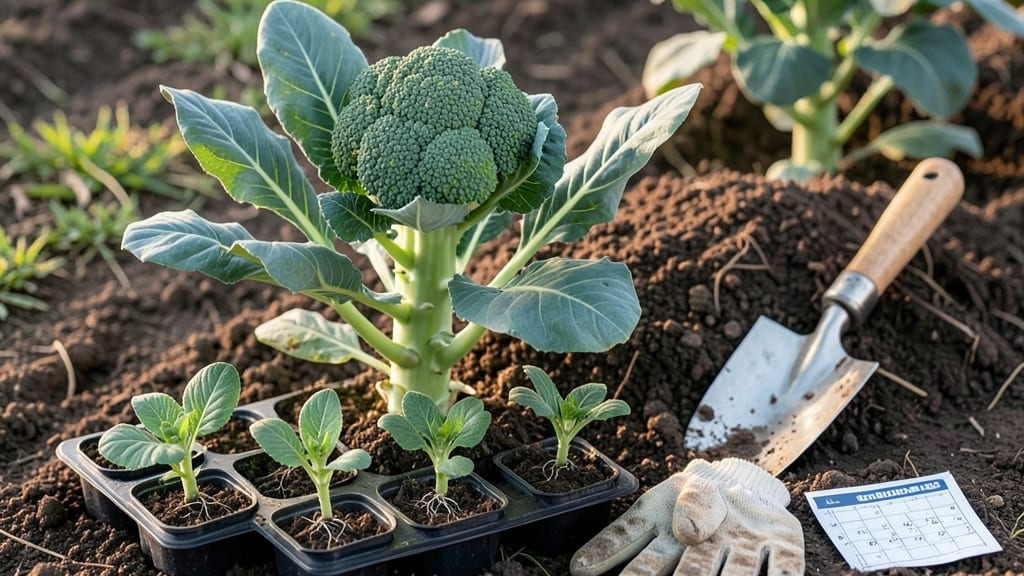
If you've ever stared at your calendar wondering "when to plant broccoli in North Texas", you're not alone—this question separates the thriving gardens from the bolted disappointments. 🥦 The key lies in those frost dates that can make or break your harvest, and getting them wrong means watching your hard work turn bitter before it even matures.
North Texas gardeners know timing is everything, especially for cool-season crops like broccoli. Plant too early in spring, and you risk frost damage; too late, and your plants bolt before you can enjoy a single head.
The secret? Understanding your USDA Zone 8a climate and working with nature's schedule rather than against it.
In this guide, I'll break down the exact windows you need to target—late August to early September for fall and February to early March for spring—plus how to adjust for those tricky microclimates that can push your harvest just a little further.
No more guessing games, just proven strategies for zero-waste planting.
Ready to transform your garden from "maybe next year" to "bountiful harvest"? Let's dive into the frost-date secrets that'll have you enjoying crisp, homegrown broccoli from November through June—without the heartbreak of bolting or frostbite.
North Texas broccoli planting calendar: frost dates and ideal windows
North Texas gardeners face a unique challenge: broccoli bolting from summer heat or frost damage from early cold snaps. The key to success lies in understanding your USDA Zone 8a frost dates and planting within the 4-6 week window before your first frost.
For most of North Texas, this means late August to early September for fall planting and February to early March for spring.
Your average first frost date falls around November 15, while the last frost date typically arrives by March 15. These dates create a 210-day frost-free growing season, perfect for broccoli's 60-80 day maturity window.
Planting too early in spring risks premature bolting from heat, while late fall plantings may not mature before frost. Timing is everything!
Here’s your North Texas broccoli planting timeline broken down by season, including frost dates, ideal planting windows, and harvest expectations:
| Season | Planting Window | Frost Risk | Days to Harvest | Harvest Months |
|---|---|---|---|---|
| Fall | Late August - Early September | Low (plant 4-6 weeks before frost) | 60-70 days | November - December |
| Spring | February - Early March | None (avoid bolting) | 70-80 days | May - June |
| Extended Fall | Mid-September (with cooling tricks) | Moderate (use shade cloth) | 50-60 days | October - November |
For fall plantings, aim to sow seeds 4-6 weeks before your first frost date (typically October 15). This ensures your broccoli matures before temperatures drop below 32°F.
Use row covers or cold frames to push your window later if needed. In spring, plant no earlier than February to avoid heat stress and bolting.
North Texas’ microclimates can shift frost dates by 1-2 weeks. Check your local Texas A&M AgriLife Extension for precise data—Dallas and Fort Worth may vary slightly from rural areas. For example, Dallas (Zone 8a) typically has a later first frost than Amarillo (Zone 7b), so adjust accordingly.
If you’re planting transplants instead of seeds, purchase 6-week-old seedlings from nurseries in late July for fall or early February for spring.
Harden off seedlings for 7-10 days before transplanting to reduce shock. Direct sowing is also effective—broccoli seeds germinate best in 55-85°F soil, so avoid planting when temps exceed 80°F.
Pro tip: Mark your calendar for September 1 (ideal fall start) and February 15 (spring start). Use frost-sensitive varieties like 'De Cicco' for fall, which tolerates cooler temps better than 'Calabrese', which bolts faster in heat.
Always water deeply the day before transplanting to reduce stress and improve survival rates.
Remember, broccoli thrives in cool weather—aim for 50-75°F days and 40-50°F nights. If summer heat lingers, opt for shade cloth or drip irrigation to keep soil moist and roots cool. With the right timing, you’ll enjoy crisp, flavorful heads straight from your North Texas garden.
How to extend broccoli season in North Texas: cooling hacks for late plantings
North Texas summers can push broccoli into early bolting, but with the right strategies, you can extend your harvest window by 4-6 weeks. The key is creating cooler microclimates that mimic fall conditions.
Start by adjusting your planting timing—sow late August for fall harvests, but if you miss that window, use these cooling techniques to delay bolting until mid-October.
First, invest in 30-50% shade cloth to block intense afternoon sun. Hang it 4-6 feet above plants to allow morning sunlight while filtering harsh rays. This simple trick can lower soil temperatures by 10-15°F, giving your broccoli more time to mature without bolting prematurely.
⚠️ Heat Stress Warning
Avoid these common mistakes when extending broccoli season:
- Overwatering at night – leads to fungal diseases
- Using black plastic mulch in summer – raises soil temps too high
- Planting too densely – reduces airflow and increases heat stress
Pro Tip:
Water deeply in the morning (1-2 inches) to keep roots cool without promoting fungal growth.
For even better results, pair your broccoli with tall sunflowers or corn as natural shade providers. These companions block western sunlight while allowing beneficial airflow.
Another trick is to plant broccoli near dwarf tomatoes or bush beans—their foliage creates a living shade canopy that keeps soil temperatures 5-10°F cooler than open ground.
Soil moisture plays a crucial role too. Maintain consistent moisture levels by mulching with 2-3 inches of straw or wood chips. This creates a cooler root zone while reducing evaporation.
Check soil moisture daily during heatwaves—broccoli roots need 1-1.5 inches of water weekly, but never let them dry out completely.
If you're pushing the limits in September plantings, consider using row covers during the hottest part of the day (12-4 PM). Lightweight fabric like Agribon-15 allows sunlight through while reducing heat stress.
Remove covers by evening to prevent overheating. This method can add 2-3 extra weeks of productive growth before your first frost.
Remember, even with these extensions, broccoli planted after mid-September in North Texas will likely bolt before producing quality heads. Use these techniques as a bridge to your fall planting window (late August) rather than a permanent solution. The goal is maximizing your harvest window, not defying the climate entirely.