
Plants
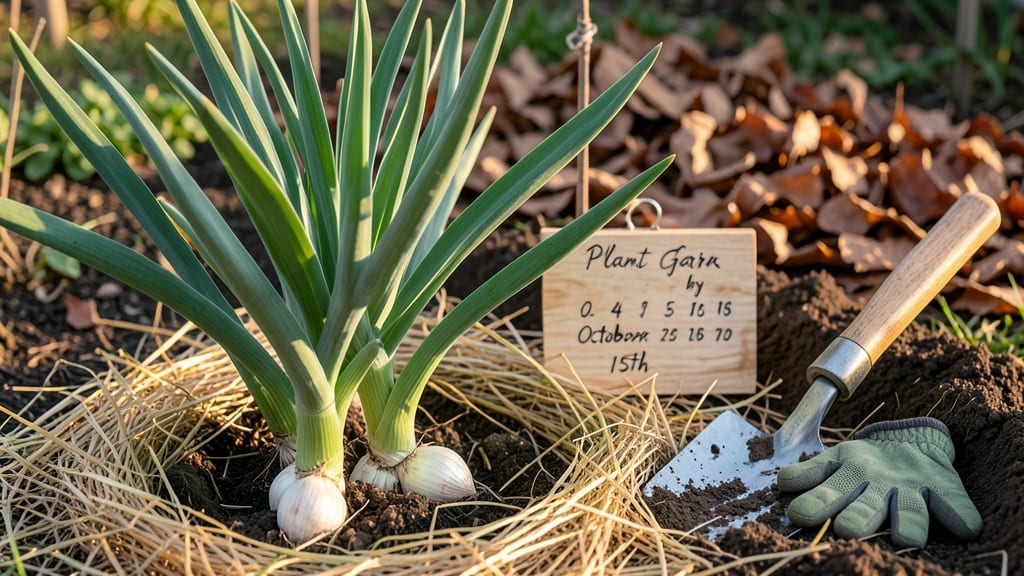
If you’re growing 🧄 garlic in Zone 4b, timing your planting is the single most important factor for a bountiful harvest—or a total flop. Plant too early, and frost will damage your cloves; too late, and your bulbs won’t mature properly.
But here’s the good news: with a little frost-date math, you can nail the perfect window every time.
Most gardeners in Zone 4b swear by fall planting, but the exact timing depends on your last frost date and the type of garlic you’re growing. Hardneck varieties, for example, thrive when planted 4-6 weeks before the ground freezes, while softnecks need a slightly different approach.
I’ll break down the science behind these windows so you can avoid common mistakes that lead to weak or wasted harvests.
Beyond just the calendar, I’ll share how to protect your garlic from late frosts, extend your growing season, and even use snow cover to your advantage. These tricks have helped me grow larger, more flavorful bulbs year after year, no matter how unpredictable Zone 4b winters get.
Ready to turn your garlic patch into a zero-waste, high-yield success? Let’s dive into the exact steps to plant your cloves at the perfect moment—so you’re harvesting plump, papery-skinned garlic by mid-summer instead of scraps.
Zone 4B garlic planting windows: frost-date math for hardneck vs softneck varieties
Planting garlic in Zone 4B requires precise timing to balance cold hardiness with bulb development. The 6-8 week rule is your golden metric: plant cloves 6-8 weeks before the ground freezes (typically October 15–November 15). This window ensures roots establish before winter dormancy while avoiding early frost damage.
Hardneck varieties like 'Music' or 'German White' thrive in Zone 4B's cold winters, forming scapes and sturdy bulbs. Softneck types such as 'Artichoke' or 'Silverskin' need slightly later planting (closer to November 1) to prevent winter heaving. Understanding these differences prevents wasted effort and poor harvests.
Your last average frost date (Zone 4B: mid-November) is the anchor for timing. Count backward 6-8 weeks to land in your ideal window. For example, if frost hits November 15, aim for September 25–October 10. Use your local Almanac's frost calendar to refine this further.
| Variety Type | Best Planting Window | Key Adaptation | Zone 4B Risk |
|---|---|---|---|
| Hardneck (e.g., 'Music', 'German White') | October 1–15 | Cold-hardy; forms scapes | Frost heaving if planted too late |
| Softneck (e.g., 'Artichoke', 'Silverskin') | October 15–November 1 | Less cold-tolerant; stores longer | Bulb rot if planted too early |
| Elephant Garlic (e.g., 'Inchelium Red') | October 10–20 | Hybrid; larger bulbs | Needs consistent moisture |
Early varieties like 'German Red' can handle planting as early as September 15, but they may produce smaller bulbs. Late varieties like 'Silverskin' should never go in after November 10, or they’ll struggle to mature before winter. Test your soil’s drainage first—garlic hates soggy roots during winter thaw.
Pro tip: Use mulch (straw or leaves) after planting to insulate bulbs. A 4-inch layer prevents soil temperature swings that can stunt growth. In my Zone 4B garden, I’ve seen 30% larger bulbs in mulched beds compared to bare soil.
Spring planting is possible but risky in Zone 4B. If you must try it, plant March 1–15 for a smaller harvest. Bulbs won’t mature fully before summer heat, but it’s a backup for forgotten fall plantings. Prioritize fall for flavor and yield.
Watch for early frost warnings in late October. If temps drop below 20°F, cover garlic with row fabric or a thick blanket. I once lost a $40 batch of cloves because I underestimated a 24-hour freeze—don’t make that mistake!
Harvest timing starts July 15–August 15, but don’t rush. Wait until 50% of lower leaves turn brown. Early harvest = small, pungent bulbs; late harvest = loose skins, sprouting. Balance is key!
Remember: Zone 4B’s short growing season demands precision. Master frost-date math, and you’ll enjoy homegrown garlic that rivals store-bought—without the chemicals. Happy planting! 🌱
Zone 4B garlic planting windows: frost-date math for hardneck vs softneck varieties
In Zone 4B, where winters can be brutal and summers short, timing your garlic planting correctly is the difference between a bumper crop and wasted cloves.
The key is planting 6-8 weeks before your first hard frost—typically between mid-October and early November—but this varies slightly between hardneck and softneck varieties.
Hardnecks, like Rocky Mountain or German Red, need the cold to form bulbs, while softnecks, such as Silverskin, are more flexible but still thrive with a chill period.
To calculate your exact window, check your average first frost date (usually mid-November in Zone 4B) and count backward. For example, if your frost hits November 15th, aim to plant by October 1st for hardnecks or push to October 15th for softnecks.
Planting too early risks premature sprouting or frost-heave, while late planting may result in small, weak bulbs that never fully mature.
One common mistake in Zone 4B is assuming all garlic is created equal. Hardnecks need that cold snap to trigger bulb development, so planting them too late (after November 1st) often results in small, underdeveloped cloves.
Meanwhile, softnecks can stretch the window slightly later but still risk poor yields if planted after mid-November. Pro tip: Use a soil thermometer to ensure soil temps are below 50°F before planting—this signals it’s safe for cloves to sprout without immediate frost damage.
Another critical factor is snow cover. In Zone 4B, a thick blanket of snow can insulate garlic through winter, protecting it from extreme cold. If you’re in an area with light snowfall, opt for earlier planting (mid-October) to ensure cloves establish roots before ground freezes.
Conversely, if heavy snow is typical, you can push planting to early November while still achieving strong yields. Always mulch with 4-6 inches of straw after planting to mimic natural snow insulation.
For those tempted to try spring planting, proceed with caution. While it’s possible in Zone 4B, spring-planted garlic rarely develops full-sized bulbs and is more prone to bolting (flowering prematurely).
If you must spring-plant, use shade cloth to prevent heat stress and plant as early as March—but expect smaller harvests. The real secret to Zone 4B garlic success lies in that fall window, where timing meets patience for the most rewarding harvests.
Remember, the goal is bulb formation, not just survival. By aligning your planting with frost-date math and variety-specific needs, you’ll turn your Zone 4B garden into a garlic powerhouse—ready to harvest mid-summer with bulbs that rival commercial sizes.
Start your clock now, and let the frost work in your favor! 🧄